A new online database now offers access to nearly four million names of enslaved people from former British colonies, aiding descendants in their genealogical searches.
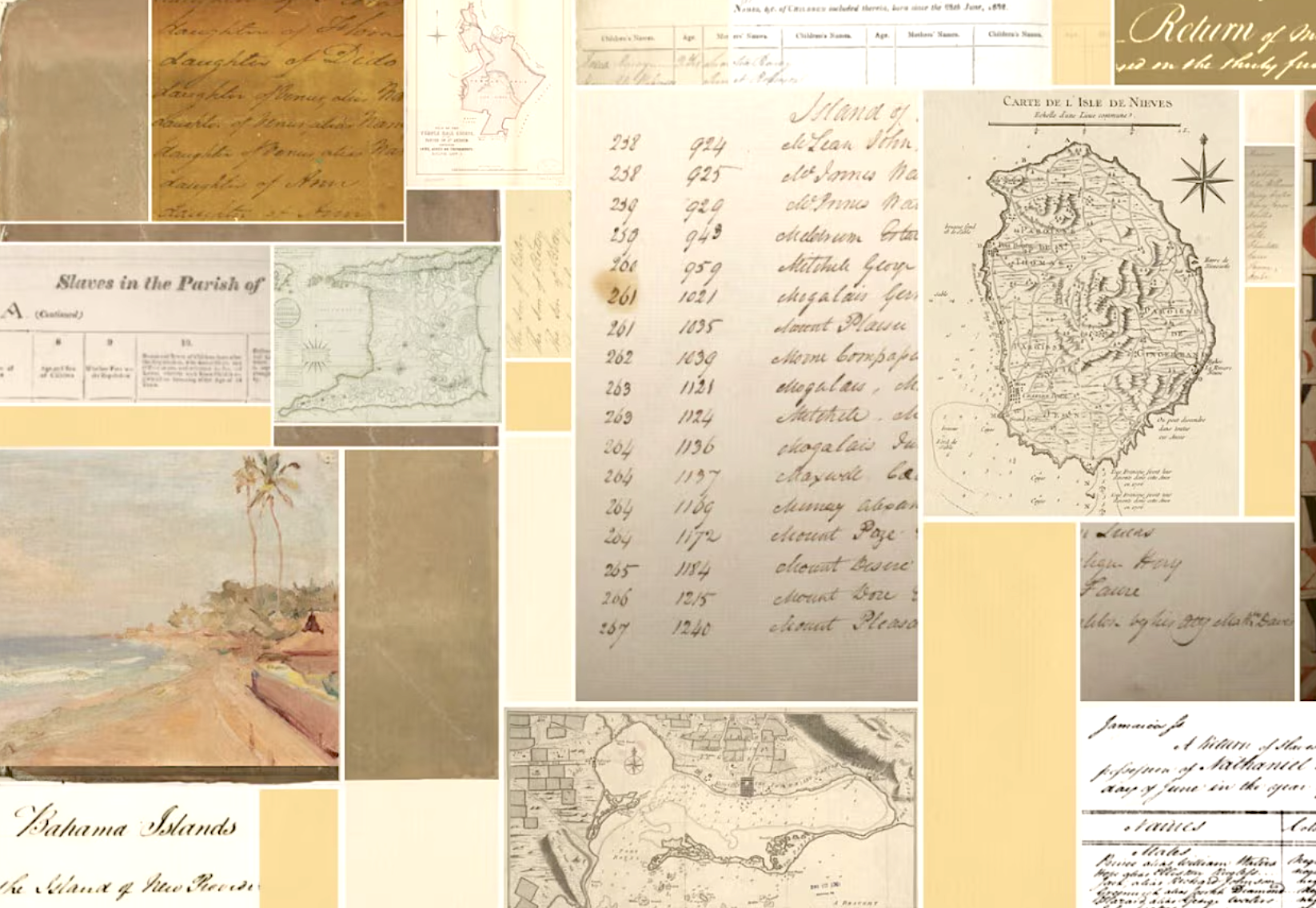
Recent advancements in genealogical research have unveiled a significant resource for individuals tracing their ancestry. The partnership between Ancestry and the Centre for the Study of the Legacies of British Slavery at University College London has launched the Former British Colonies Enslavement Registers, a monumental collection that contains records of nearly four million enslaved individuals documented between 1813 and 1840. These records originate from diverse countries including the Bahamas, Jamaica, and South Africa, representing a significant step in acknowledging and understanding the consequences of colonial slavery.
Historical Context of the Database
These records were originally compiled by the British government in the early 19th century as part of the campaign to abolish the transatlantic slave trade. This approach is reminiscent of the work undertaken by the U.S. Freedmen’s Bureau after the Civil War, which sought to support newly freed individuals but operated under a different set of socio-political circumstances. The archives include vital details such as names, ages, maternal connections, physical descriptions, and occasionally even specifics about their places of origin in Africa. What’s significant here isn’t just the data but its role in serving as both a genealogical tool and a historical archive that illustrates the enduring legacies of slavery.
This database serves as a form of reckoning with the past, providing modern descendants a pathway to learn about their roots and identities. Its historical importance cannot be understated given that such records were often lost or neglected in the transition from slavery to freedom. For many, this information is not merely data; it's a lifeline to a complicated history.
Searching the Enslavement Registers
In an informative video, genealogist and Ancestry Senior Story Producer Nicka Sewell-Smith outlines the features of these registers. Interested individuals can cross-reference records based on elements like name, approximate date, or geographical location, which allows for a more tailored search into potential ancestral connections. This interface is designed to make information accessible, expanding the reach of genealogy beyond just the descendants living in former British colonies to include those spread across the globe—particularly in significant communities found in Latin America and the United States.
This expanding accessibility is critical. Many people feel disconnected from their heritage due to the historical complexities and social injustices surrounding colonization and slavery. The value of being able to search through these records can foster a sense of belonging and identity that many seek. This platform potentially alters the genealogical search process as it allows users from varied backgrounds to engage with their heritage in a context that is often fraught with pain yet rich in history.
The Global Implications of Genealogy
The emergence of this database marks a notable step in reconnecting modern descendants with their roots. While the enslaved individuals documented in these records lived in a vastly different context, understanding their lineage is important for many today. With over two centuries separating current generations from their ancestors, reconstructing family histories can often feel like a daunting task. It's layered with emotional complexities, as many descendants find themselves grappling not just with lineage but with the historical narratives that shaped their ancestors' lives.
As individuals navigate the challenges of their heritage, the Former British Colonies Enslavement Registers provide a vital starting point. Access to this significant body of historical data enables descendants to piece together stories that have long been obscured, paving the way for a deeper understanding of familial connections and cultural legacies. Such discoveries aren't just academic; they're personal, often leading to an emotional reckoning with the past. What this means for you, if you're working in this space, is that these resources can aid in bridging gaps in family histories created by historical trauma.
Implications and Future Outlook
While this advancement holds great significance, it also raises questions about how these connections might impact broader discussions around reparations and historical accountability. The data preserved can fuel essential conversations about race, identity, and legacy. Understanding one's lineage can be empowering, yet it can also evoke a sense of responsibility regarding the legacies individuals inherit.
This newfound access lays the groundwork for societal conversation. If we consider the potential for community engagement, each person's journey through these records can serve not only as a personal exploration but also as a collective dialogue about history, identity, and our shared future.
And yet, as modern descendants explore these records, there’s an underlying challenge: how to honor the complexity of these histories without reducing them to mere genealogical trivia. The implications here are substantial; as society grapples with its colonial past, databases like these can serve as tools for education and reflection.
To begin your search, visit the database here.
Related content:
- The Atlantic Slave Trade Visualized in Two Minutes: 10 Million Lives, 20,000 Voyages, Over 315 Years
- The Names of 1.8 Million Emancipated Slaves Are Now Searchable in the World’s Largest Genealogical Database
- 1.5 Million Slavery Era Documents Will Be Digitized
- Visualizing Slavery: The Map Abraham Lincoln Studied
- Listen to Voices of Americans Born in Slavery
Based in Seoul, Colin writes and broadcasts on cities, language, and culture. He’s the author of the newsletter Books on Cities and other works. Follow him on social media at @colinm.

Discussion
Sign in to join the discussion.