Explore the rich history of the Bialetti Moka Express and learn essential tips for brewing the perfect coffee with this iconic stovetop maker.
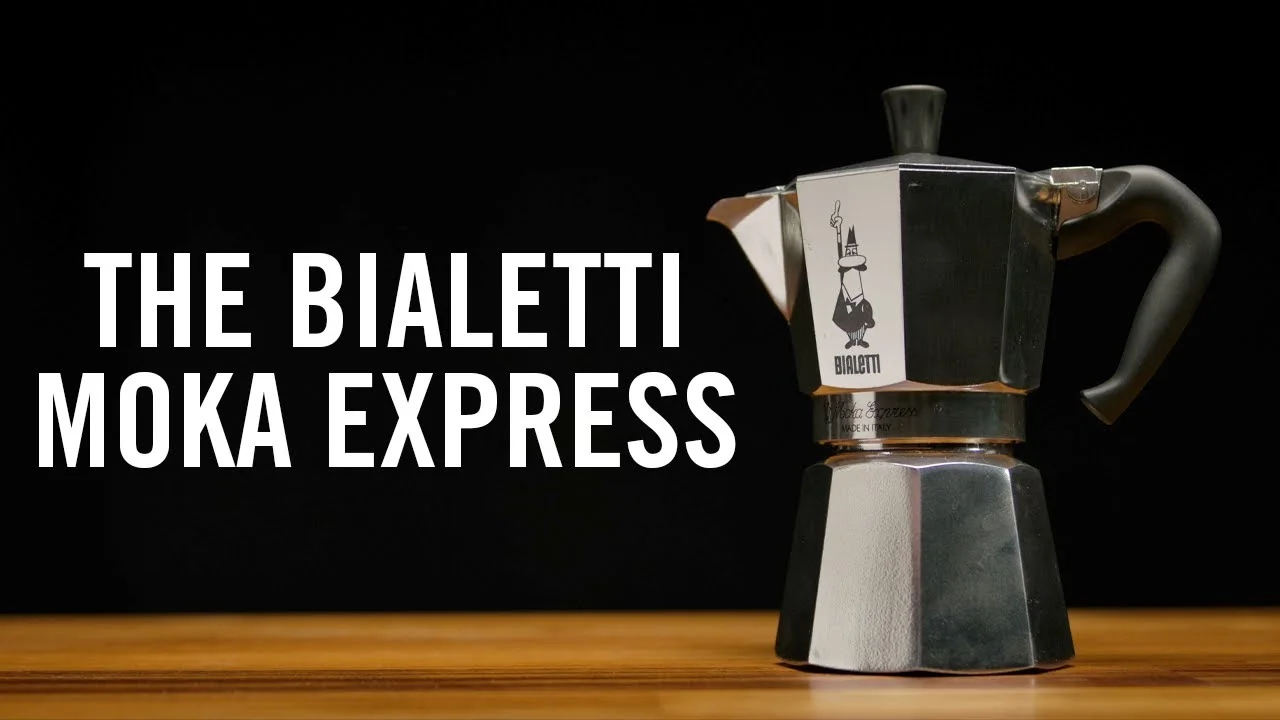
The Bialetti Moka Express has become a staple in many kitchens around the world, yet its origins and optimal brewing techniques often remain overlooked. Coffee connoisseur James Hoffmann uncovers the history and intricacies of this beloved coffee maker in an insightful video.
Origins of the Moka Express
The Bialetti story dates back to 1919 when Alfonso Bialetti began as an aluminum manufacturer. At that time, Italy was on the cusp of modernizing its coffee-making methods. It wasn't until around 1933 that the Moka Express was conceived by designer Luigi de Ponti, who was influenced by Bialetti's wife’s antique washing machine. The contraption took advantage of heat to create steam that ultimately brewed coffee, shifting the paradigm of home brewing methods.
Before the Moka Express, coffee consumers primarily relied on laborious methods that lacked consistency. The Moka Express distinguished itself from earlier coffee makers by being an all-in-one solution that directly sat on the stovetop. This simple yet effective design allowed users to enjoy a freshly brewed pot of coffee at home, eliminating the need for extensive apparatus or elaborate techniques. Users could look forward to the familiar sound of a gurgle to know their coffee was ready, an auditory cue that has become synonymous with coffee enjoyment in countless households.
The Legacy of Bialetti
After World War II, Alfonso’s son Renato took the helm. His leadership saw the Moka Express evolve into an iconic brand on an international scale. He understood the importance of not just the product but the story surrounding it. Renato famously collaborated with cartoonist Paul Campani to develop “l’omino coi baffi”—a mustachioed mascot featured on all Moka Express products. This character wasn’t just branding; it became an emblem of Italian pride for those living abroad, capturing a sense of nostalgia and connection to their homeland.
Renato’s deep connection to the product was evident even in his passing—his ashes were laid to rest in a Moka pot, underscoring the profound significance of the device. This act tells you everything about how intertwined the product was with the identity of its founder and the culture it represents. Over time, Bialetti has faced fierce competition in the coffee market, yet it remains a familiar name. Today, it retains its place in the hearts of coffee enthusiasts who cherish both its history and the quality of the brew.
Perfecting Your Brew
Hoffmann shares essential techniques for creating the best coffee with the Moka Express. Common mistakes include starting with cold water, overpacking the coffee grounds, selecting too fine a grind, and neglecting to cool the base after brewing. Each of these errors compromises the flavor and quality of the coffee, often resulting in a bitter or weak final product. Moka coffee sits somewhere between espresso and pour-over coffee, making it unique. This hybrid nature makes it adaptable, but also means it can frustrate users who don't fully grasp the nuances of brewing with this method.
With these tips in mind, brewing a perfect cup might just be a matter of fine-tuning your method. Whether you’re a newcomer or a longstanding user of the Moka Express, each brewing session can be a delightful experience in discovery. Consider the ideal water temperature, grind size, and even the specific coffee bean used. Who knows, perhaps you’ve been crafting your Bialetti brew the right way all along! (and this is the part most people overlook) These subtleties can transform your daily routine into a moment of craftsmanship and appreciation.
As the popularity of various coffee brewing methods continues to rise, the Moka Express holds a special place in coffee culture. It offers a delightful cup of coffee that connects users with its rich heritage, allowing for an ongoing conversation about tradition versus modernity. But will it continue to thrive amid a growing array of espresso machines and single-serve coffee makers? That’s a question worth pondering.
Implications and Future Outlook
The stronghold of the Moka Express in the coffee industry speaks volumes about consumer behavior. Many people are moving toward convenience, as seen with the rise in single-serve and automated brewing systems. Yet, there's a counter-movement toward simplicity and craftsmanship. The Moka Express embodies this very idea—it's not merely a coffee maker but a piece of history, a conversation starter, and a nostalgic return to simpler pleasures.
If you're working in this space, it’s clear that Bialetti’s ability to maintain relevancy—through storytelling and community engagement—could be a blueprint for other brands. What this means for you is that the Moka Express isn't just surviving; it's thriving by appealing to both new coffee drinkers and seasoned aficionados who appreciate its rich legacy. The future could see a revival of interest in manual brewing techniques as consumers seek authenticity and connection within their coffee experiences.
Related Resources:
Life and Death of an Espresso Shot in Super Slow Motion
How to Make the World’s Smallest Cup of Coffee, from Just One Coffee Bean
The Birth of Espresso: How the Coffee Shots That Fuel Our Modern Life Were Invented
Philosophers Drinking Coffee: The Excessive Habits of Kant, Voltaire & Kierkegaard



Discussion
Sign in to join the discussion.