Understanding oneself is essential for autonomy in today's technology-driven world, especially for educational outcomes.
As we navigate an increasingly digital future, it becomes evident that self-awareness is not just a philosophical ideal; it's a necessary skill. Writings from various thinkers emphasize this urgency, reminding us that in a landscape dominated by algorithms, understanding our true selves is vital.
Christian Talbot from Basecamp recently penned a piece discussing how our self-identity is increasingly manipulated by technology and marketing. He references Yuval Noah Harari's book, 21 Lessons for the 21st Century, suggesting that knowing oneself is more critical now than it has ever been. Harari argues that today's marketing giants aren’t merely selling products; they’re attempting to decode our very identities:
“To succeed at such a daunting task, you will need to work very hard at getting to know your operating system better—to know what you are and what you want from life... Now you have serious competition. Coca-Cola, Amazon, Baidu, and the government are all racing to hack you.”
He starkly illustrates a future where algorithms could understand us better than we know ourselves, placing our autonomy at risk. This notion not only hints at a troubling future but also calls for a proactive approach to reinforce our self-identity.
 Fostering Human Agency in a Digital Era
This concern resonates with the insights of Douglas Rushkoff, a thinker who has long explored the implications of digital technology on human behavior. In a recent interview, he stressed the importance of promoting awareness among users regarding the digital tools they engage with. It's essential to recognize that these platforms are designed by individuals and companies with their agendas:
“If people understand what the technologies they’re using are for, then they’ll be less likely to be used by them.”
Rushkoff argues for conscious engagement with technology, which asks users to consider what’s really taking place—not merely enjoying the surface-level interactions offered by platforms like Facebook, which primarily exist to mine consumer data. The digital environment isn't neutral; it influences behavior and, perhaps more importantly, can strip people of their agency if they're not vigilant.
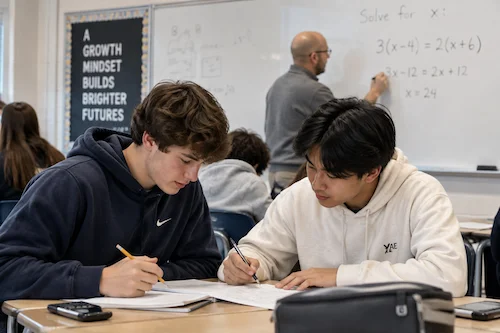
This brings us to a pivotal issue: the extent to which educational systems prepare students for such a reality. Are we, as educators, fostering an environment that encourages self-discovery? Or are we inadvertently cultivating a generation more susceptible to manipulation?
Empowering Future Generations
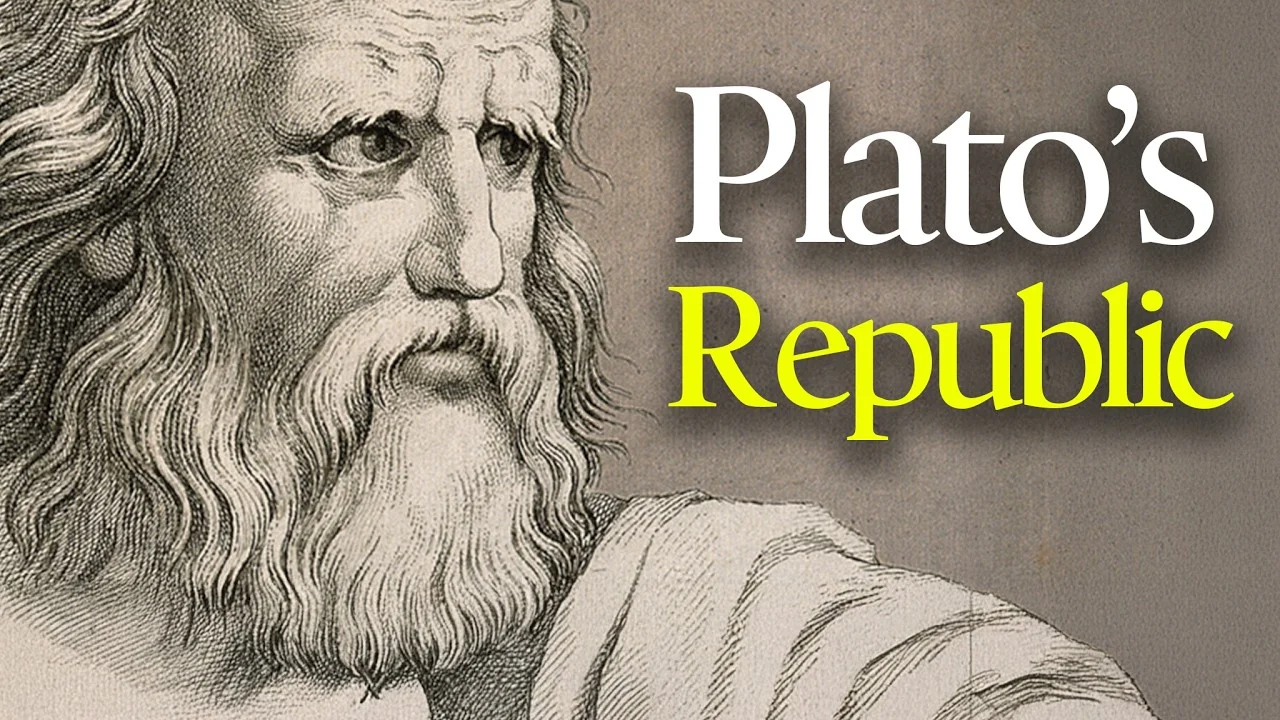
In any discussion about education and personal growth, the concept of “knowing thyself” resurfaces as a timeless principle. Yet, educators must confront the limitations of traditional schooling regarding self-exploration. As John Holt eloquently argued, schools may inhibit our innate capacity for self-direction:
“Next to the right to life itself, the most fundamental of all human rights is the right to control our own minds and thoughts.”
According to Holt, formal education can limit a child's autonomy, creating an environment that discourages independent thought and critical decision-making. This concern remains relevant today, as many educational practices still focus on compliance rather than creativity or self-determination.
Adapting our educational frameworks to prioritize nurturing the individuality and decision-making capacities of students is essential. If we truly aim for children to engage with the complexities of modern life, we need to refocus our teaching methodologies. Allowing students the agency to steer their learning experiences is vital in fostering their identities.
The question remains: should standards and curricula dictate what students learn, or should we enable students to shape the educational experience themselves? The insights from Harari and Rushkoff compel us to emphasize awareness, choice, and human agency within classrooms, suggesting that thriving in an algorithm-driven world hinges on knowing who we are and how we relate to the technology at our fingertips.
As we move forward, prioritizing self-knowledge in educational discourses will be critical. Encouraging students to navigate their identities and understand the world through meaningful choices will foster a generation that is not just reactive but proactive. They could emerge as individuals who are not easily shaped by external influences but instead are confident in their autonomy and values.

Discussion
Sign in to join the discussion.