A look at ambitious Roman infrastructure projects that faltered, offering insights into the challenges of modern American infrastructure development.
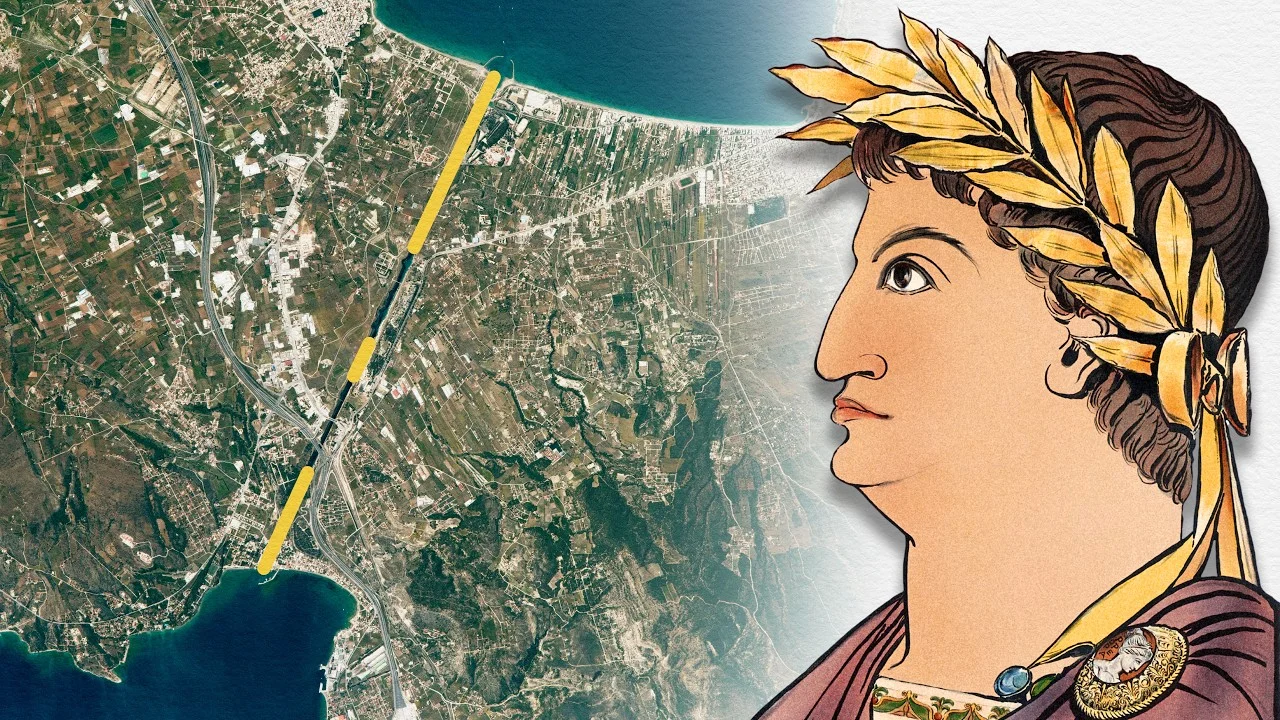
The United States, often praised as a formidable global force, faces notable challenges in advancing its infrastructure projects compared to its historical counterparts like ancient Rome. Amid ongoing debates about America’s infrastructural decline, YouTuber Garrett Ryan highlights several significant Roman undertakings that, despite their grandeur, remained unfinished. This comparison sheds light on the complexities and hurdles that have plagued monumental infrastructure projects across time.
The Tiber River's Historic Flooding
The Tiber River, once a turbulent waterway notorious for its seasonal flooding, presented significant challenges to ancient Romans. Historical accounts, such as those by Senator Cassius Dio, narrate devastating floods, including a catastrophic event in 54 BC that resulted in the collapse of entire neighborhoods. This event didn't just disrupt daily life; it highlighted the limitations of Roman engineering in the face of natural forces.
In response to these events, Julius Caesar proposed a daring plan to reroute the river, either around the city or through a tunnel beneath it. The ambition of this project underscored not only the engineering prowess of the time but also the political will necessary for such undertakings. Unfortunately, political turmoil cut these plans short, a reminder that infrastructure is as much about social stability as it is about brick and mortar. Subsequent emperors like Augustus chose to dredge the river to manage its flow, while Tiberius aimed to divert its tributaries. (And this is the part most people overlook.) The choice to prioritize simpler, less ambitious solutions often stemmed from a failure to grasp the long-term implications of their actions. It wasn't until the 19th century that modern embankments finally stabilized the notoriously unpredictable river, revealing the irony that centuries later, engineering solutions would emerge that ancient Romans could only dream of.
Canal Dreams of the Romans
In their quest for improved maritime trade routes, Roman leaders contemplated a canal through the Isthmus of Corinth to avoid the perilous Peloponnese passage. This idea wasn't merely about convenience; it represented a vision for enhancing trade and controlling the flow of goods across critical maritime routes. Though Julius Caesar and Caligula recognized the need, it was Nero, known for his ambitious projects, who first initiated the canal's construction. The scope of this project represented Roman ingenuity and ambition but also revealed a trend: visionary plans executed without sufficient foresight often ended in disappointment. Progress was made, but his assassination halted the work, leaving the canal's vision unrealized.
The canal's legacy became one of unfulfilled dreams, serving as a cautionary tale for future leaders about the risks of hubris in legendary projects. The moment illustrates a broader issue; even the mightiest empires struggle with the realities of large-scale infrastructure projects. Ultimately, the canal would not be realized until the 19th century, showcasing a bizarre intersection of ambition and historical timeliness. This narrative teaches a vital lesson about the cyclical nature of ambitious infrastructure endeavors: they often languish not due to a lack of need, but rather interruptions in political stability and commitment.
The Ghost City of Germania
In the year 4 BC, Romans established a settlement intended to serve as a capital for Germania near present-day Waldgirmes. This site was laid out with a grid pattern, complete with a forum and an aqueduct, showcasing the Romans' commitment to urban planning even in distant territories. However, the city quickly fell to ruin following the catastrophic Battle of the Teutoburg Forest merely a decade after its founding. This battle had grave implications for Roman expansion, marking a moment when ambitions met harsh realities.
Evidence of its past grandeur includes remnants like a gilded statue of Augustus on horseback, discarded centuries later, symbolizing the transient nature of empires. Ryan suggests that such lost grandeur serves as a somber reminder to contemporary leaders considering lofty self-representations. This city, once envisioned as a hallmark of civilization, became a ghostly testament to ambition unfulfilled, emphasizing the importance of sustainable planning that considers not only present glory but future contingencies.
Lessons from Roman Infrastructure Endeavors
These tales from Roman history shed light on the complexities surrounding monumental infrastructure projects. As modern society grapples with similar ambitions, the lessons from these ancient megaprojects remain pertinent. They underscore the challenges inherent in balancing vision with practicality and the weight of historical lesson—the echoes of ambition persist as both inspiration and warning. Here's the thing: the power of infrastructure isn't just in its structure, but in its sustainability and adaptability over time.
Implications for Modern Infrastructure
If you're working in this space, consider the implications of historical projects on today's infrastructure debates. The challenges faced by ancient Romans reverberate in contemporary discussions about the degradation of American infrastructure. As the U.S. grapples with aging roads, crumbling bridges, and outdated public transport systems, the stark lessons from Roman history become increasingly relevant. Modern leaders must recognize that grand visions require grounded execution. Bluster without the ability to follow through leads to disappointment, as evidenced by the unfinished Roman projects. Success today necessitates not only vision but also a commitment to political stability and fiscal responsibility.
The persistent struggles in American infrastructure reflect a need for both historical awareness and forward-thinking strategies. Modern leadership must ask: What do we want our legacy to be? The stories from Rome remind us that infrastructure isn’t just about physical constructs; it's about the communities they serve and the stability they can provide in an unpredictable world. As we shape the future, let’s remember these historical lessons. High ambitions can lead to remarkable achievements, but they must be tempered with pragmatism to endure.
Related Insights:
Ten Lost Roman Wonders: Unraveling Ancient Engineering Feats
The Genius Engineering of Roman Aqueducts
How Romans Constructed Their Enduring Roads
Advanced Technologies of Ancient Rome
A Deep Dive into the Roman Colosseum's Engineering
The Durability of Roman Concrete: A Historical Mystery Unveiled
Colin Marshall specializes in discussions about cities, culture, and history, also authoring the newsletter Books on Cities.



Discussion
Sign in to join the discussion.