Explore the distinctive Soviet illustrations of J.R.R. Tolkien's The Hobbit, showcasing a charming and unorthodox visual interpretation.
The Impact of Translation on Literary Experience
J.R.R. Tolkien's The Hobbit left a deep imprint on my early reading, particularly when I encountered it through a Russian lens. This isn't just a personal anecdote; it highlights how translation can transform a literary work. Unlike the original English version, my experience was shaped by a translation that resonated with the essence of Tolkien's story. Growing up in Russia, I found Tolkien's world starkly different from the fairy tales that populated my childhood. In those tales, adventure was often tempered with a sense of guardianship. Here, however, there were epic quests devoid of the sweet innocence of typical fairy tales, emphasizing the themes of courage and trial. This shift creates a bridge between cultures, revealing the universal appeal of Tolkien's narrative, while also showcasing how language can add layers to a story.
Illustrations and Their Cultural Significance
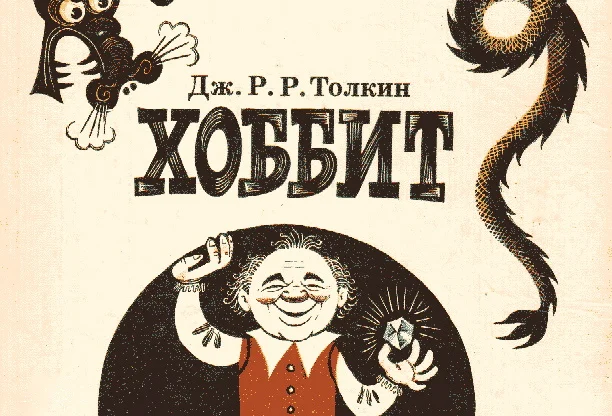
Many Russian publications during the Cold War provided unique illustrations for Western texts, which often reflected the artistic sensibilities of the time. My edition of The Hobbit unfortunately lacked illustrations, which I lamented at the time. In the absence of visual storytelling, the words had to carry the entire weight of the narrative. However, a friend's copy featured illustrations that diverged significantly from Tolkien’s own artistic style. These images were more angular and whimsical, offering a friendlier, nearly cartoon-like portrayal of characters. It’s fascinating how illustrations can shape a reader’s perception, often providing cultural commentary. The art interpreted characters and situations through a local lens, possibly making them more relatable to Russian children. Below, you've got several notable illustrations from the 1976 Russian printing.
Notable Illustrative Moments from the 1976 Russian Edition
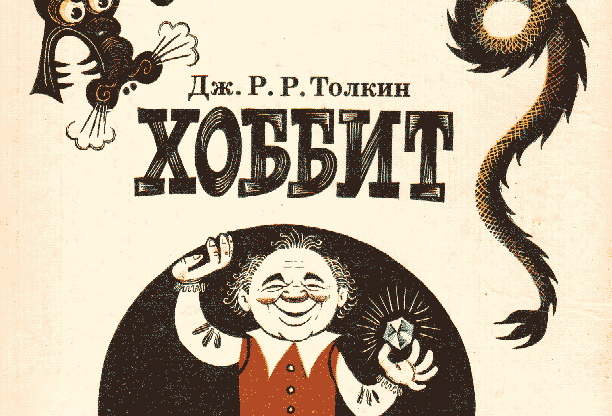
The cover shows a jovial Bilbo Baggins clutching a gem, a snapshot that portrays him not as merely the reluctant hero but as one who’s reveling in his newfound fortune. This framing might resonate differently with Russian readers, as stories often emphasize the moral and emotional journeys over mere material gains. Another piece depicts Gandalf, who appears deceptively harmless as he visits Bilbo; in it, you can almost sense the tension brewing underneath the lighthearted facade. Gandalf often embodies wisdom, but here he seems to playfully lure Bilbo into the adventure that awaits. It raises questions: How does a culture perceive wisdom and authority? The illustration touches on these ideas subtly.
The illustration featuring the three trolls in debate over their meal choices captures a humorous moment, with Bilbo cleverly hidden in the background. It’s a scene that illustrates both innocence and cunning, embodying the complexities of Bilbo’s character. This duality is a recurring theme throughout the book, portraying Bilbo not just as a bumbling hobbit but as someone capable of resourcefulness when faced with danger. And yet, the depiction stands out because humor is often a tool used to soften the harsh realities of adventure, especially in narratives for younger audiences.
In another striking depiction, Gollum, originally Sméagol, navigates his raft through the dark crevices of the mountains. This moment is crucial in the context of the story, symbolizing the darkness that lurks not just in the mines but also in human nature. How different cultures interpret this aspect can vary significantly. The tension in Gollum's character often elicits fear but also empathy, something that the illustrator captured well. We often forget how visualization can either reinforce or challenge textual themes.
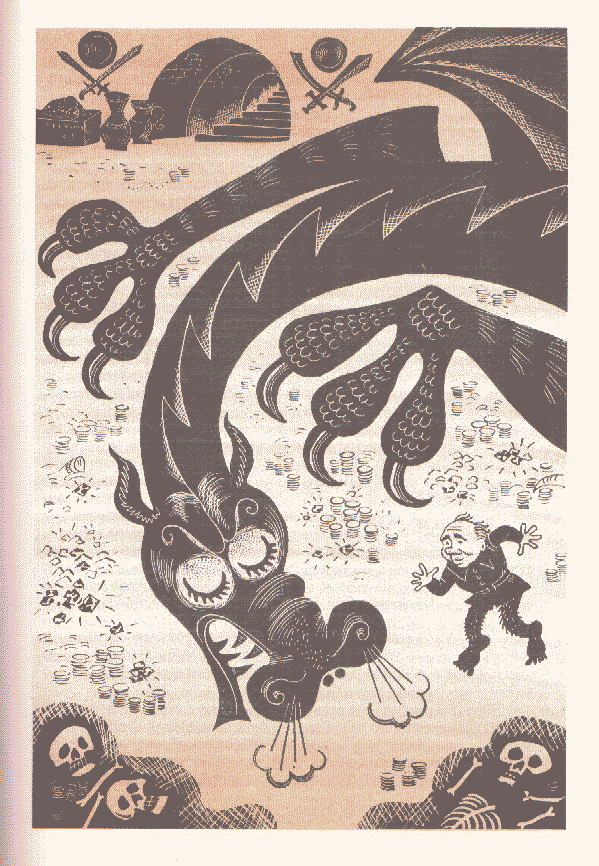
The concluding image presents Bilbo within Smaug's lair, fully embodying his role as a burglar on this monumental adventure. Here, Bilbo’s transformation is complete. The illustration serves more than just a visual finale; it’s a critical encapsulation of growth and bravery. It’s deeply symbolic for children coming of age, suggesting that vulnerability and strength can coexist, and that adventure is a rite of passage.
The Enduring Legacy of Tolkien in Diverse Cultures
This engagement with Tolkien's work through a Russian translation is just a snapshot of its broader cultural impact. It raises important questions about how literature transcends borders. While Tolkien may have originated from a particular cultural and literary tradition, his themes—friendship, bravery, and the battle between good and evil—are universal. This is more significant than it looks at first glance. The adaptations and translations are not merely reinterpretations; they serve as a mirror reflecting the values and concerns of the societies engaging with the text. If you're working in this space, consider how localized versions of popular texts can articulate cultural identities differently while still preserving core narratives.
An earlier version of this post appeared on our site in 2014.
Related Content:
110 Drawings and Paintings by J.R.R. Tolkien: Of Middle-Earth and Beyond
The Only Drawing from Maurice Sendak’s Short-Lived Attempt to Illustrate The Hobbit
Discover J.R.R. Tolkien’s Personal Book Cover Designs for The Lord of the Rings Trilogy


Discussion
Sign in to join the discussion.