Discover how educators can harness AI tools to enhance creativity and collaboration in coding, making classroom experiences more engaging and impactful.
The Role of AI in Education
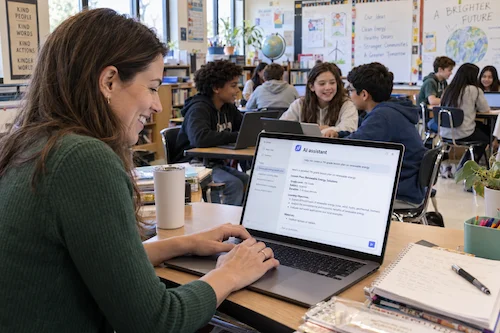
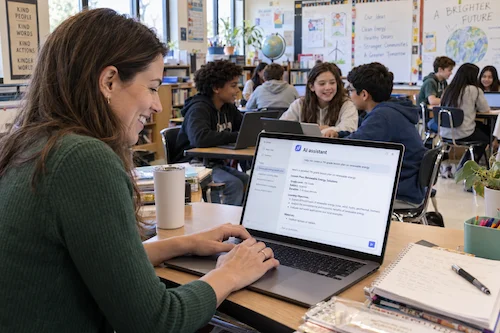
Artificial intelligence (AI) is now pervasive, influencing various aspects of our lives, especially education. Many educators have expressed apprehension about this shift, fearing that AI could replace traditional teaching methods or undermine critical thinking skills. However, there's a compelling counterargument: AI could actually enhance the educational landscape. Embracing AI has the potential to significantly improve the teaching experience. Those who are willing to adapt might discover empowerment in ways that were once unimaginable.
It's clear that AI can streamline operations in the classroom. Automating administrative tasks, for instance, frees teachers to focus on what matters most—student interaction and engagement. This kind of efficiency also allows for more time spent on creating meaningful learning experiences. Recent discussions in educational tech circles suggest that the anxiety surrounding AI often stems from a misunderstanding of its role. Instead of viewing AI as a replacement, educators should see it as a powerful ally that can invigorate their pedagogical practices.
AI's Functionality in Enhancing Education
One of AI's most impressive functions is its capability to simplify tasks that are traditionally time-consuming. Educators can significantly enhance lesson planning through AI's analytical power and automate repetitive tasks. Imagine generating engaging lesson plans or crafting interactive projects in moments instead of hours. This isn't just a futuristic idea; it's becoming a reality for many who choose to incorporate these tools. With the right AI applications, educators can establish a more dynamic classroom environment, reshaping relationships between teachers and students. The teacher's role becomes more of a facilitator, guiding students through personalized learning paths.
This approach tends to foster a sense of ownership among students. As they actively participate in their learning journeys, engagement spikes. Interactive projects generated or aided by AI can also make complex subjects more understandable, benefiting diverse learning styles. By designing activities that speak to students’ interests while harnessing AI, teachers can ignite curiosity and deeper learning. Investments in AI tools may seem daunting, but the potential of transforming mundane tasks makes them well worth considering.
Three Steps to Start Coding with AI
Teaching coding has often required significant time investment, but AI changes that dynamic. If you're working in this space, you might be looking for ways to reduce the burden on teachers while ensuring students still receive a quality learning experience. Here’s a straightforward three-step approach to get started:
- Select Your AI Partner: Begin by choosing an AI tool that resonates with you. Options like ChatGPT, Claude, or Gemini can serve as your coding companions. Engage with your chosen AI by outlining your educational objectives and asking it to help generate code for your project. This initial step is crucial because the right AI partner will contribute significantly to your success.
- Choose a Coding Playground: Once the AI generates the code, utilize a platform like CodePen or JSFIDDLE to test it out. These coding playgrounds allow you to view and interact with your code in real-time. Don’t be intimidated; experimenting in these environments is crucial for understanding and refining your creation. The feedback loop in real-time testing allows for rapid iteration and better learning outcomes.
- Embrace Collaboration and Experimentation: Adopt a Maker’s Mindset as you embark on this journey. Initial attempts may not meet your expectations, which is perfectly normal. Use feedback to refine your project, returning to your AI for guidance on any adjustments. Collaborate with colleagues who are also exploring AI's potential; shared insights can lead to innovative solutions. Peer support is often overlooked as a critical factor in educational settings.
The Opportunities and Challenges Ahead
The realm of AI in education brims with opportunities, but it isn't without its challenges. By engaging with these tools creatively, educators can redesign learning experiences and make their work more efficient. The question becomes: how can educators, administrators, and policymakers work together to overcome the existing hurdles? Training teachers to effectively implement AI in their curricula is just one piece of a larger puzzle. Moreover, addressing the concerns regarding data privacy and security in educational settings is essential. The adoption of AI solutions must be accompanied by robust discussions about ethical implications and practical safeguards for student data.
Interestingly, comfort levels with technology tend to vary widely among educators. Some embrace new tools eagerly, while others can be resistant, stemming from worries about their efficacy or usability. This disparity might create a divide in the quality of education delivered. Innovators in this space should focus on user-friendly solutions that clearly demonstrate value. And this is the part most people overlook: technology that's easily accessible and straightforward can bridge the gap between enthusiasm and apprehension.
Implications and Future Outlook
The future of AI in education looks promising, yet its success hinges on how educators choose to engage with these tools. If the focus shifts toward collaboration, where technology complements teachers rather than substitutes them, we could see a transformative impact on classrooms worldwide. Technology, especially AI, should be viewed as a tool for liberation—providing educators with the freedom to innovate and personalize their teaching methods.
What this means for you as an educator is clear: learning to navigate AI could define your teaching strategy for years to come. Not just for efficient lesson planning, but for enhancing student engagement and outcomes. As educational needs evolve, those who adapt will not only keep pace but will thrive in a new educational paradigm. It’s an exciting time, albeit with a need for caution. Embracing this shift thoughtfully could redefine the teaching and learning experience.



Discussion
Sign in to join the discussion.