Edgar Allan Poe's techniques for writing vivid stories emphasize planning, unity, and emotional impact, offering essential guidance for modern writers.
Understanding Poe's Approach to Vivid Storytelling
As a towering figure in literature, Edgar Allan Poe not only explored themes of beauty and death but also articulated a structured approach to literary composition in his 1846 essay, The Philosophy of Composition. His argument that the death of a beautiful woman is “the most poetical topic” may raise eyebrows, but it serves as a springboard into more profound discussions about narrative technique and emotional resonance. This work, while historically significant, remains relevant to writers seeking to create impactful narratives.
Poe’s Key Principles for Effective Writing
Poe presents a clear methodology for constructing stories and poems, centered around what he terms the “unity of effect.” His ideas provide a roadmap for writers, emphasizing the importance of intentionality in crafting every aspect of a piece. Below are the essential elements he outlines:
1. Know the Ending from the Start
Poe posits that every plot must be fully developed up to its conclusion before any writing begins. He maintains that having the ending in mind is crucial for instilling a sense of consequence and inevitability. Writers should keep this goal at the forefront to guide their narrative decisions.
2. Adhere to the Single Sitting Rule
Another tenet of Poe’s philosophy is brevity. He argues that if a literary work is too lengthy to be read in one sitting, it risks losing the vital unity of impression. Allowing breaks can disrupt the reader’s immersion, although he acknowledges exceptions like novels, which often require a more extended format. Such considerations become especially critical in poetry, where an uninterrupted experience is paramount.
3. Decide on the Desired Effect
Poe believes that the emotional impact a writer wishes to achieve should be determined ahead of time. He suggests that authors possess a remarkable capacity to evoke feelings and shape reader perceptions. For instance, his design choices in “The Raven” were aimed at creating a universal appeal, even if it doesn't resonate with every reader’s notion of beauty.
4. Choose an Appropriate Tone
Underlining his point that “Beauty is the sole legitimate province of the poem,” Poe emphasizes mood, claiming that melancholy is particularly suited for poetry. Each piece should feature a repeated element—a refrain—that echoes the intended tone. In “The Raven,” this is exemplified by the haunting word “Nevermore,” carefully chosen for its emotional weight and sound.
5. Establish Theme and Characterization
Poe insists that the theme should resonate through concrete character choices, observing that the subject of death—especially that of a beautiful woman—must be articulated by a bereaved figure. His approach seeks to blend abstract themes with tangible characters, showcasing his belief that narration should serve to illustrate deeper truths.
6. Create a Climax
For Poe, the climax is the heart of the narrative, requiring a synthesis of character lamentation and thematic revelation. In crafting “The Raven,” he intertwined the protagonist’s sorrow with the raven's refrain to heighten emotional stakes. He suggests starting from the conclusion to shape the trajectory of the entire work.
7. Define the Setting Last
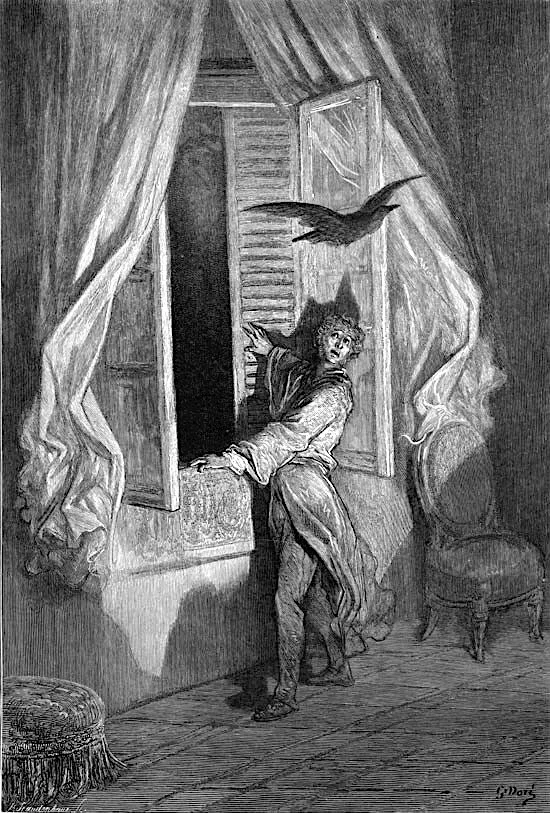
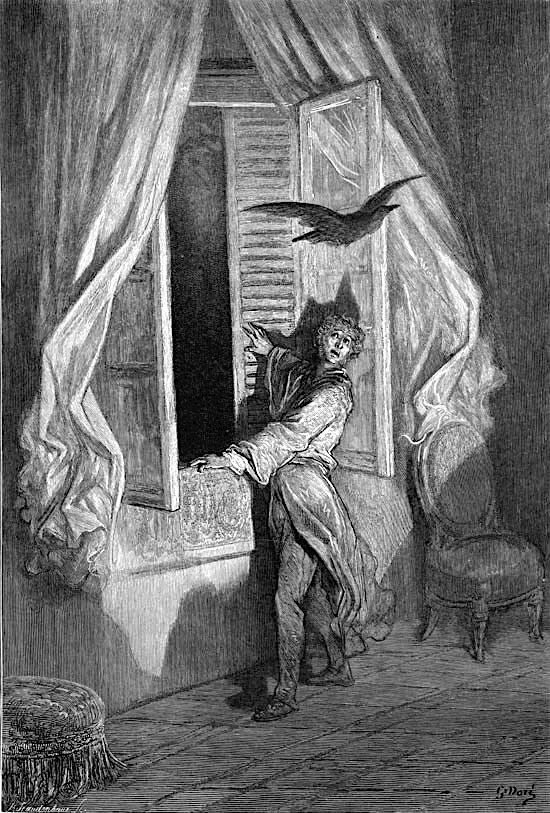
Interestingly, Poe advises determining the setting only after clarifying the overarching purpose of the narrative. This ordering allows the setting to emerge organically from character motivations and thematic elements. In “The Raven,” for instance, the protagonist’s richly adorned chamber is not arbitrary but rather a carefully considered choice that enhances the story’s insular tension.
The Pursuit of Originality
Poe stresses that maintaining originality doesn't stem from inspiration alone; it requires a conscious effort to redefine what’s familiar. Writers should draw on established conventions, adapting them to suit their unique narrative goals. This approach fosters innovation without sacrificing the connection to literary traditions.
Poe’s guidelines may originate from an epoch distant from contemporary narrative practices, yet they hold substantial value for today’s authors. His methods can be adapted to explore a range of themes beyond his obsessions, inspiring writers to craft vivid, impactful stories that resonate with readers across genres.
Related Content:
Gustave Doré’s Illustrations of Edgar Allan Poe’s “The Raven”
“The Raven,” Read by Notable Voices
H.P. Lovecraft’s Tips for Writing Horror
Edgar Allan Poe’s the Raven: Watch a Modern Adaptation
Exploring Theories Surrounding Poe's Death
Josh Jones is a writer and musician based in Durham, NC.


Discussion
Sign in to join the discussion.