Chicago's New Pathways event showcased how local education leaders are nurturing creativity and entrepreneurship among students through innovative programs.
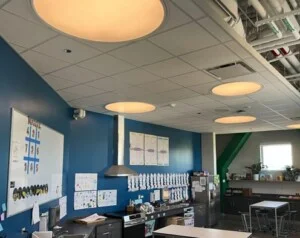
In a recent gathering in Chicago, education leaders, entrepreneurs, and students converged to explore how the city is reinventing its approach to education, with a spotlight on entrepreneurship and the arts. This event highlighted the vital role these sectors play in preparing students for future success in an increasingly interconnected and dynamic world.
The meeting, organized by Getting Smart, featured prominent speakers such as Kara May of Art in Motion and other notable figures like Shawnee Caruthers and Liz Texeira. The conference included numerous interactive panels and discussions with representatives from organizations like Future Founders and Big Picture Learning, focusing on key themes such as cultivating entrepreneurial mindsets and the impact of arts on youth engagement. The convergence of these voices underscores a growing recognition of the importance of integrating creativity and practical skills into the educational framework.
Success Stories in Education
Chicago's Academy for Global Citizenship (AGC) exemplifies a successful educational model that merges holistic development with sustainability practices. Serving over 500 students, AGC implements a dual-language immersion approach within a framework of the International Baccalaureate (IB) curriculum. This focus on global citizenship and multilingualism prepares students for the realities of a diverse world, offering them an edge as they enter higher education and the workforce.
Despite the enrollment challenges faced by Chicago Public Schools, AGC continues to thrive, emphasizing community involvement along with a commitment to student well-being and environmental responsibility. The school promotes sustainability not just as a subject to be studied, but as an integral part of its identity. Their award-winning infrastructure, which incorporates green design principles, allows them to contribute positively to the local ecological footprint while teaching students the significance of sustainable practices.
Creativity Thrives at Oak Park and River Forest High School
At Oak Park and River Forest High School, approximately 3,900 students are engaged in transformative learning experiences that foster creativity and entrepreneurial skills. Through programs like Uncharted Learning’s INCubatoredu, students not only learn to think critically about their entrepreneurial ideas but are also provided with tools to research market demands and customer needs. Projects range from designing innovative ski apparel to developing AI solutions for sports coaching, reflecting students’ diverse interests and ingenuity.
This school emphasizes a practical approach to learning, where students build vital skills by taking ownership of their projects. Such hands-on experiences aren't just beneficial; they’re essential for students to feel connected to their education. The blend of theoretical knowledge and practical application helps reinforce the relevance of their studies, making the learning process more engaging.
In addition to entrepreneurship, the school's culinary arts program offers students hands-on experience by running a restaurant and food delivery service. This dual focus on creativity and practical skills ensures that students leave with the knowledge necessary to contribute meaningfully to society. The culinary program is more than a class—it's a microcosm of the real world, where students learn about economics, teamwork, and customer service.
Fenton High School: Bridging the Gap to the Community
Fenton High School, serving over 1,200 students, is another notable institution committed to preparing learners for real-life challenges. Positioned close to O’Hare airport, this diverse school community crafts learning experiences aligned with students' interests and the needs of local businesses. Fenton's collaboration with Uncharted Learning has led the school to adopt entrepreneurial programs that promote agency and critical thinking among students. These entrepreneurial initiatives empower students, giving them a sense of ownership over their education
Superintendent Dr. Jason Klein emphasizes the importance of community feedback in shaping these educational initiatives. This strong relationship between the school and local businesses benefits everyone involved. It ensures that the curriculum remains relevant and responsive to the economic landscape and local job market. During a recent panel discussion, educators and local business representatives expressed a shared commitment to evolving educational practices. The consensus was clear: there's a need for adaptable learning environments that prepare students for the shifting demands of the modern workforce. What this means for you, if you're working in this space, is that schools that effectively respond to the community's needs are likely to see better outcomes for their students.
Looking Ahead
As Chicago continues to lead in developing educational programs that prioritize entrepreneurship and the arts, the city's approach serves as a model for other districts grappling with similar challenges. By fostering environments where creativity can flourish and practical skills are emphasized, these schools are equipping the next generation to navigate and thrive in a rapidly changing world.
Ultimately, the synergy between educational theory and on-the-ground practice is what will define success in our educational structures. Schools must adapt not just to educational standards but also to the evolving economic landscape. This isn't merely an aspiration; it's a necessity. The implications of this movement can resonate far beyond the classroom, influencing local economies and shaping future innovators. It’s a significant shift, one that could lead to generations of engaged, thoughtful, and entrepreneurial citizens.


Discussion
Sign in to join the discussion.