A meticulously scanned 900-page color manual from the 17th century by A. Boogert reveals insights into watercolor techniques before modern color theory took hold.
An Urgent Exploration of Color in the 17th Century
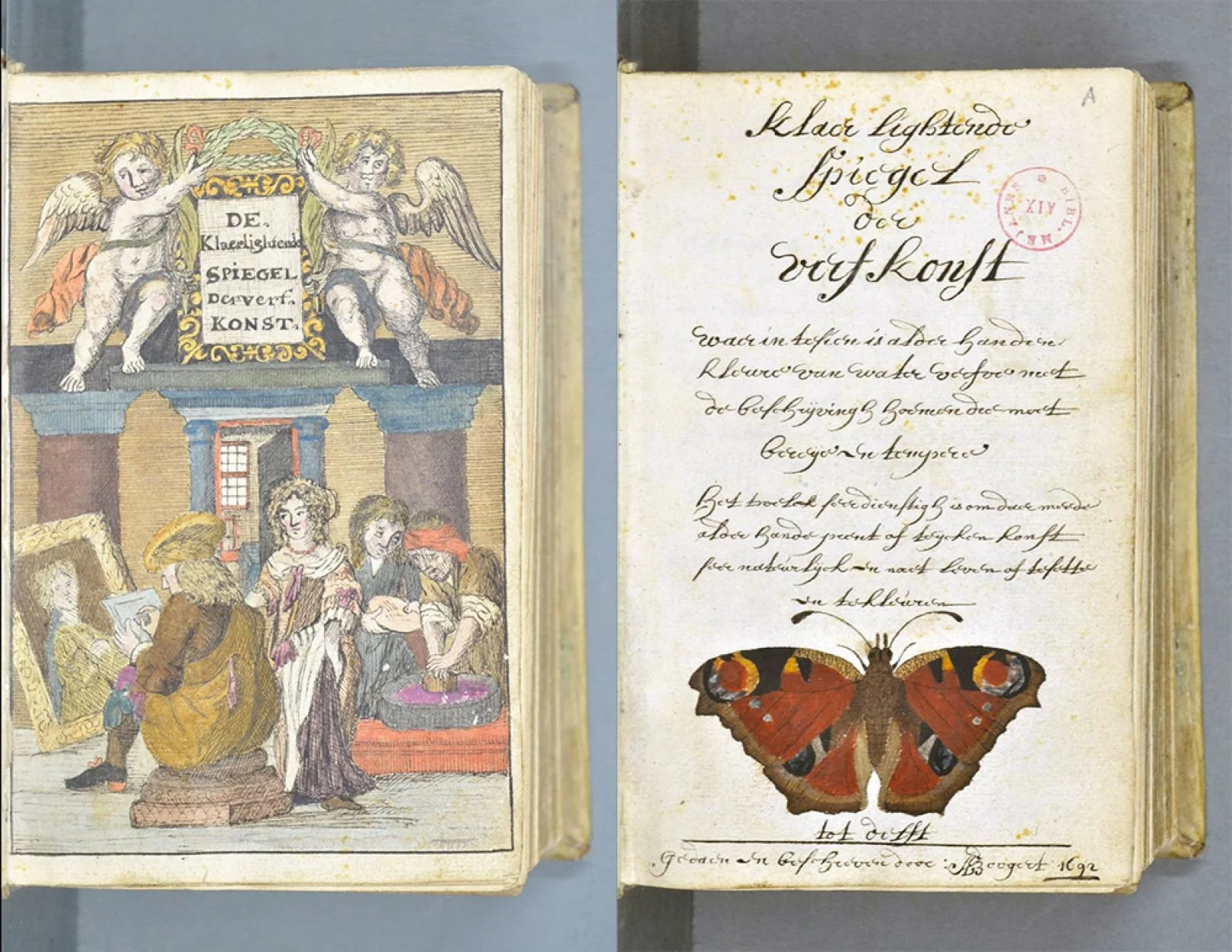
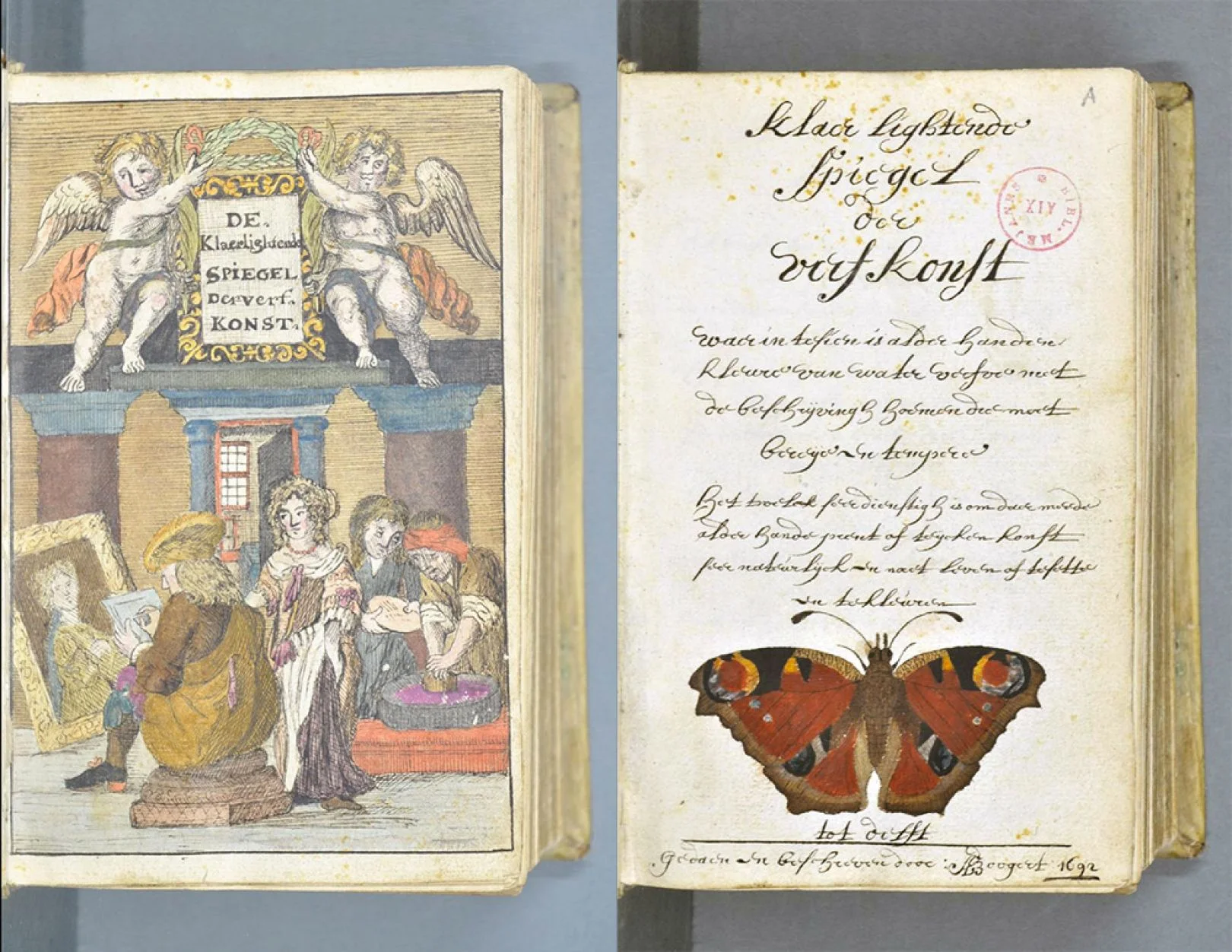
A. Boogert's Traité des couleurs servant à la peinture à l’eau, created in 1692, is a fascinating exploration of color that predates the establishment of standardized color theory. This unique 900-page manual, intricately detailed and visually engaging, showcases more than 700 pages dedicated to swatches and watercolor techniques. At a time when understanding color was still emerging, Boogert's work bridged the gap between artistic intuition and scientific exploration. It captures a moment when artists relied heavily on their perceptions and experiences, waiting for more scientific underpinnings to inform their art.
Philosophical Underpinnings and Artistic Influences
The text reflects Aristotle’s philosophy of color rather than the soon-to-be revolutionized spectrum laid out by Isaac Newton in Opticks, published a decade later. This reliance on Aristotelian thought is significant. Aristotle viewed color as a function of light and context, which could limit artists’ understanding. Boogert's choices may have inhibited the development of more scientific approaches to color, potentially stifling creative innovation. Yet, juxtaposed against Newton’s findings, it opens up an intriguing dialogue about perception and reality in art. What’s particularly compelling is how Boogert's text might have shaped the art world of his time, linking color perception to artistic practice. However, historical accounts suggest that its impact was limited.
By 1692, many of the celebrated Dutch masters had passed away, leaving an isolated legacy that might not have reached the active painters of the era. It’s an irony that Boogert, producing a detailed and quite advanced text, may have been swimming against the current of artistic influence. With the Dutch Golden Age already waning, new artists may not have harnessed the richness of Boogert’s findings, favoring established methods instead.
Diving into Practical Application
Interestingly, the book was primarily designed for watercolorists, as denoted by its French title which directly translates to “a clear, illuminating mirror of painting art.” Medieval historian Erik Kwakkel stumbled upon this treasure in a French database, asserting its significance as a window into the artistic practices of 17th-century painters. Its pages reveal a detailed methodology on creating watercolor paints, outlining the mixing of colors and adjusting tones through the addition of varying amounts of water. This offers not just a glimpse into the techniques of the time, but also indicates a meticulousness that many may overlook. The sophistication of these practices speaks volumes about the art of watercolor as not simply a medium, but a complex language of expression and interaction.
The Visual Appeal and Lasting Legacy of Boogert's Work
What makes Boogert's work particularly captivating is its aesthetic quality; the meticulous handwritten Dutch text couples elegantly with vibrant color swatches that viewers today might liken to Pantone chips. The aesthetic isn’t just visually arresting; it suggests a deep appreciation for the interplay of text and image that would be foundational in later artistic movements. The book is currently stored at the Bibliothèque Méjanes in Aix-en-Provence, where it’s possible to access high-resolution scans for a deeper exploration of its pages.
Critics and enthusiasts alike appreciate not only the educational value but the artistic allure of flipping through its vivid imagery. And this is the part most people overlook: the influence of such visual art can extend far beyond its immediate context, bleeding into modern practices. If we consider color theory as an evolving dialogue in art, Boogert’s treatise stands as a significant, albeit underappreciated, chapter.
Transitioning Understanding of Color
Boogert’s manual serves as a reminder of the transitional phase in color understanding, straddling the old ideas of color mixing and the scientific advancements that followed. The context of its creation, during the Golden Age of Dutch Painting, enriches its legacy, leading one to ponder what might have been if wider distribution had occurred. As it stands, though largely overlooked, Boogert’s efforts resonate with the ongoing quest for color standardization that would eventually find its expression in modern chains like Pantone. The contrast between then and now raises important questions about accessibility and the evolution of knowledge.
Implications and Future Outlook
What this means for you, whether you're an artist, a historian, or simply a curious reader, is that Boogert's manual stretches beyond its historical confines to inform contemporary discussions of color in art and design. As digital technology increasingly shapes how we experience and manipulate color, understanding these early frameworks adds depth. The idea that such a detailed exploration of color existed in a time when information was not as widely disseminated offers hope that the past can inform our future. If more artists were to engage with the nuances of color mixing as laid out by Boogert, we might see a revival of detailed craftsmanship, echoing the artistry that characterized the era in which he lived.
Curious readers and color enthusiasts can dive into the digital version of this manual through the link provided, rediscovering a piece of history that elegantly marries art and science.
Related Content:
Werner’s Nomenclature of Colour, the 19th-Century “Color Dictionary” Used by Charles Darwin (1814)
The Vibrant Color Wheels Designed by Goethe, Newton & Other Theorists of Color (1665–1810)
Josh Jones is a writer and musician based in Durham, NC.



Discussion
Sign in to join the discussion.