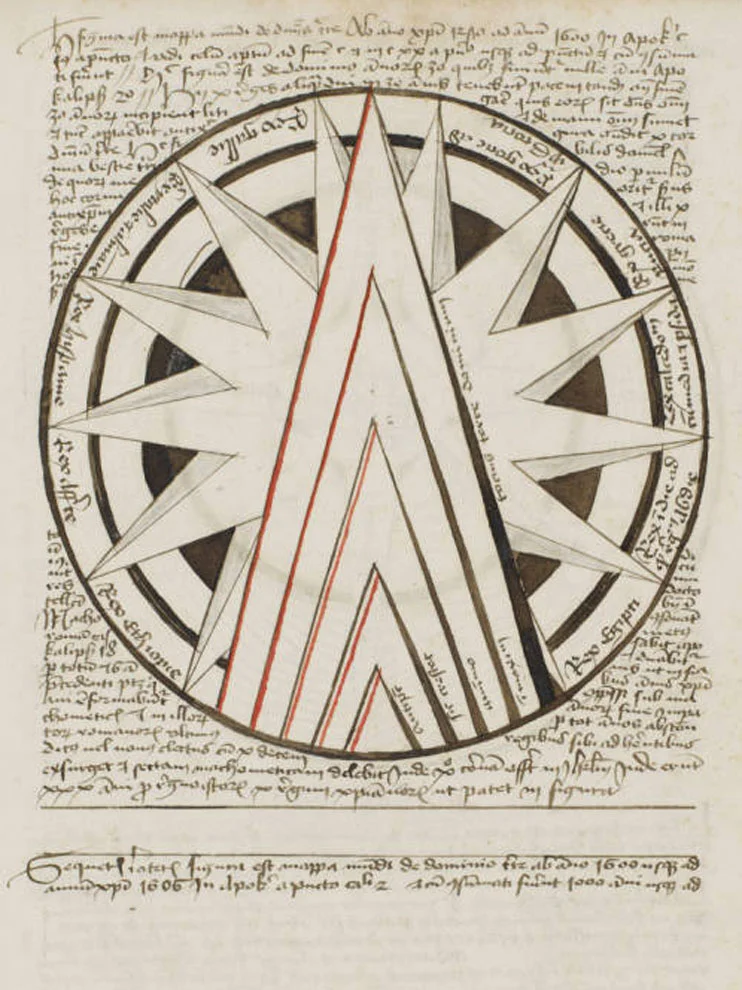
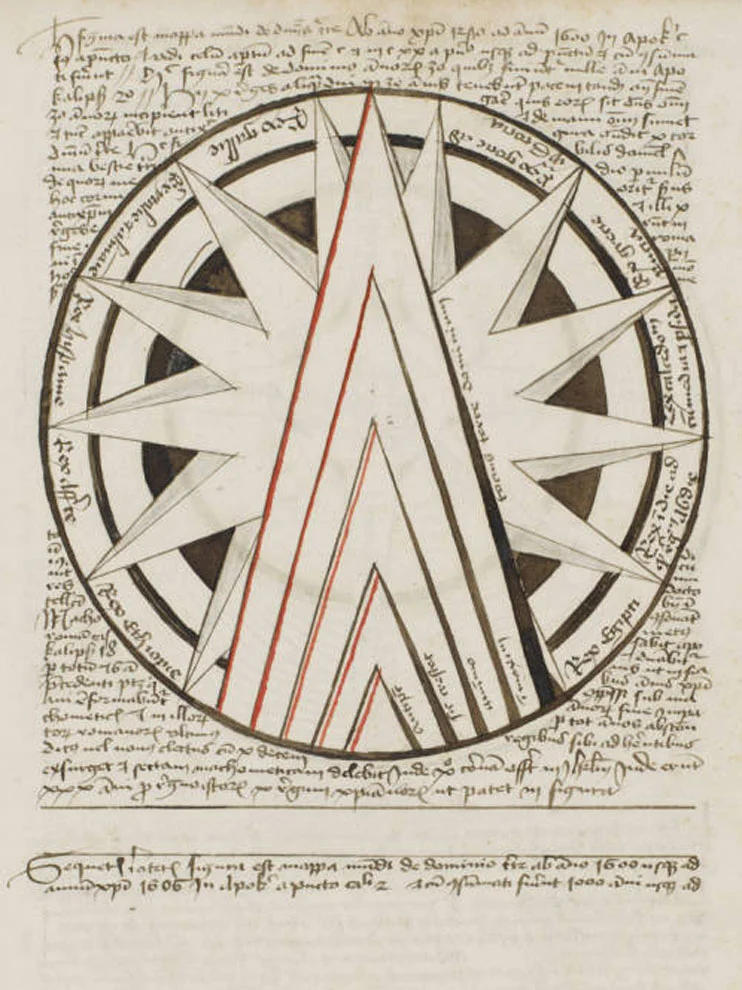
A fascinating 15th-century map presents a visual narrative of the Apocalypse, reflecting the cultural anxieties of its time regarding religion and geopolitics.
The Many Faces of "End"
When contemplating the end of the world, various interpretations arise, especially concerning what we mean by “end.” Scientific forecasts suggest that the trajectory of civilization could face dire consequences by 2100, as highlighted by climate models. These differing interpretations reflect a broad spectrum of perspectives on existence itself, encapsulating everything from ecological collapse to the more abstract notion of societal upheaval. Nonetheless, these projections aren't definitive, and a number of viable futures remain a possibility.
Presently, the intersection of science and uncertainty creates a sense of anxiety. Climate reports frequently change as new data becomes available, illustrating the volatility of predicting our future on this planet. While we must remain vigilant about environmental shifts, it’s equally important to explore what those shifts may or may not mean for humanity. For instance, the advancements in renewable energy technologies and carbon capture methods provide potential pathways to mitigate what once seemed like an unequivocal demise. But can technology truly rescue us from the precipice?
Life's Longevity on Earth
If we expand the inquiry to the extinction of all life on Earth, the outlook shifts dramatically. Astrophysicist Jillian Scudder anticipates that the planet could persist for another billion years before the sun's expansion renders it uninhabitable. A billion years is an eternity in human terms, but existence itself is marked by flux. Evolution has paved the way for life forms to adapt and survive a myriad of climatic and geological changes over the eons. But other existential threats—nuclear conflict or pandemics—remain pertinent concerns that provoke modern fears of an apocalyptic scenario.
That's where the unpredictability of human agency comes into play. Unlike natural phenomena that follow a track of time measured in millions of years, human decisions can lead to dramatic shifts almost instantaneously. The unsustainable nuclear arms race, escalating geopolitical tensions, and the disquieting re-emergence of diseases once thought controlled underscore the fragility of our current existence. Each threat not only adds to fears of an end but also enhances our collective responsibility to act before it’s too late.
Eschatology and Historical Context
For many, the concept of the world's end is steeped not in scientific reasoning but in eschatology, a theological exploration of salvation and destruction. This realm examines existential threats not just as potential realities but as phenomena that invoke a deep-seated human longing for understanding and meaning. Historical theological debates have often echoed contemporary anxieties about natural calamities, pandemics, and sociopolitical upheaval—mirroring the fears that plagued 15th-century Europe.
Amid the Age of Enlightenment, amid widespread plagues, the fall of Constantinople, and constant warfare, many believed the Apocalypse loomed close at hand. In fact, during this tumultuous period, the Renaissance inspired a flurry of apocalyptic literature, revealing the era’s intricate relationship with faith and doubt. Historical writers, including Betsy Mason and Greg Miller, document how these fears were reflected in numerous publications exploring apocalyptic themes.
Mapping the Apocalypse
One particularly striking manuscript, crafted in Lübeck, Germany, between 1486 and 1488, employed geographic illustrations to depict various apocalyptic scenarios. The imagery of nested triangles symbolized the rise of the Antichrist, while subsequent maps narratively addressed the perceived ascendancy of Islamic forces through time, culminating in confrontations with Christendom. This isn't just a historical relic; it underscores the pervasive fears of the time that have a haunting echo even in contemporary society.
In contrast to conventional maps, one circular representation featured five swords extending outward, signifying a foreboding view of Islamic expansion threatening the known world. Other visual elements depicted pivotal moments such as Judgment Day, revealing a strikingly graphic depiction of theological beliefs concerning Hell and the afterlife. This kind of representation isn't merely artistic; it reflects a societal drive to make sense of chaos through visual storytelling.
How Cartography Reflects Societal Concerns
While the manuscript is laden with theological alarmism, historians like Chet Van Duzer remark that it embodies a sophisticated understanding of cartographic principles for its time. Characterized as lacking the finesse expected of highly scholarly texts, it nonetheless reflects an insightful grasp of thematic representation, illuminating societal concerns through the medium of maps. Mapping itself becomes a means to express not just geographic knowledge but also the fears and questions that consume society.
This representation of the Apocalypse resonates with the deeply entrenched anti-Islamic sentiment that permeated medieval thought, notably during an era defined by cultural confrontation. As such, the text accompanying these visuals includes a blend of astrological medicine and advanced geographical theories. By examining these dynamics, we can grasp how fear and knowledge intermingle in complex ways. (And this is the part most people overlook.)
Research by Van Duzer and Ilya Dines culminated in a book entitled Apocalyptic Cartography, focusing on this manuscript's nuanced examination of geographic narratives alongside its theological implications. The ability of the author to theorize about map functionality in the 15th century marks a noteworthy development in the evolution of cartography, making it a rich area for further inquiry.
The Existential Echo of History
Ultimately, this rare manuscript now resides at Huntington Library in Los Angeles, serving as a vivid reminder of how historical perceptions of apocalypse reveal much about the values and fears of the time. From its intricate illustrations to its theological underpinning, the manuscript encapsulates anxieties that have persisted for centuries. If you're working in this space, think about how history shapes our understanding of modern fears.
Implications for Today and Tomorrow
The relevance of these historical perspectives is more significant than it looks. Understanding how past societies have reacted to existential threats may offer insight into our current navigations of climate change, political unrest, and technological monopolies. The lessons learned from the past can guide today's discourse, urging a more nuanced understanding of how to combat modern apocalyptic fears.
As we grapple with contemporary challenges, the dual lens of science and theology may offer us varied ways to approach the uncertain frontier of the future. The past informs our present, but it can also illuminate pathways to a more hopeful tomorrow.
Related Content:
M.I.T. Computer Program Predicts in 1973 That Civilization Will End by 2040
A Survival Guide to the Biblical Apocalypse
In 1704, Isaac Newton Predicted That the World Will End in 2060
Josh Jones is a writer and musician based in Durham, NC.

Discussion
Sign in to join the discussion.