A fresh pedagogical approach at Majan University College is reshaping cybersecurity education by integrating AI tools and hands-on learning to boost critical thinking.
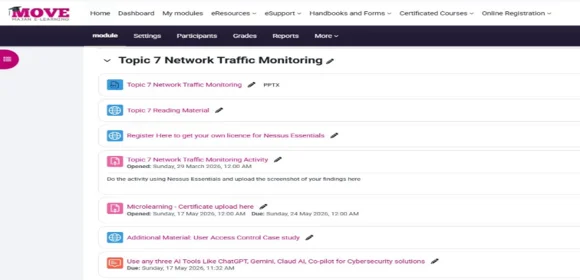
In an era where artificial intelligence is redefining classroom dynamics, one educator has boldly integrated AI into cybersecurity training at Majan University College. The decision to center assessments around AI and challenge its outputs is not just a pedagogical gamble; it's a commitment to enhancing critical thinking skills in future cybersecurity professionals.
The AI Dilemma in Education
The presence of AI in higher education sparks ongoing debates. Concerns about academic integrity are prevalent—students can produce high-quality essays almost instantaneously using tools like ChatGPT. Many institutions have adopted strict policies limiting AI usage. However, in the fast-paced field of cybersecurity, relying on outdated educational practices could leave graduates ill-equipped for today’s workforce. This raises an essential query: How do we design learning environments that leverage AI while preserving a framework for critical analysis?
“The question was not whether to allow AI, but how to design learning around it so that critical thinking remained non-negotiable.”
The Shortcomings of Traditional Instruction
Cybersecurity is a field where vulnerabilities can emerge overnight, rendering traditional lecture-based instruction ineffective. Students often memorize definitions yet struggle to apply their knowledge in real-world scenarios. The challenge lies in transitioning from theoretical understanding to instinctual application. The conventional method isn’t cutting it; a shift to more engaging, hands-on teaching techniques is necessary.
Step 1: Engaging with Real-World Tools
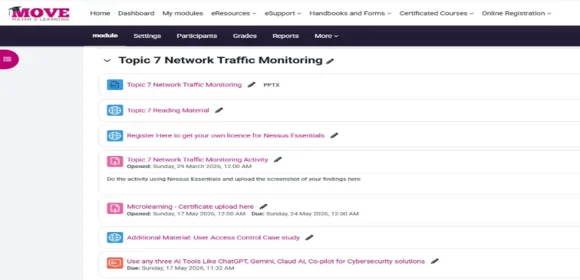
The first transformative step involved placing state-of-the-art cybersecurity tools directly in the hands of students. Utilizing a free license from Tenable, students accessed Nessus Essentials—an industry-standard vulnerability scanner used by penetration testers. Rather than simulating attacks, students identified tangible vulnerabilities on their own devices, changing how they viewed cybersecurity from mere theory to active responsibility.
Step 2: Comparing AI Solutions
Once a vulnerability was identified, students were tasked with consulting three different AI tools—such as ChatGPT, Google Gemini, and Claude AI—to compare their remediation strategies. This exercise wasn't just about fixing the issue; it was centered around critical evaluation and justification of their chosen solutions. The differing outputs provided fertile ground for academic discussion, pushing students to analyze technical accuracy and practicality.
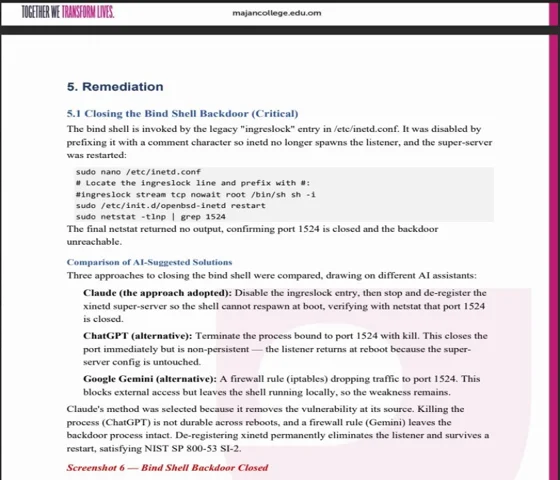
For example, one student’s report assessed the various methods proposed by the AI tools for addressing a critical vulnerability. It highlighted that Claude’s approach effectively neutralized the threat permanently, while alternatives from ChatGPT and Gemini were either temporary solutions or left other vulnerabilities open.
“Students discovered that different AI tools gave meaningfully different answers — not just in wording but in technical depth, persistence, and correctness.”
Step 3: Microlearning for Enhanced Engagement
Complementing the hands-on work with tools and AI discussions, a new content delivery model was implemented. Rather than traditional lectures, content was reevaluated into concise, focused microlearning units that lasted no more than ten minutes. This approach reinforced core concepts before each lab session, allowing students to enter labs prepared and ready to engage in practical applications. Such a style was particularly beneficial for college students who often juggle studies, work, and personal responsibilities.
Evaluating the Impact
This innovative instructional strategy yielded promising results after just one semester. Students displayed marked improvement in practical assessments, particularly regarding live vulnerability identification and remediation. Feedback indicated a growing confidence and ability to apply taught concepts independently. Engaging with real tools and comparative AI analysis fostered a deeper, more nuanced understanding of cybersecurity challenges.
Insights for Other Educators
Based on this experience, here are three key takeaways for fellow educators in the cybersecurity domain:
1. **Adopt Real-World Tools:** Utilize resources like Nessus Essentials. The hands-on experience of scanning personal machines for vulnerabilities sparks genuine interest and understanding.
2. **Shift Focus to AI Comparison:** Design assessments around the critical comparison of AI tools. This builds analytical skills and cultivates digital literacy—essential traits for the next generation of cybersecurity professionals.
3. **Embrace Microlearning:** Keep learning units under ten minutes and target single topics. Pair these with lab activities so that students apply their knowledge in real-time, enhancing retention and engagement.
As cybersecurity threats continue to evolve, so must our teaching methodologies. It's no longer sufficient to simply impart knowledge about existing threats; we must equip students to think like defenders in a landscape that changes dynamically. What started as a trial at Majan University College has morphed into a foundational approach influencing every cybersecurity module I teach.
This overview encapsulates a research piece titled: A Pedagogical Framework for Embedding Microlearning, Gamification, and Industry Credentials in Undergraduate Cybersecurity Education — by Ramalingam Dharmalingam, Majan University College, Muscat, Oman.
Dr. Ramalingam Dharmalingam is an Assistant Professor in Faculty of IT at Majan University College, Muscat, Oman, with a focus on cybersecurity education, AI-enhanced learning, and advanced pedagogical frameworks. He is a Senior Fellow of Advance HE, UK, and a Senior Member of IEEE. Connect on LinkedIn


Discussion
Sign in to join the discussion.