Real-world work experiences can fundamentally shift how students view themselves and their contributions, igniting curiosity and agency in education.
By: Nikki Stancampiano and Reem Al-Adhami
Reem Al-Adhami, now an aerospace engineering student, has seen the benefits of work-based learning firsthand through her participation in the Power Up Your Potential program at the PAST Foundation in Columbus, Ohio. After originally joining the program as a student, Reem returned as a peer advisor to help other young people navigate similar journeys.
Her evolution is striking. Once a quiet presence, Reem transformed into a confident individual who readily shares her thoughts and ideas, even addressing an audience during the program's graduation ceremony. This shift illustrates a deeper change that work-based learning fosters: a stronger sense of identity and belonging amongst students.
The Identity Shift Through Meaningful Work
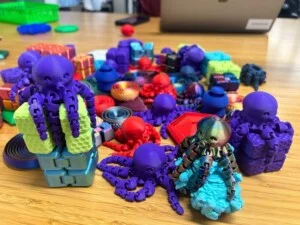
Initially, work-based learning was viewed as a tool for exposing students to various career paths. However, deeper insights reveal its transformative power in shaping how students perceive their self-worth and potential contributions to society. For Reem, working on 3D-printed fidget toys for children with sensory needs exemplified this shift. Witnessing the excitement of those younger children when interacting with something she designed made her recognize her value beyond academia.
“I’m making a change — even a small one — in these kids’ lives,” she expressed, illustrating how meaningful engagement can ignite passion and purpose.
Unlike traditional educational settings, where tasks often serve only an academic audience, real project contributions foster genuine connections. Reem highlights how many school projects can feel hollow and detached, lacking the emotional engagement that real-world applications provide. That personal investment is crucial; it helps students transition from merely fulfilling requirements to actively understanding their roles in a community.
Curiosity Flourishes in Authentic Contexts
The insights gained expanded our understanding of student motivation. Contrary to the stereotype that today’s youth are lazy or disinterested, Reem notes that they possess abundant passion and creativity; the key lies in connecting them with tasks that resonate. She contrasts her own experience, where barriers to exploration limited her curiosity in school, with the invigorating environment at PAST where her team proactively repaired a broken 3D printer without assignments or supervision.
This environment unlocks real learning as students genuinely engage in problem-solving and creative thinking, illustrating that compliance-driven education often stifles curiosity.
Building a Culture of Contribution and Belonging
Reem emphasizes that the transformative experiences she's had result not from any singular lesson but from the supportive culture that surrounds her during these activities. Peers, mentors, and community partners all play vital roles, contributing to an ecosystem that fosters growth and learning. This network not only guides students through mistakes but also equips them to take ownership of their ideas and projects.
What many students miss out on is a sense of connection — to people who inspire them, to meaningful work, and to communities that welcome them. This reciprocal flow of knowledge means students become valuable contributors to their communities, providing fresh perspectives and solutions.
Reem's role as a peer advisor highlights her continued commitment to fostering this environment, ensuring new participants receive the same support she did, enabling them to embrace their unique abilities.
Education Needs to Embrace Reciprocity
This perspective prompts a reevaluation of the educational structures in place today. Instead of merely preparing youth for a future role in the workforce, the focus should be on empowering them as active contributors in their communities right now. This doesn’t mean every educational institution must adopt a work-based learning program but encourages real-world projects and problem-solving opportunities in classrooms.
When education based on compliance gives way to a model encouraging authentic contributions, it changes the dynamic between students and their learning environments. The questions students ask evolve from “What do I need to do for a grade?” to “How can I help?” — a powerful realization that can redefine their relationship with learning.
As students trust their capacity for meaningful work, they invest emotionally and intellectually, igniting a vibrant cycle of engagement and curiosity.



Discussion
Sign in to join the discussion.