Mick Jagger reflects on the creation of "Gimme Shelter," highlighting the emotional weight of Merry Clayton's powerful background vocals during a tumultuous era.
As the Rolling Stones finalized their album Let It Bleed in late 1969, the atmosphere was thick with tension and disarray. Following the tumultuous departure of Brian Jones due to his struggle with addiction, the band experienced personal and creative upheaval, culminating in Jones's tragic death shortly after. Unbeknownst to the Stones, the impending Altamont Free Concert, set to unfold the day after the album's release, would also unravel with chaotic violence.
This period, marked by a series of global tragedies—including the assassinations of Martin Luther King Jr. and Robert F. Kennedy, along with the Tet Offensive—cast a long shadow over the music scene. Let It Bleed emerged as one of the darkest reflections of its time, with Stephen Davis aptly noting that “no rock record before or since has captured the sense of palpable dread that hung over its era.”
The Somber Themes of "Gimme Shelter"
Among the tracks on Let It Bleed, "Gimme Shelter" stands out as an anthem of despair and urgency, highlighted by lyrics that speak of destruction and chaos with haunting clarity. Mick Jagger, in a recent interview, elaborated on the song's foreboding themes, evoking imagery of a fire “sweepin’ our very street today” as a precursor to the violent societal changes taking place.
Merry Clayton's Unforgettable Contribution
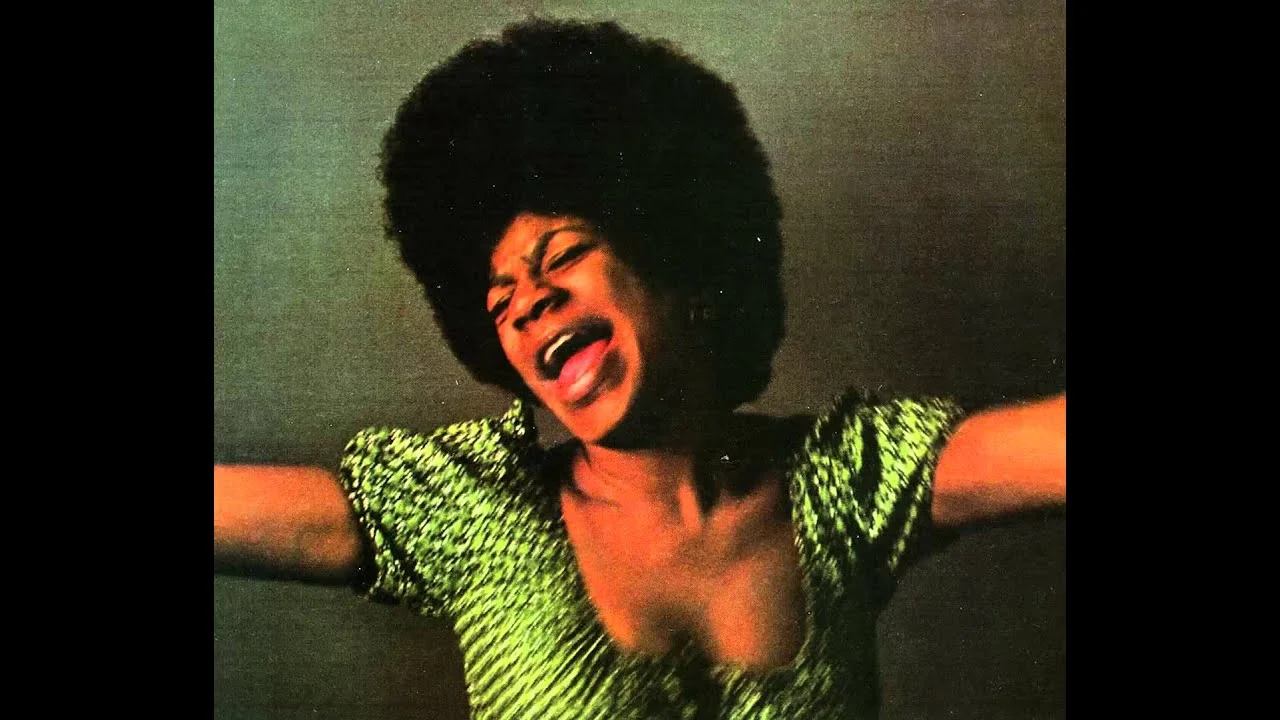
One of the most striking aspects of "Gimme Shelter" is the powerful backdrop created by soul singer Merry Clayton. Jagger recounts how the decision to feature a female vocalist for the challenging “rape/murder” verse came about in an impromptu manner. “We thought it’d be great to have a woman come and do that part,” Jagger explained, reminiscing about calling Clayton late at night and requesting her presence in the studio. Remarkably, she appeared in her curlers, ready to deliver an unforgettable performance.
Clayton's background gives context to her stunning rendition. Raised in New Orleans as the daughter of a Baptist minister, she was immersed in music from a young age, leading to collaborations with legends like Elvis Presley and The Supremes. Even so, nothing could prepare her for the emotional journey of recording "Gimme Shelter." In her own words during a separate interview, Clayton described the moment she received the late-night call from producer Jack Nitzsche, expressing disbelief that someone would reach out at such an hour.
The Intensity of the Recording Session
Upon arriving at the studio, Clayton felt the urgency of the situation yet was initially unaware of the magnitude of the band she was working with. “I had no idea who the Rolling Stones were,” she said. Once Keith Richards explained the song's context and the lyrics she would sing, Clayton prepared herself for the task ahead, even questioning the choice of lyrics like “rape, murder.” Yet, she pushed through the performance, demonstrating remarkable fortitude despite being in the late stages of pregnancy.
Clayton's powerful delivery, including moments where her voice cracked with emotion, resonates throughout the final recording. Those present were left in awe, as evidenced by their enthusiastic reaction while she sang. It's indicative of the raw energy and authenticity that her presence brought to the track.
Aftermath and Personal Struggles
The session, however, had a tragic undertone for Clayton. Shortly after leaving the studio, she faced a miscarriage, an event many have speculated could have been triggered by the emotions evoked during her performance and the stress of the late-hour session. Reflecting on this time years later, Clayton admitted that “Gimme Shelter” was difficult to listen to for an extended period, symbolizing a dark chapter in her life. “That was a dark, dark period for me,” she shared, “but God gave me the strength to overcome it.”
Ultimately, Clayton transformed the pain associated with the song, finding a way to channel it into something positive. She acknowledged the fleeting nature of life, leading her to a place where she could once again perform "Gimme Shelter" without grief overshadowing the experience.
As we reflect on the legacy of "Gimme Shelter," it's clear that Merry Clayton's contribution to the Rolling Stones’ iconic sound goes beyond mere vocals; it encapsulates a moment of historical significance and personal struggle, reminding listeners of the complex narratives that shape their favorite music.


Discussion
Sign in to join the discussion.