Pedagogical knowledge significantly influences teacher effectiveness and student outcomes, highlighting the need for comprehensive teacher education programs.
Understanding the Importance of Pedagogical Knowledge
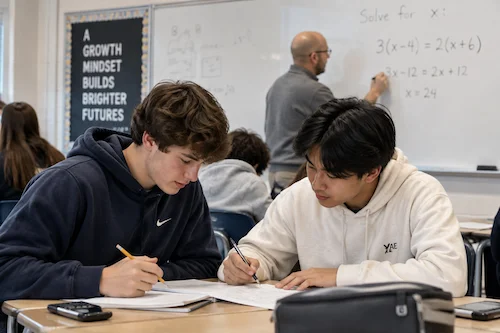
While deep subject knowledge is vital for teachers, true excellence encompasses far more than merely possessing facts or equations. The ability to engage students in mathematical problem-solving or assess their understanding of historical events requires advanced pedagogical skills. Teachers must navigate complex classroom dynamics, balancing curriculum demands with the diverse needs of students. This duality of knowledge becomes vital for effective teaching, influencing not just student engagement, but overall educational outcomes in significant ways.
Insights from the Teacher Knowledge Survey
Recent findings from the Teacher Knowledge Survey paint a compelling picture of how pedagogical knowledge influences educational effectiveness. The data reveals that teachers who excel in general pedagogical knowledge (GPK) dedicate more time to direct instruction and less to managing classroom behavior. This is a key insight; it suggests that when teachers are well-versed in pedagogical strategies, they can focus their energy on delivering content effectively rather than constantly redirecting student behavior. In countries where teachers score higher on GPK assessments, there's a notable correlation with improved student performance in mathematics and reading, particularly in the Programme for International Student Assessment (PISA) results. These findings offer solid evidence that pedagogical training isn't just a footnote in the education debate—it's at the center of student success.
The Intersection of Knowledge and Well-Being
Pedagogical expertise not only enhances teaching effectiveness but also contributes positively to educators' mental health. Data suggests that teachers with a strong foundation in pedagogy report lower stress levels related to classroom management and accountability pressures. This resilience is likely tied to their abilities to preemptively address disruptive behaviors and adapt to diverse classroom dynamics. When teachers possess effective teaching strategies, they're more equipped to create an environment conducive to learning. A less chaotic classroom leads to fewer stressors for educators, which can foster a more positive work experience. Over time, this could translate into lower burnout rates and higher retention, a pressing issue in many educational systems.
The Gaps in Initial Teacher Education
The question arises: how can we ensure that educators acquire this essential pedagogical knowledge? For many, initial teacher education serves as their introduction to pedagogical theory and practice. However, a concerning trend is evident—nearly half of the teachers surveyed in Saudi Arabia reported entering the profession with only subject-specific qualifications. A similar pattern can be seen in Morocco, where a fifth of teachers lack substantial pedagogical training. These gaps raise important concerns. Teachers without pedagogical training may struggle to apply their subject knowledge effectively in real classroom situations, which can undermine their impact on student learning.
The Need for Integrated Pedagogical Training
The Teacher Knowledge Survey underscores the necessity of incorporating pedagogical training into initial teacher education. Teachers with only subject qualifications consistently trail behind their peers who receive more extensive pedagogical training in GPK across nearly all participating countries. This gap is particularly pronounced in Croatia, Chile, and Portugal. These discrepancies suggest that while some educational systems may not emphasize pedagogical training, others are recognizing its vital role—though the reasons for these inconsistencies aren’t always clear. Could there be alternative support systems that help subject-qualified teachers? Perhaps. But if these differences simply reflect a lack of standardized training requirements, it should raise red flags for education stakeholders about the quality and effectiveness of preparation programs. (And this is the part most people overlook.) The disparity in educational outcomes hints at a more profound issue within teacher preparation that warrants scrutiny.
Implications for Policy and Teacher Preparation
Even though the Teacher Knowledge Survey does not prescribe the ideal design for initial teacher education, it clearly indicates that teachers' competencies can greatly differ based on their training pathways. This observation serves as a pivotal reminder for education policymakers: teacher education programs need to deliver a balanced curriculum that builds strong pedagogical foundations irrespective of how educators enter the profession. The implications are staggering in their potential impact. Such an approach is not just nice to have; it's essential in an era facing teacher shortages and recruitment challenges. The expertise in pedagogy distinguishes teaching professionals, and investing in this aspect of teacher preparation can yield substantial benefits for both teachers and students alike. Prepared educators can create enriched learning environments, leading to better educational outcomes. What this means for you, if you're working in this space, is that addressing these gaps should become a priority in professional development and educational policy reform.
A Future Outlook on Teacher Preparation
As the education system grapples with multifaceted challenges, the future of teacher preparation hinges on bridging the existing gaps in pedagogical training. While progress has been made, the data shows we’re only scratching the surface. There's a growing recognition that investing in comprehensive teacher education isn't just necessary; it's urgent. We're not only preparing teachers for today's classrooms but equipping them for an ever-changing educational environment. The rise of technology in education, shifting pedagogical theories, and the urgent need for inclusivity all shape the competencies required for effective teaching. Without a robust framework for continuous pedagogical development, we risk falling behind in fostering educators who can thrive amid these conditions, ultimately affecting generations of students.

Discussion
Sign in to join the discussion.