Plato’s Republic remains a powerful text provoking critical thought about governance and society, even 2,400 years later.
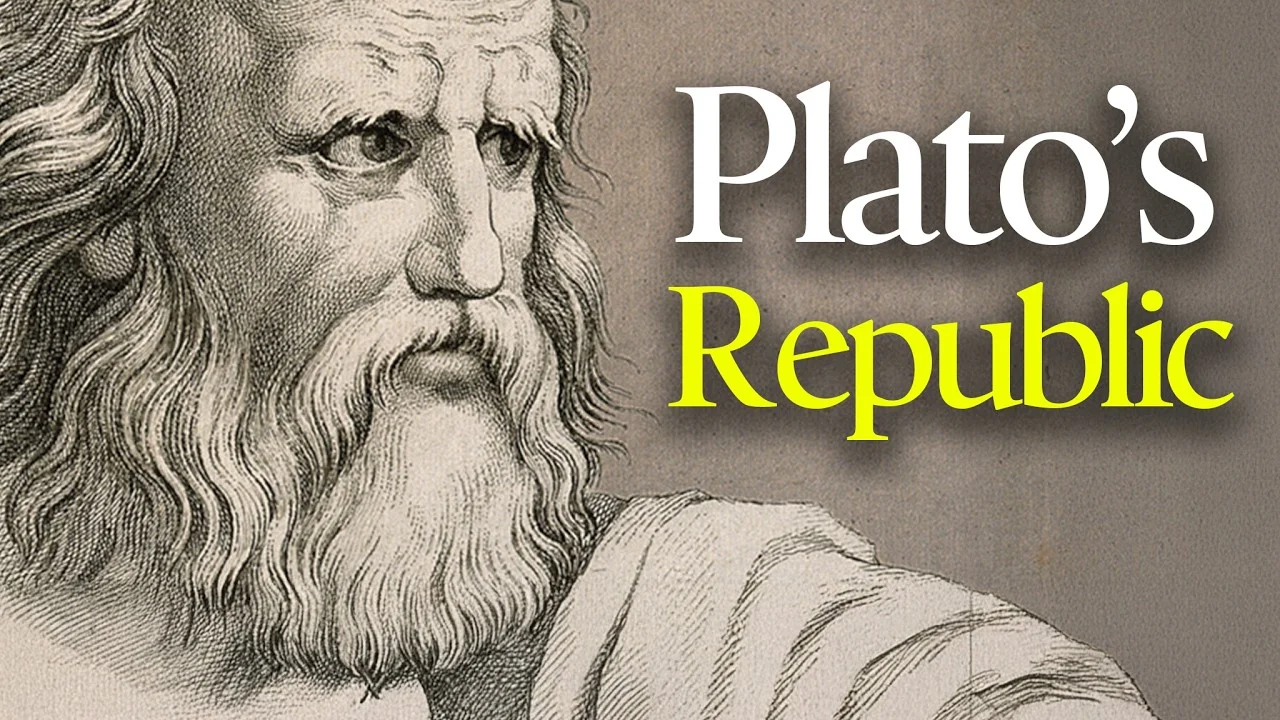
College freshmen today might not find literature shocking. Yet some texts still resonate deeply with them, even those dating back over two millennia. Plato’s Republic stands out as a significant work that disrupts ingrained political beliefs of contemporary students, particularly within the developed West. Many students adhere to these beliefs without fully articulating them, but encountering Socrates' arguments for a society governed by a knowledgeable elite compels them to reconsider their positions. As they grapple with his ideas, they often find themselves in a unique intellectual struggle, one that still shapes modern discourse.
The Impact of Socratic Thought on Modern Students
The challenge posed by Plato's writings isn't merely academic; it’s personal and philosophical. Today’s students often arrive at college with a set of beliefs molded by their upbringing, social media, and current political climates. They might have strong opinions on democracy, freedom, and fairness. Yet, when faced with Socratic dialogues, which question the very foundation of governance, they’re invited to rethink those foundational ideas. Many experience cognitive dissonance as Socrates dismantles their preconceived notions, forcing them to examine the legitimacy of their values. This philosophical friction could very well be more transformative than classroom lectures on political theory.
Peering into Platonic Idealism
Plato’s idealism is striking and timeless. Rather than presenting a practical guide akin to Machiavelli’s work, Plato employs Socratic dialogues to illuminate the fundamental characteristics of existing societies. He presents a vision of the relationship between rulers, state, and individual that fosters critical analysis instead of providing a straightforward blueprint for governance. The philosopher-king concept, for instance, isn’t just about who should rule; it's about what it means to govern wisely and ethically.
The irreverence of his ideal state raises questions about the ethics of power and the nature of leadership itself. Are leaders inherently virtuous? Do they embody knowledge that endows them power, or are they as fallible as the common man? These questions are central to political discourse today, and they echo through centuries of thought—underlining that the appeal of Plato extends beyond mere theory into the realm of practical ethics and morality.
The Skepticism Toward Democracy
The debate around democracy often leans into skepticism, with Churchill’s observation that it’s “the worst form of Government except for all those others that have been tried.” This sentiment leads many to shy away from examining more ideal governance models, which could serve to temper the idealization of democratic processes. It's tempting to dismiss Plato's utopia, especially during heated political philosophy discussions. After all, many would prefer to argue against the possibility of a perfect state than engage with its deeper implications. Yet a more nuanced understanding offers valuable insights into both Plato's time and our own. If you’re working in this space, this tension between idealism and real-world governance speaks volumes about our collective struggles with democracy, participation, and ethical leadership.
Key Concepts in Plato's Vision
Jared Henderson's recent 78-minute analysis of the Republic delineates various elements of this envisioned society, including the philosopher-kings, the notion of "noble lies," and the concept of spiritual aristocrats. He emphasizes the importance of broad societal roles, from breeding festivals to the early training of guardians. Some ideas, particularly those related to ethical self-refinement and myth as a persuasive tool, could appear outdated. Yet they remain thought-provoking today. This underscores the tension between ancient wisdom and modern ethics, illustrating how foundational ideas about leadership and morality can reveal much about our current societal dilemmas.
Even for those who see themselves as advanced thinkers—many of whom may occupy seats of authority in various sectors—it’s worth pondering how deeply life experiences and narratives shape our understanding. Henderson’s exploration urges us to reflect on the subtle influences that underpin our beliefs and attitudes. It’s a reminder that challenging preconceived notions is a necessary step in intellectual maturity.
The Legacy of the Republic
Plato’s work has not just persisted through centuries but also continues to challenge and provoke contemporary thought. Engaging with these dialogues is essential for anyone looking to understand the intricacies of governance and the philosophical underpinnings of society. This timeless text can guide us in evaluating our own frameworks and ideologies. The implications extend into modern political arenas, where the principles of leadership and societal organization are still relevant. How effectively we can engage with these themes today may determine our ability to address the pressing issues we face.
Implications for the Future
As we consider the impact of Plato's theories on today’s political environment, it's clear that they raise critical questions about governance, responsibility, and societal structure. The relevance of Socratic thought in a polarized world suggests a persistent need for philosophical engagement. In an age where misinformation and emotional rhetoric often cloud judgment, returning to these foundational texts could provide clarity. They remind us of the importance of wisdom and education in crafting a society that values informed decision-making over popularity and extremism.
Related Content:
Did Plato’s Republic Predict the Rise of Donald Trump?
Why Socrates Hated Democracies
Orson Welles Narrates Animations of Plato’s Cave
Plato’s Dialogue Gorgias Adapted into Film
Seven Philosophy Books for Beginners
Colin Marshall, based in Seoul, writes about cities, language, and culture. Follow him on social media at @colinm.



Discussion
Sign in to join the discussion.