Research shows that strategic pauses and collaborative techniques significantly boost student participation and engagement in classroom discussions.
The Importance of Wait Time
Wait time can have a profound impact on student responses. Research by Mary Budd Rowe highlights that extending pauses after asking questions, even for just a few additional seconds, leads to richer and more detailed answers from students, incorporating reasoning and inferences. This demonstrates a clear link between wait time and the quality of student engagement, as confirmed by various studies indicating that even a 3–5 second pause can encourage broader participation.
But why does this phenomenon occur? When teachers allow for gaps of silence after posing questions, they create an environment that encourages contemplation. Under typical classroom conditions, there’s a rush to respond, which can lead to half-formed thoughts and less articulate contributions. That said, when students are given time to think, they're more likely to connect ideas, formulate comprehensive answers, and even engage in peer discussions. This is more significant than it looks, as fostering a culture of reflection not only benefits individual student contributions but enhances classroom discourse overall.
Interestingly, this approach taps into the cognitive load theory, which suggests that individuals process information in chunks. When a teacher provides even just a few seconds of wait time, it’s akin to giving students a moment to mentally break down and organize their thoughts. Think of it as giving them a chance to gather their ideas before sharing them in a structured way. It's not just about the silence; it’s about what happens in that silence.
Implementing Think-Pair-Share
To enhance engagement further, the Think-Pair-Share technique has proven effective. A 2021 study revealed that incorporating a pairing step before sharing drastically increased hand-raising and overall involvement compared to traditional whole-class questioning methods.
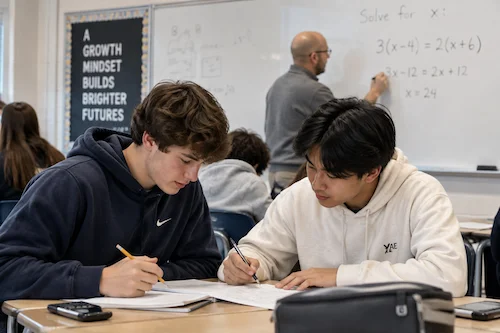
At its essence, Think-Pair-Share allows students to engage at multiple levels. When learners first think about their responses individually, they're afforded a moment to reflect and refine their ideas. Moving to the pair stage, they exchange thoughts, which not only allows for immediate feedback but also engages them in dialogue. Finally, sharing with the whole class provides a richer context as students can present ideas they collaborated on, enhancing the learning experience for everyone involved.
This interaction is vital. If you’re working in this space, you know that merely asking students to raise their hands after a question often results in the same few voices dominating the conversation. Think-Pair-Share levels that playing field. It encourages quieter students, who might be hesitant to engage in large groups, to voice their opinions once they've had a chance to discuss them in smaller circles. This technique reshapes the classroom dynamic, promoting a culture of inclusion.
Covert and Overt Thinking
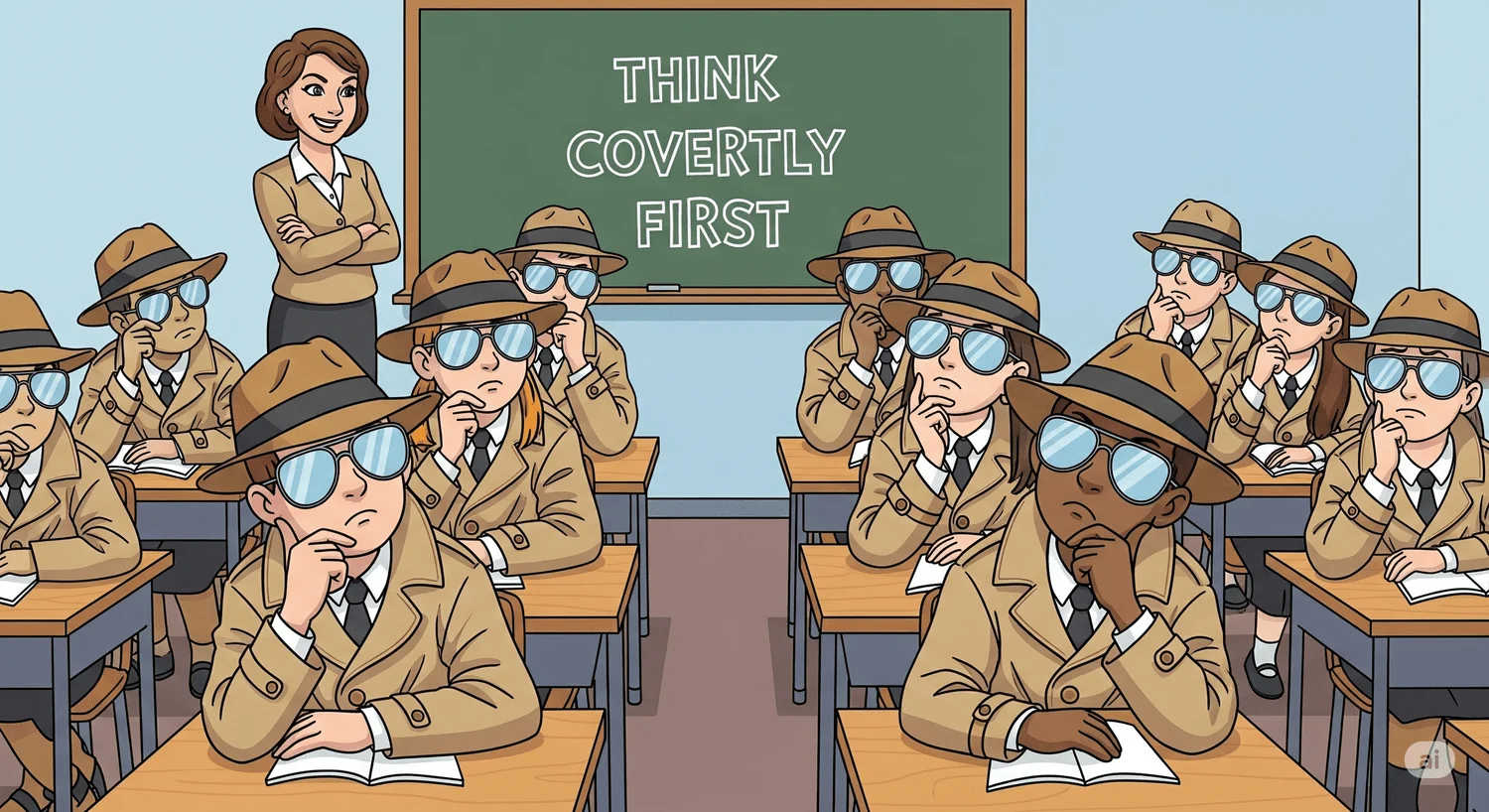
During a recent session with Dr. Carol Lippert, the notion of Think-Pair-Share was described as both covert and overt. This terminology adds an intriguing layer to the process; “Think covertly” transforms the idea of thinking alone into something more engaging. It invites students to envision themselves on a secret mission, holding onto their ideas until it’s time for sharing.
The imagery of a “secret mission” adds a psychological component to the strategy. When students are engaged in covert thinking, they’re not just mulling over answers in silence; they’re positioning themselves as detectives piecing together clues before revealing their findings. This playful framing of the learning process captures their attention, motivating them to anticipate the sharing phase with eagerness. It drives home the concept that their individual contributions are valuable, creating a sense of agency in the classroom.
(And this is the part most people overlook)—the value of psychological ownership in learning. By framing their thinking as covert, students develop a connection to their ideas. And when they transition to overt sharing, there's a collective buzz in the room, where ideas are being tossed around with enthusiasm and engagement.
From Covert to Overt
The strategy encourages students to first engage in covert thinking, followed by overt sharing of their thoughts. This framework fosters a collaborative environment that can lead to deeper understanding and participation.
Translating thoughts from the covert phase to the overt stage is potentially transformative. It isn't merely a step in an instructional process; it's a critical juncture that builds confidence among students. When students see their ideas accepted and discussed, they feel validated. The collaborative nature of this method enhances peer relationships and reinforces a shared community of learners. When ideas are exchanged, the classroom thrives on the collective intelligence of its members.
The implications extend beyond just improved engagement. This dual-layered approach to thinking not only deepens comprehension but can also relate distinctly to real-world scenarios. Students are translating their theoretical knowledge into practical skills. This connection is vital, as it prepares them for situations outside the classroom, where teamwork and sharing different perspectives are essential.
Implications and Future Outlook
As educators and administrators assess teaching methods, the impact of wait time and collaborative strategies like Think-Pair-Share should not be underestimated. The practices here reflect a shift towards more democratic classrooms where each student’s voice is amplified. In an era where engagement metrics are critical, such methodologies become critical levers for improving student participation.
The future lies in understanding that education is not just about transferring knowledge; it’s about fostering an environment where students learn to synthesize, evaluate, and communicate effectively. If implemented widely, these techniques can reform classrooms into dynamic spaces that prioritize thoughtful dialogue and diverse perspectives, leading to a generation that’s not only knowledgeable but also capable of critical thinking.
In essence, recognizing the significance of wait time and student interaction could prove to be what separates traditional, passive learning from a more engaged, thoughtful educational experience.


Discussion
Sign in to join the discussion.