K-12 education in 2026 prioritizes AI integration, student engagement, and career readiness, focusing on sustainable practices amidst evolving challenges.
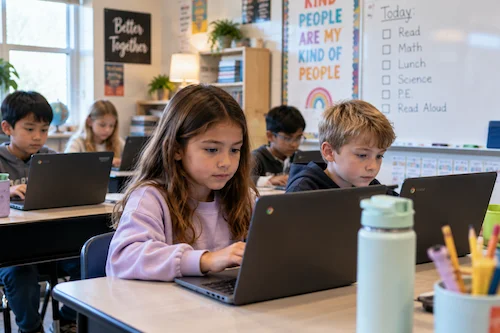
As the 2026-27 academic year unfolds, K-12 educational leaders are adjusting to a rapidly shifting environment characterized by technology adoption and enduring academic challenges. Central to many discussions is artificial intelligence, which is transforming from a novelty to an essential educational tool. The focus now is less on mere integration of AI and more on understanding its real benefits, responsible usage, and the necessary support for both students and educators.
Schools face an array of ongoing challenges: cybersecurity threats, high rates of absenteeism, engaging students, managing increasing workloads for educators, and deep-seated achievement gaps. The urgency around digital accessibility, data privacy, and career readiness is amplifying, emphasizing the necessity for students to develop skills for a future shaped by AI. Experts anticipate that this year won't just be about the latest tech and fads, but about the effectiveness of leveraging past lessons and new technologies to create lasting educational improvements.
Focusing on Effective Literacy Practices
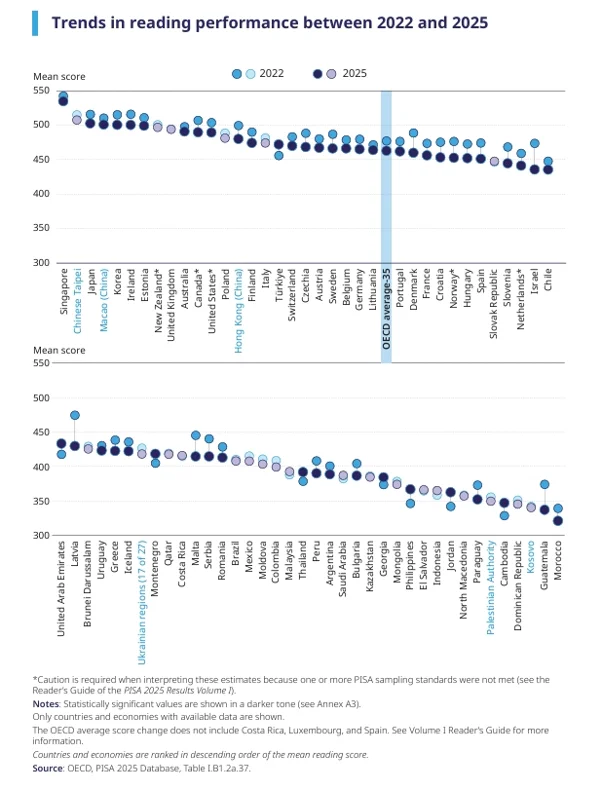
During this school year, as structured literacy gains traction across various states, many students are likely to experience stagnation in reading achievement by third grade. While implementing phonics instruction in early grades is crucial, it doesn’t guarantee that all learners become proficient readers. Many students require tailored, systematic practice to develop fluency alongside decoding skills and comprehension. For educators, having access to the right technology and support for this purpose is vital. This will enable them to deliver effective reading instruction and build their capacity for successful outcomes.
– Dr. Carolyn Brown, Chief Academic Officer and Co-founder of Foundations in Learning
Strategic Investments Amid Funding Constraints
With enrollment figures declining and budgets tightening, school districts are compelled to be more intentional with their investments. Effective tools and initiatives must be sustainable and scalable, extending the capabilities of current staffing rather than adding complexity. Technologies that amplify existing educational resources are essential for making the most out of limited finances without sacrificing quality.
– Adam Geller, CEO of Edthena
Rethinking Technology’s Role in Learning
Schools are embracing distraction-free environments, shifting the discourse from technology presence to its role in enhancing learning experiences. Students must learn to apply technology purposefully, and it’s crucial to select well-designed tools that facilitate this process. Effective classrooms will integrate technology thoughtfully, connecting students with real-world applications, thus rendering learning more relevant and engaging.
– Jill Hedrick, CEO of Vernier Science Education
AI as an Invaluable Tool for Personalized Learning
The transition of AI into more routine educational practices signals a significant change in how learning is personalized. Improved safety standards allow AI applications to assist educators in identifying learning gaps and adapting lessons promptly. Rather than replacing traditional pedagogy, AI serves as a supportive tool, empowering teachers to offer customized assistance to each student.
– Tim Klan, Administrator of Information and Instructional Technology at Livonia Public Schools, MI
Emphasizing Real-World Learning Experiences
By 2027, K-12 classrooms are expected to shift back to in-person education, in line with screen-time regulations. This change will promote project-based learning and experiential activities that allow students to engage actively. AI will find its strongest applications in contexts that support, rather than substitute, essential teaching and human interaction.
– Chris Klein, VP North America, Photon Education
Addressing Workforce Shortages through CTE Programs
The ongoing shortage of skilled workers in critical sectors like technology, healthcare, and engineering necessitates collaboration among schools, communities, and businesses to expand Career and Technical Education (CTE) initiatives. Conversations around investment and partnerships in CTE programs will be pivotal in preparing students for future careers.
– Dusty Moore, CEO of iCEV
Mitigating Absenteeism and Fostering Community Trust
Urban school districts may continue facing rising absenteeism and enrollment drops. This situation underscores the need for enhanced counseling services and community engagement initiatives. Building trust and providing culturally responsive support are essential for creating better outcomes for students. Additionally, the emergence of Latino leaders within education is anticipated to contribute positively to student success and representation.
– Ulysses Navarrete, Executive Director of ALAS
Preparing for a Clean Energy Future
The surge in demand for clean energy solutions will likely be central to educational focuses in 2027, responding to the electricity needs of burgeoning sectors. Schools will play a critical role in closing the “clean energy workforce gap” by embedding renewable energy education within STEM curricula. Engaging students in hands-on projects related to clean energy will serve both educational and vocational purposes.
– Remy Pangle, Executive Director of KidWind
Enhancing STEM Learning with Immersive Technology
The next decade will see STEM job growth outpacing other sectors, prompting schools to prioritize supporting STEM instruction through advanced tools. Technologies like virtual reality can transform learning by making hands-on experiments accessible without traditional lab constraints. As immersive learning solutions gain traction, educators will increasingly integrate virtual experiences into their curricula to nurture future STEM leaders.
– Gillian Rhodes, Chief Marketing Officer, Avantis Education


Discussion
Sign in to join the discussion.