Explore the intersection of literature and music with curated playlists featuring jazz and classical pieces from Haruki Murakami's novels.
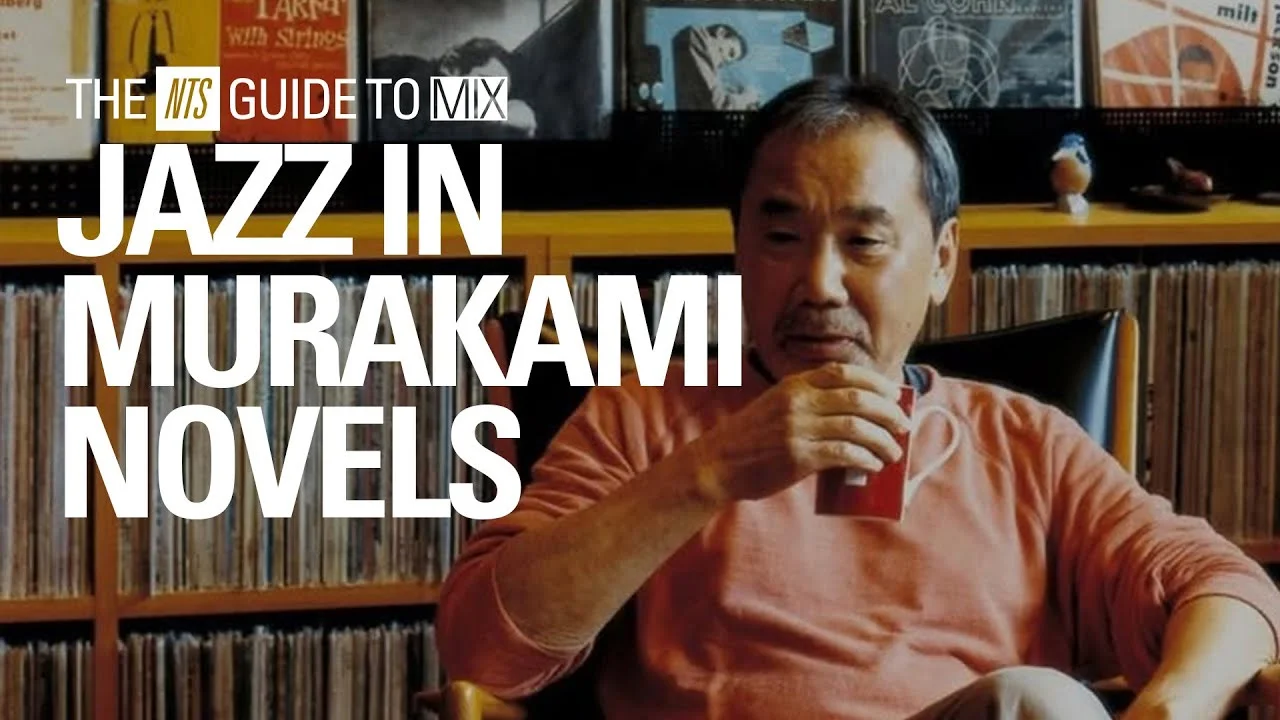
Before establishing himself as a renowned novelist, Haruki Murakami managed a jazz bar in Tokyo, ingraining a rich musicality into his storytelling. This aspect of Murakami's life is often overlooked but is incredibly significant. Managing a jazz bar not only exposed him to a diverse array of musical styles but also laid the foundation for the deeply lyrical and often melancholic tones found throughout his literary works. Music serves as more than just an aesthetic choice in his narratives; it often becomes a character in its own right, influencing the emotions and experiences of his complex protagonists.
The Soundtrack of Murakami's Literature
Thanks to NTS Radio, fans can now immerse themselves in two carefully curated playlists that compile nearly five hours of the jazz and classical music woven throughout Murakami's literary landscape. This is an ingenious initiative that blends the auditory with the literary, allowing readers to experience the moods and themes of his novels on a whole new level. Featured artists include iconic figures such as John Coltrane, Bill Evans, and Thelonious Monk, alongside classical luminaries like Schubert, Liszt, and Mozart. These tracks aren’t just background noise; they enhance the literary journey, amplifying emotional depth while providing an aural context that mirrors the author's intent.
What this means for you as a reader is that engaging with Murakami's novels now comes with an added layer. You're not just reading; you're experiencing. The soundtracks can evoke nostalgia, yearning, and even the surrealist elements often found in his storytelling. As you traverse through narrative landscapes littered with magical realism, the music enriches the ambiance and brings the text alive in a way that mere words alone might not. This is an intelligent crossover of media that not only caters to Murakami's existing fan base but also opens doors for new readers who may be more inclined to explore his work through music.
Enhancing the Reading Experience
Consider enhancing your reading experience by selecting a Murakami novel and letting these melodies serve as a captivating backdrop to the narrative. His novels often hinge on existential themes, love, dreams, and the intricacies of human emotion. The integration of music within his fiction does more than just create atmosphere; it permeates through the fabric of the narrative, deepening readers’ understanding of the characters and the often-painful realities they navigate. The plots of his novels can feel almost like jazz improvisations—fluid, unpredictable, and deeply reflective of human experience.
To truly appreciate this, you might start with a book like "Norwegian Wood," where the bittersweet tones of jazz can reflect the nostalgia and heartache that permeate the storyline. The haunting melodies resonate with the longing felt by the characters, creating a synergy that can elevate your emotional engagement with the text. (And this is the part most people overlook) — that music has the power to evoke feelings and contexts that enrich our understanding of a story, often bridging gaps that simple prose cannot.
A Unique Perspective on Fiction
Diving into the sound of Murakami's world means more than just reading a collection of stories; it’s an invitation to engage with a unique tapestry of sound and narrative. Each note played in his carefully curated playlists can serve as a reflection of the internal worlds depicted in his works. If you're working in this space, whether it’s literature, music, or both, what you take away here is the sheer power of interconnectivity among different forms of art. It solidifies the idea that storytelling isn’t restricted to one medium; rather, it can thrive when different artistic elements come together.
Such curated experiences are becoming increasingly popular. Modern readers are looking for more than just traditional forms of engagement; they want multimedia experiences that enhance their understanding and enjoyment. This is particularly relevant in today's digital age, where content consumption is more varied and expansive than ever. Offering an audio accompaniment to literature is an effective way to attract a diverse audience and keep them engaged. This type of initiative also suggests a growing trend in how literature might evolve alongside technology, combining various art forms to create a more immersive experience.
Implications for Readers and Writers
What does this all mean for the future of reading and writing? For readers, it opens a pathway for a richer, multi-sensory experience. Imagine walking through a literary narrative while simultaneously being enveloped by music that reflects the rhythm of the story. For writers, it presents opportunities to think outside the box, to consider how themes in their work might resonate with various forms of art. Perhaps more authors will look into blending audio, visual, and textual storytelling to create layered narratives that appeal to broader audiences.
While some might argue that such approaches detract from the written word, a closer look reveals a compelling argument for their integration. The challenge remains in achieving a balance where music enhances rather than overshadows the story. It's a delicate dance, but one that could redefine how we interact with literature. As readers seek deeper connections, the importance of multi-layered storytelling is likely to grow.
In conclusion, Haruki Murakami's relationship with music transcends simple accompaniment; it shapes and informs his narrative worlds. His collaboration with NTS Radio to create these playlists stands as a testament to the lasting impact of jazz and classical music on his storytelling. As you explore these selections alongside his works, you’re encouraged to reflect on how music influences your experience and perception of poetry and prose.
Haruki Murakami’s Daily Routine: Up at 4:00 a.m., 5–6 Hours of Writing, Then a 10K Run
Haruki Murakami Translates The Great Gatsby, the Novel That Influenced Him Most

Discussion
Sign in to join the discussion.