Wendell Berry questions conventional views on work and education, urging a focus on meaningful employment rather than mere academic success.
Wendell Berry's perspectives continue to resonate within educational discussions, especially regarding how we define and prepare students for "good work." As the conversation around meaningful employment intensifies, it’s crucial to rethink what constitutes productive output and how that ties into education.
Berry's Critique of Modern Work
In a letter addressing the concept of a 'shorter workweek,' Berry articulates a nuanced view about work, arguing that merely reducing hours doesn’t solve the underlying problem of bad work. He contends that many jobs created in our industrialized world are not fulfilling, often being described as meaningless or even harmful to society. This reflects a broader conversation about the value we assign to work and how it aligns with individual vocation.
Berry believes that the notion of vocation—the idea that each person has a calling suited to their gifts—provides a foundation for what constitutes 'good work.' He raises essential questions: What defines the work we do? Are we genuinely engaged in our tasks, or are we merely fulfilling obligations for financial survival?
Education's Role in Preparing for Good Work
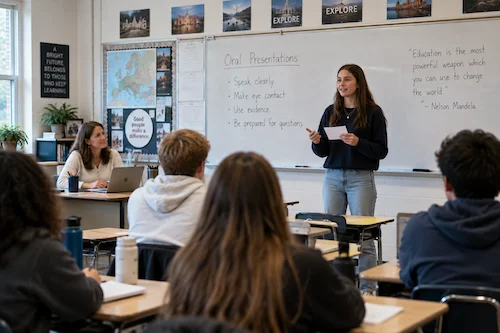
This raises an urgent question for educators: Are we equipping students for 'good work' or simply for proficiency in academics? While outcomes-based education emphasizes standardized learning metrics, it often overlooks the need for students to connect their education with their future vocations. The challenge lies in bridging the gap between academic fluency and the skills necessary for meaningful work.
Berry’s point is not merely theoretical; it has practical implications for curricular design. If education prioritizes critical thinking, creativity, and connection to real-world applications, then it may better prepare students to engage in work that they find fulfilling. But how do we transition from outcome-driven education to a structure that genuinely nurtures personal and vocational growth?
The Question of Value in Work
Berry questioning of what we consider 'good work' prompts deeper examination of our values around employment. Are organizations fully utilizing the potential of their workers? This calls for reflection not only from employers but from educators who shape the next generation of professionals.
Moreover, organizations need to recognize the ecological, social, and personal impact of work. If we ignore these factors, we risk falling into the trap of believing that all work is necessary and valuable simply because it exists. Berry challenges this assumption and urges us to consider how we define work's worth based on its contribution to both individuals and society.
Rethinking Work-Life Balance
In discussing work-life balance, Berry highlights the flawed perceptions underlying commonly discussed solutions, like a 30-hour workweek. He expresses skepticism about whether achieving this balance would simply lead to new forms of distraction during one’s personal time. The risks of displacing work obligations with superficial activities could lead to genuinely neglecting personal and societal needs, further complicating individuals' relationships with both work and life.
Berry then points out the reality of the job market: the economic structure often seeks to minimize the need for human employees, opting for automation instead. This shift raises critical questions about future occupations and what role individuals will play in contributing to necessary labor for societal benefit, such as ecological restoration and community service.
Moving Beyond Short-Term Solutions
The education system and job market need to foster a connection between personal fulfillment and professional engagement. Rather than merely shortening work hours under the guise of improving quality of life, there must be a concerted effort to identify, nurture, and create 'good work' opportunities. This is essential not just for individual satisfaction but also for the health of our communities and ecosystems.
In essence, Berry’s thoughts on vocation and work underscore the importance of aligning individual skills and passions with the needs of society. This can lead to a not just a fulfilling work environment but a more meaningful educational journey that reflects our collective aspirations. By focusing on cultivating the potential for good work, we can better equip the next generation for their roles in a changing economic landscape.
Wendell Berry’s views provide a critical lens through which to evaluate how we shape our educational systems and their outcomes. As we consider our approaches to work and life, let’s ensure we’re promoting not just competency but also a profound sense of purpose in our students.
— Wendell Berry, Port Royal, Kentucky
This letter originally appeared in The Progressive (November 2010) in response to the article “Less Work, More Life.”


Discussion
Sign in to join the discussion.