AI has transformed how educational sessions are recapped, enabling quick summaries that enhance the learning experience for educators.
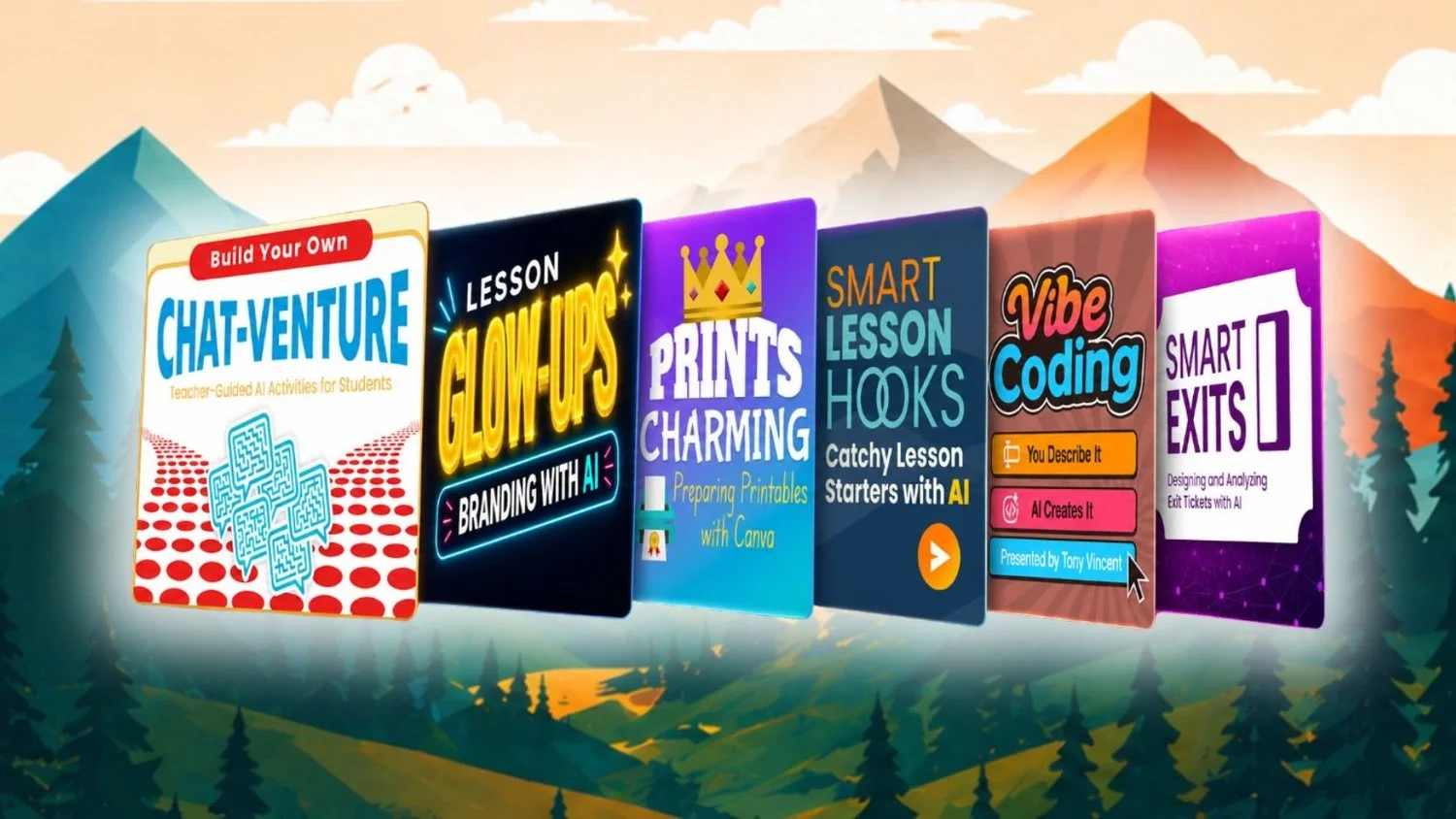
Since its inception in 2006, the Arizona K-12 Center's Camp Plug and Play has kept pace with educational technology trends, evolving from handheld devices to online collaboration. Aimed at educators, this program has continually adapted to technological advancements, offering sessions that reflect current best practices and tools in education technology. This year, Camp Plug and Play 20.0 underwent a significant transformation, transitioning to a virtual format. This shift not only broadened the reach of the event but also allowed educators from different regions to participate in valuable, tech-focused sessions that might have otherwise been out of reach.
Transition to Virtual Format
The decision to host Camp Plug and Play online is part of a larger trend in educational events that have embraced virtual formats in recent years. The COVID-19 pandemic accelerated the adoption of online learning platforms, with educators and institutions seeing the potential to connect and collaborate irrespective of geographical barriers. By moving to a virtual format, Camp Plug and Play can tap into a more diverse audience, welcoming educators from various districts and states who may have some invaluable insights to share.
This shift also comes with challenges. Many educators may find it difficult to engage in virtual settings as effectively as face-to-face interactions. However, the innovative strategies employed—like the integration of artificial intelligence—demonstrate that it’s possible to hold impactful sessions even in a digital format.
Integrating Technology into Lesson Plans
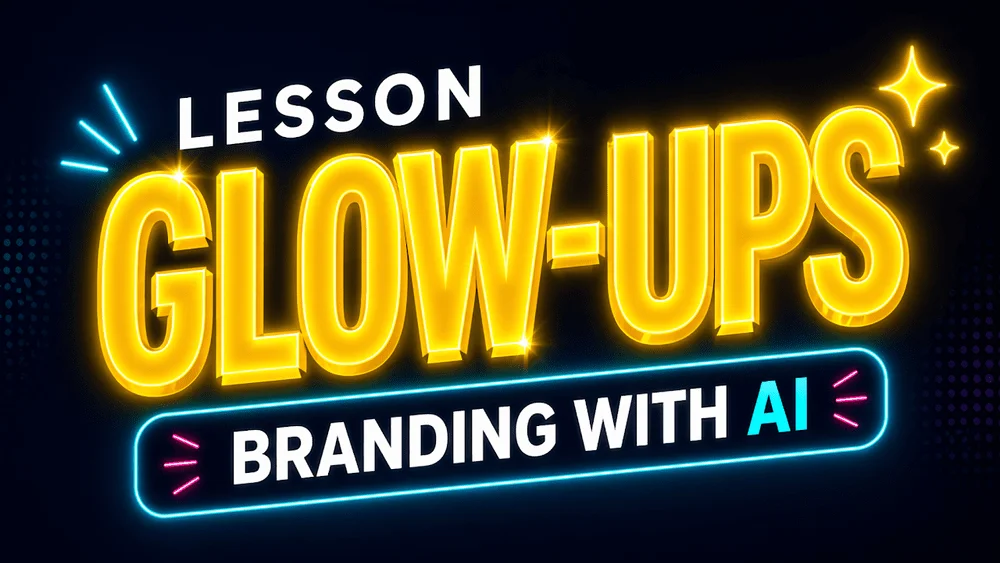
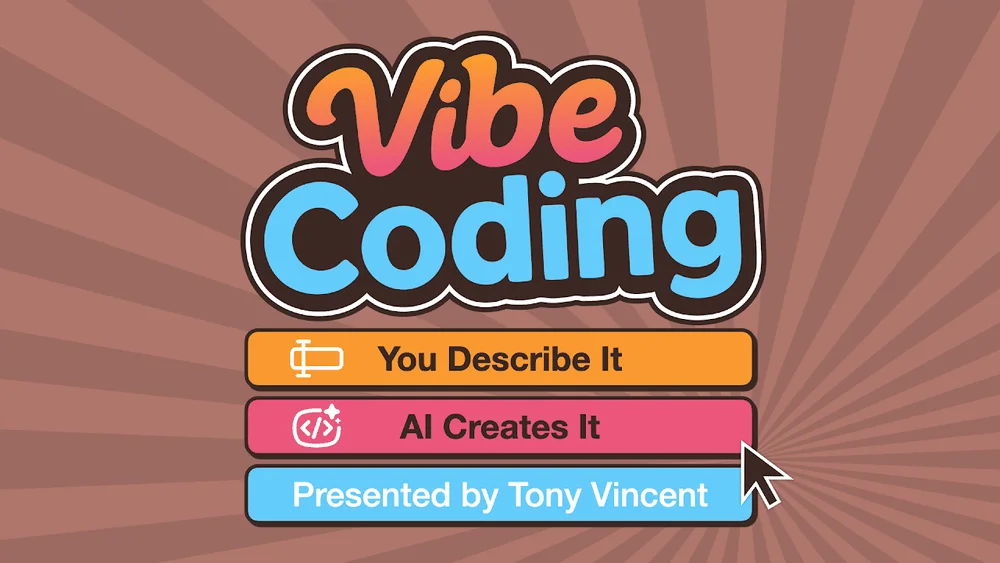
During the event, I had the privilege of leading six sessions aimed at integrating technology into lesson plans. These sessions draw on the wealth of digital tools now available to educators, highlighting how their use can enhance student engagement and learning outcomes. The increasing accessibility of technology presents teachers with new ways to bring their curriculums to life and better meet their students' diverse learning needs.
There’s a tendency to overlook the challenge of proper technology integration. It’s not just a matter of having the latest gadgets; effective integration requires planning and training. So, the focus on practical, tech-driven methodologies at Camp Plug and Play is critical for empowering educators.
Utilizing AI for Enhanced Learning
As part of this year’s sessions, I experimented with AI to generate post-session recaps. This isn't just a nifty trick; it represents a significant shift in how educators can manage their materials and communications. Using tools like ChatGPT, I was able to save a substantial amount of time, ensuring that the content was both accessible and informative for all educators, regardless of whether they attended the sessions.
Instead of spending hours manually reviewing transcripts and synthesizing feedback, I engaged AI to create detailed summaries of my presentations. This approach allowed for instant generation of high-quality articles. By streamlining this process, I could focus more on content delivery and interaction with attendees, which is where the true value of such events lies.
Valuable Insights from Attendees
The exit tickets from attendees offered rich insights into the event’s impact. I invited participants to share what they found most valuable, prompting reflections with phrases like, "I used to think ____, but now I know _____." This not only cultivated a learning environment but also captured the essence of attendees’ learning journeys. The feedback fueled discussions on how technology reshapes perceptions and practices in education.
This real-time feedback loop is vital for refining future sessions. It highlights that while technology serves as a tool, the outcomes hinge on how those tools are employed and the pedagogical strategies in play. Understanding these perspectives strengthens the planning of upcoming events and ensures that they address the evolving needs of educators.
Streamlining the Transcription Process
Recording sessions via my iPhone simplified the transcription process. Rather than using conventional tools that can be cumbersome and time-consuming, this method pushed clear audio directly into AI transcription. The efficiency of this approach cannot be overstated. Going from hours of manual work to producing meaningful session recaps and detailed articles in mere minutes significantly enhances productivity.
This is the part most people overlook: the technology behind the technology. Educators often have access to tools but may not know how to maximize their effectiveness. By showcasing these practices, events like Camp Plug and Play can function as educators’ guides, arming them with the skills to fully exploit technological advancements.
Implications and Significance
The integration of AI in educational settings raises important questions about the future of teaching and learning. If you're working in this space, recognizing how to effectively use AI can set you apart. The approach I took not only improved efficiency; it also ensured that valuable insights and methodologies are preserved for future reference, leaving a lasting impact long after the event itself.
AI's role in education won’t just be a fleeting trend; it’s a testament to how technology can simplify processes while enriching educational practices. As virtual events continue to gain traction, the ability to adapt and iterate on such techniques could shape how educators engage with technology in the classroom.
Ultimately, the positive outcomes of Camp Plug and Play highlight that while challenges remain in the educational technology arena, there’s tremendous potential for growth. Harnessing these tools means embracing change and continuously seeking better ways to support educators and students alike.


Discussion
Sign in to join the discussion.