Hidden Valley's microschool success highlights a need for educational systems that foster deep, sustainable innovation in public schools.
By: Katie Martin and Devin Vodicka
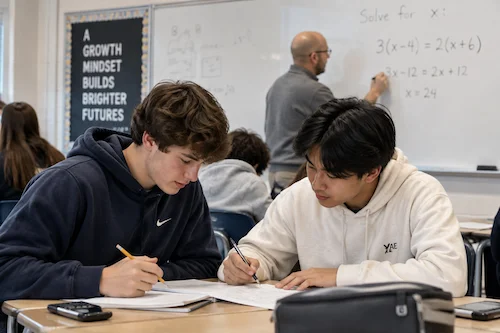
All photos are courtesy of Learner-Centered Collaborative
In December 2025, the California Collaborative for Educational Excellence introduced its Secondary School Redesign Pilot Program, designating Hidden Valley Middle School in Escondido as a model site for other schools to observe and learn from.
What sets Hidden Valley apart is its unique “school within a school” model— a public microschool that operates without needing a separate facility or a new charter. Approximately half of the seventh-grade population, around 16% of the total school enrollment, is randomly assigned to a team of four dedicated teachers, forming a self-contained microschool embedded within the existing campus.
Launched by Principal Bryanna Norton and her team in 2024, this model addresses the rising disengagement among students and teachers, with the goal of fostering a stronger community ethos that the conventional school schedule has struggled to achieve. Notably, this microschool differs from typical programs such as AVID or GATE in its structured approach, as it adheres to what organizational theorist John Kotter refers to as a dual operating system—an agile structure that coexists with the larger institution to experiment, gather data, and share successful strategies back with the main body.
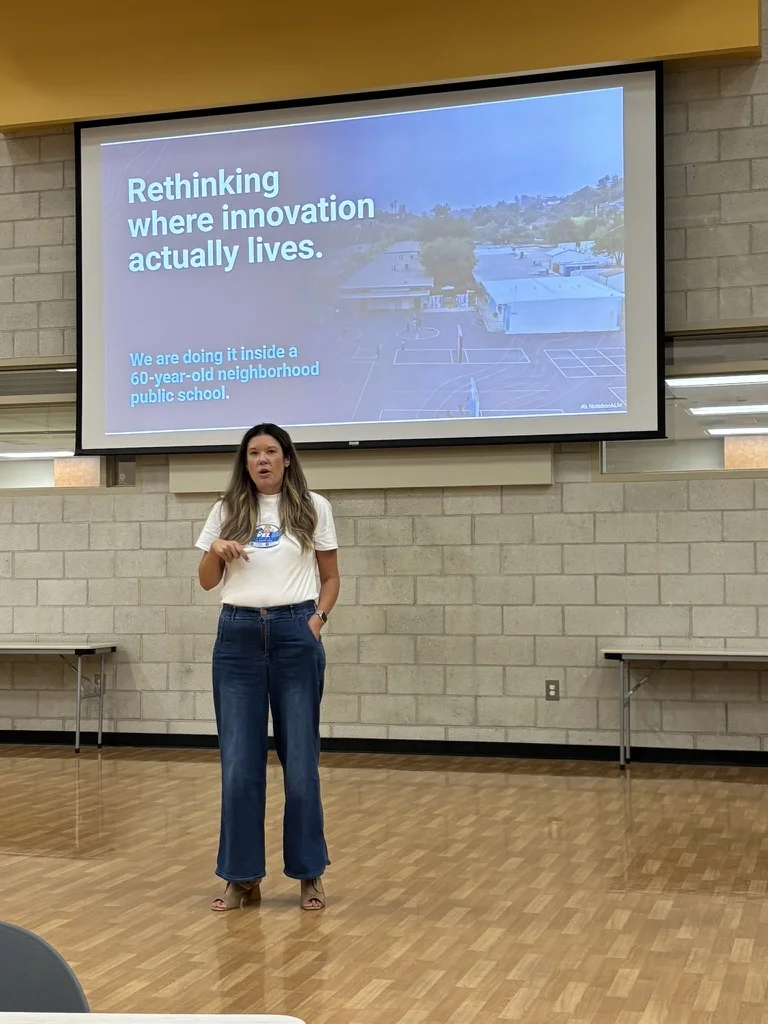
The microschool at Hidden Valley operates independently, featuring its own schedule, staff, student body, and pedagogical model. Teachers form stable “Packs,” working with the same group of students over multiple years. Learning is structured around essential questions relevant to their community, and students take charge of their own exhibitions and conferences, fostering a feedback-rich environment.
Unlike smaller programs that may borrow time from a master schedule, this public microschool functions as a distinct entity, evolving into an innovation lab for broader school practices.
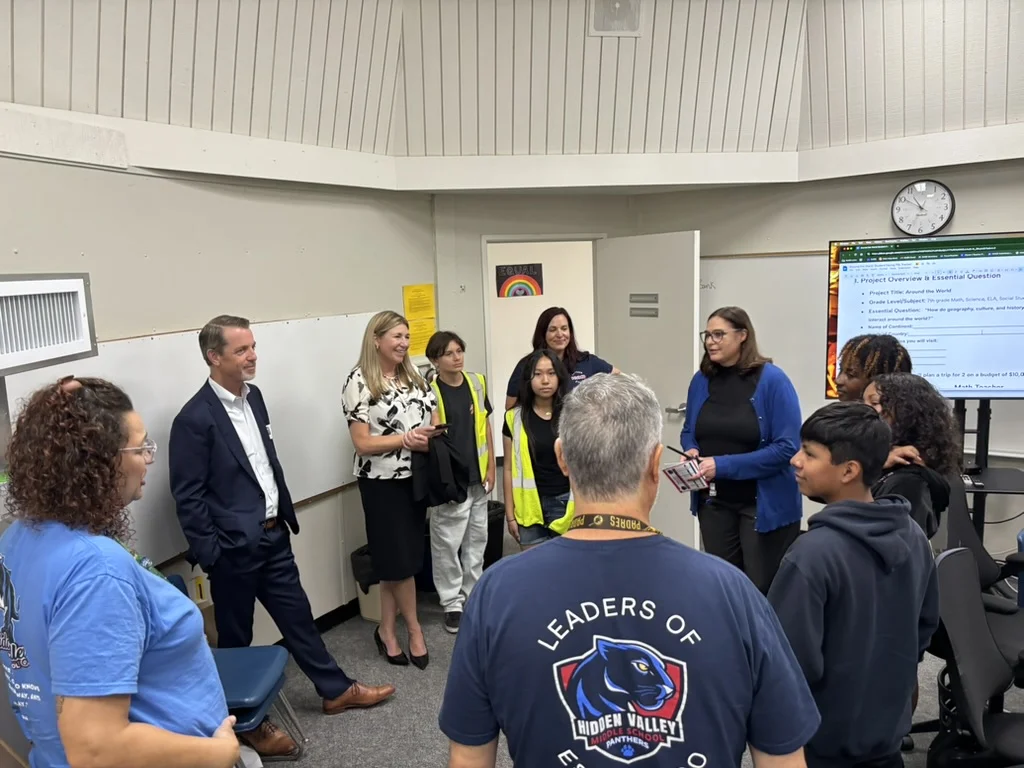
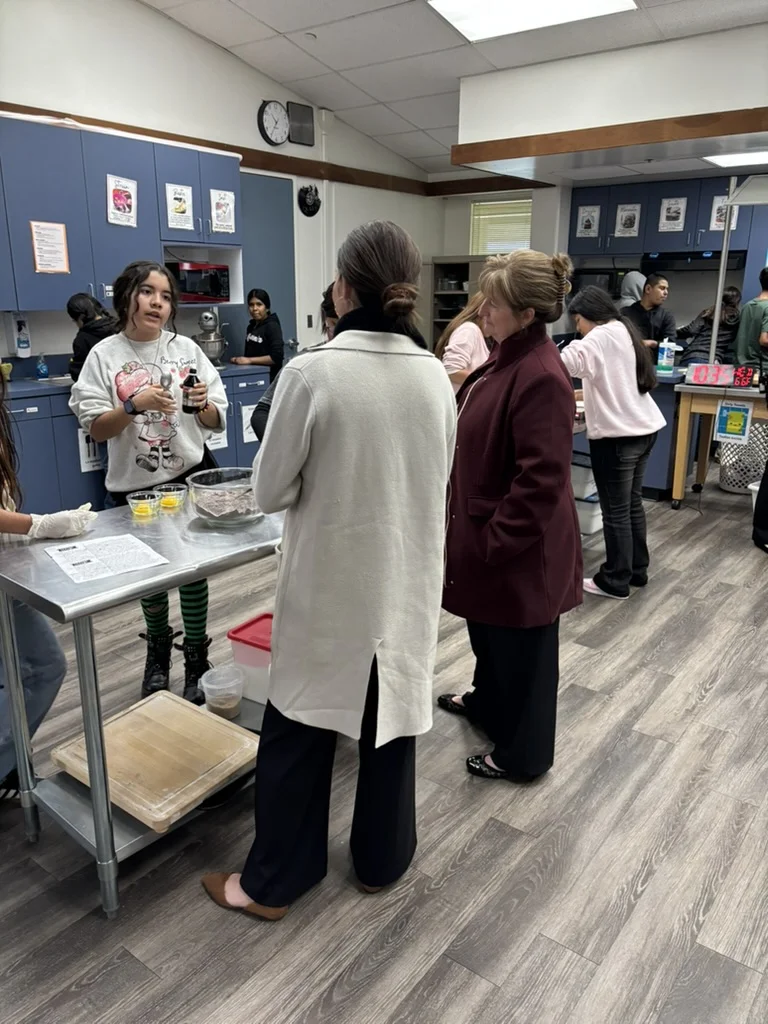
Early indicators of success show that out-of-school suspensions at Hidden Valley have decreased by 60 percent, while chronic absenteeism has dropped by 12 percentage points. This transformation extends beyond the microschool, reflecting a schoolwide replication of effective practices initially trialed in the microschool.
Principal Bryanna Norton notes improvements in iReady assessments in both English Language Arts and math for students involved in the microschool. Gains can be attributed to teachers who are better positioned to recognize when a student is struggling and address issues proactively. These promising outcomes have helped Hidden Valley secure additional funding from Getting Smart’s Learning Innovation Fund, part of the “Big Push for Small Schools” initiative.
For years, educational innovation has often been gauged by highlighting exemplary schools—a unique charter here, a design-forward academy there. However, Hidden Valley’s initial achievements challenge this notion, prompting a reassessment of how innovation should manifest. Instead of merely identifying isolated success stories, it may be time to strengthen public infrastructures so they can generate and embed learner-centered models within their communities.
This capacity-building approach is already manifesting in various parts of California. Backed by the Silicon Schools Fund and organized by Learner-Centered Collaborative, an effort in 2025-26 is guiding five districts in Southern California—Bonsall Unified, Laguna Beach Unified, San Diego Unified, San Marcos Unified, and Vista Unified—through a microschool design process tailored to their specific local challenges.
In San Marcos Unified, Mission Hills High School is crafting a daily Symposium that integrates academic instruction and career preparation while fostering community connections to tackle low belonging and readiness scores.
San Diego Unified is exploring two divergent models. One is based at Innovation Middle School, where students form identity-driven Houses related to career fields, supported by relevant coursework and industry mentorships. Another microschool at Creative Performing Media Arts Middle School emphasizes artistic entrepreneurship, enabling students to leverage digital media for community engagement.
Vista Unified is working on a model at Monte Vista Elementary that promotes strengths exploration and hands-on learning with a culminating entrepreneurship capstone, aligning with pathways that extend through grades five to eight.
Bonsall Unified is creating an elementary framework focused on interdisciplinary STEAAM challenges centered on real-world issues, where teachers transition from direct instruction to facilitative roles, allowing students to assemble competency-based portfolios.
This transformation isn't occurring in isolation. California has broadened the secondary school pilot program for 2026-27, sustained support for community schools, and allocated billions in flexible funding to encourage locally driven redesign efforts, indicating a growing governmental commitment to these initiatives.
The challenge for district leaders, policymakers, and funding bodies is clear: the focus should not merely be on the introduction of new models but rather on investing in systemic frameworks that can nurture and propagate these effective strategies.
The post Empowering Schools to Innovate: The Case for Building Resilient Educational Systems appeared first on Getting Smart.


Discussion
Sign in to join the discussion.