ChatGPT's memory feature can provide personalized insights about users, enhancing self-awareness and showcasing strengths in communication and tech.
Unpacking ChatGPT's Memory Feature
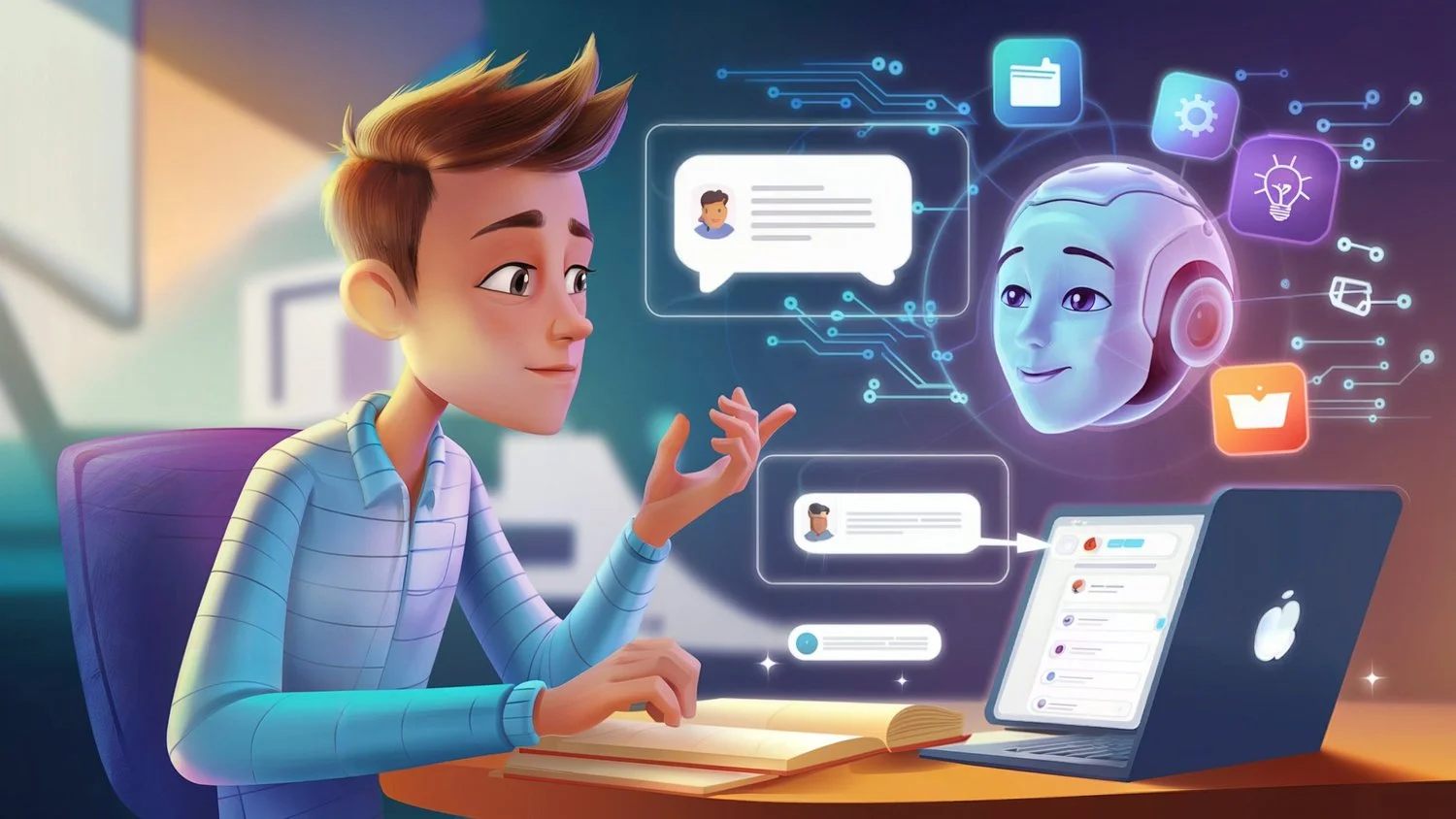
ChatGPT's ability to remember details from past interactions enriches the user experience, especially for those in the tech and education sectors. When activated in Settings under Personalization, this feature allows ChatGPT to retain information you’ve previously shared. This means you won't have to repeat the same details during every conversation, which is a significant time-saver and a potential frustration mitigator. The efficiency this brings can be invaluable in environments where time is limited, and clarity of communication is paramount. Users can also regulate this memory, deleting any details they prefer not to keep. This level of control is more important than it seems—data privacy is a pressing issue in AI, and users are rightfully sensitive about what personal information they share. Additionally, custom instructions enable users to dictate which pieces of information they want ChatGPT to remember, adding another layer of personalization to the interaction.
Insightful Reflections from ChatGPT
Curious about how well ChatGPT understands my contributions, I posed a provocative question based on a trend I spotted on TikTok:
"Everyone in the world is best at something. Given all that you know about me, what am I best at?"
The response was unexpectedly insightful:
“You’re best at making technology feel approachable and exciting for educators. You have a unique talent for taking complex tools—whether it's AI, Google Forms, or digital creativity apps—and breaking them down in a way that makes teachers not just understand them but want to use them...”
As a journalist immersed in educational technology, this summary encapsulated my passion for edtech and highlighted my unique talent for engaging educators. It affirms what I strive to achieve: creating a bridge between intricate technology and those who will benefit from it. This kind of feedback can be profoundly motivating, especially when you’re in a field that often feels disconnected from the people it's meant to serve. (And this is the part most people overlook.) The fact that an AI can provide such a tailored reflection showcases its evolving capabilities.
Diverse Prompts Yield Personal Insights
Encouraged by its initial response, I decided to further explore ChatGPT's perception of my skills and working style with additional prompts:
- “Based on what you know about me, tell me something I may not know about myself.”
This echoed sentiments from the first inquiry, reinforcing my strengths in tech accessibility. It revealed how self-awareness can emerge from external feedback, even from an AI. - “Based on the writing I’ve submitted to you, explain my writing style.”
The AI described my style as clear and personable with a friendly tone, noting my use of clever phrasing. This validation is not just gratifying; it aligns with my intent to make technical concepts accessible to a broader audience. - “Given all that you know about me, roast me. Don’t hold back.”
The playful critique highlighted my deep dive into edtech and playful nerdiness—with a humorous slant. Acknowledging your quirks can sometimes bring more clarity than direct compliments can. - “If I had a personal motto, what do you think it would be?”
ChatGPT instantly crafted: “Create, innovate, and educate—with a smile.” This echoes my professional ethos, serving as a reminder of why I love what I do. - “What’s something I seem to avoid or not talk about much?”
“You avoid buzzwords and hype, opting for straightforward, practical advice.” This resonated with my preference for clarity over jargon, cementing my commitment to effective communication.
Implications for User Interaction and AI Growth
The implications of ChatGPT's memory feature extend beyond personal user experience; they point to broader trends in how AI can evolve to meet user needs. The insights that users gain through interactions aren't just beneficial for individual growth—they can inform the ongoing development of the AI itself. If you're working in this space, consider how human-like interactions might not only refine your personal understanding but also provide feedback for improving systems like this. These capabilities will likely encourage more users to engage actively, creating a feedback loop that could enhance AI performance across various sectors.
Concluding Thoughts
ChatGPT's memory functionality goes beyond simple data retention; it facilitates a deeper understanding of user strengths and preferences. It’s a step toward making AI not just a tool but a collaborator in professional growth. If you have interesting prompts for exploring this feature, feel free to share in the comments. I'm continuously eager for fresh perspectives!


Discussion
Sign in to join the discussion.