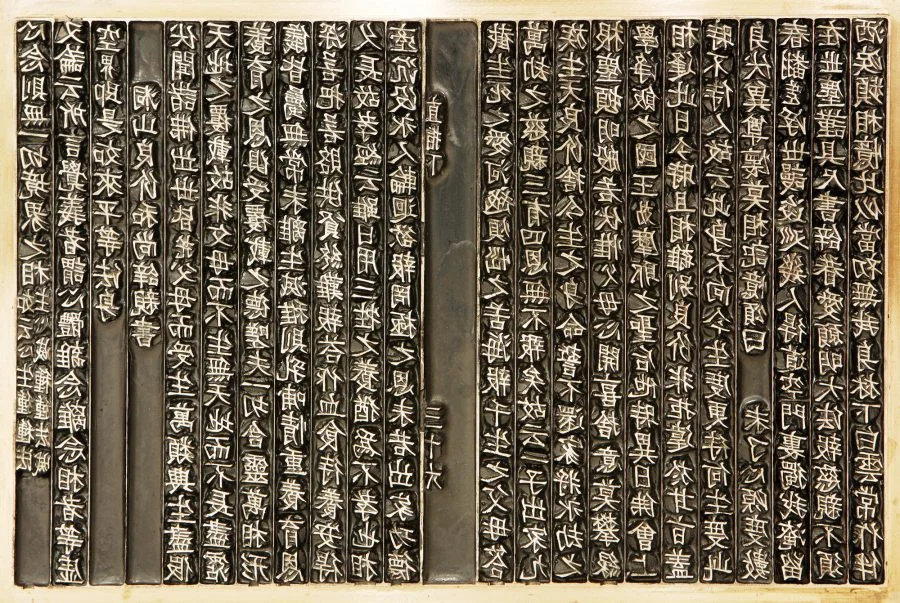
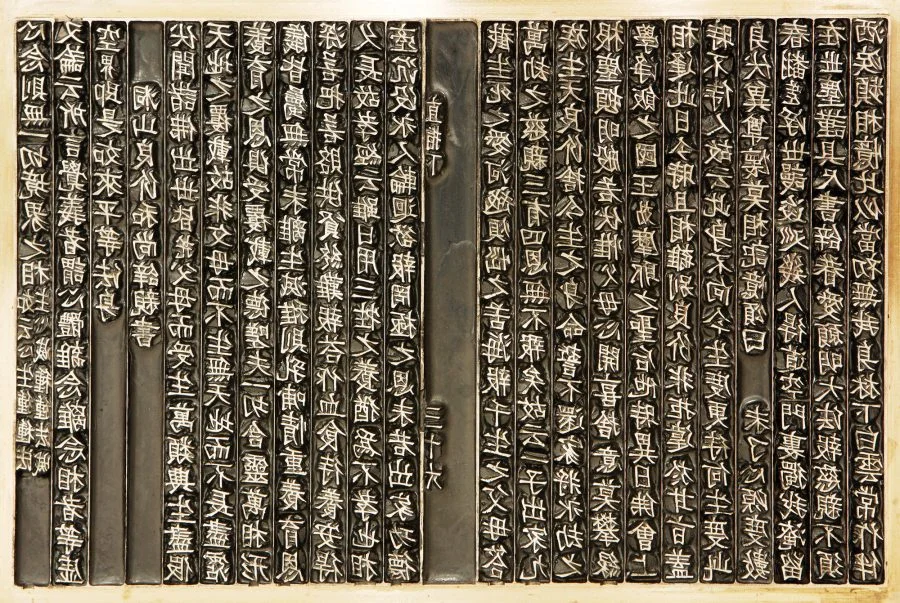
The Jikji, a 14th-century Korean text, predates the Gutenberg Bible and exemplifies the rich history of movable type printing beyond Europe.
A Shift in the Printed Word Narrative
The history of printing is often overshadowed by the Gutenberg Bible, credited as the first significant book produced using movable type. However, this narrative neglects a critical milestone: the Jikji, a Korean collection of Buddhist teachings that not only predates the Gutenberg Bible by 77 years but also stands as the earliest known printed work using movable metal type. This isn't just a trivia fact; it spotlights how Eurocentric interpretations of history can eradicate important non-Western contributions.
Published in 1377 by Seon master Baegun's students—Seok-chan and Daijam—the Jikji challenges the conventional view of printing history. This work encapsulates the essence of printing technology that emerged independently in Asia, well before Gutenberg's contributions. When you consider the depth of that history, it becomes clear that the prevailing narrative misses a complex interplay of ideas and technologies across cultures.
While the Gutenberg Bible, printed around 1454, gained acclaim as a keystone of literary history, the Jikji offers a different cultural and historical perspective, grounding its significance not solely in European civilization but within a larger global story. If you're immersed in the world of printing, the contrast between these two works alters how we think about the evolution of technology—marking a shift in understanding the diverse roots of knowledge sharing.
Tracing the Origins of Movable Type
The origins of movable type can be traced back to 11th-century China, where scholars were already innovating with printing techniques. By 1230, this technology had been refined in Korea under the Goryeo dynasty, which commissioned Choe Yun-ui to create a metal typeface to reproduce the ancient Buddhist text Tipitaka after a devastating Mongolian invasion destroyed existing copies. This earlier use of metal movable type reflects a sophisticated understanding of printing technologies that flourished long before Gutenberg's time.
The subsequent spread of printing technologies across Asia, particularly along the Silk Road, possibly facilitated the eventual arrival of these techniques in Europe, although the specifics remain scant in historical records. Scholars continue to explore potential connections that may link East and West through trade. This is significant because it suggests a global network of idea exchange—not merely a linear progression of innovation. And yet, the nuances often get lost as stories center on individual triumphs, like Gutenberg's.
The Cultural Significance of the Jikji
Recognition of the Jikji has only recently gained traction, even though it has been a source of national pride in Korea for centuries. UNESCO formally acknowledged it as the “oldest movable metal type printing evidence” in 2001, drawing attention to its important role in the history of print. Interestingly, this late recognition doesn't diminish its impact—rather, it underscores the cultural disconnect that has often characterized discussions surrounding the evolution of print technology. This gap in acknowledgment raises questions about whose contributions are highlighted and why.
For those interested, the Jikji is now digitized, allowing scholars and enthusiasts alike to access its teachings and artistry online. This opens new avenues for appreciation and study; it’s not just about the technology, but digging into the Buddhist philosophy that permeates its text, enriching our understanding of both spirituality and historical innovation. If you're working in this space, the digitization of such historical documents is pivotal for interdisciplinary research—spanning technology, religion, and cultural history.
Rethinking Gutenberg's Legacy
While Gutenberg's achievements are undeniably significant—ushering in an era that allowed for rapid information dissemination and transformation in Europe—the narrative that elevates him as the solitary genius overlooks the rich tapestry of contributions from other cultures. As Margaret Leslie Davis emphasizes, the legend of Gutenberg often overshadows other pivotal figures and moments in printing history across different regions. This is a gap that should challenge historians and technologists alike to broaden their scope.
Certainly, Gutenberg's methods gained traction swiftly in Europe, leading to the proliferation of printed material that would drive social and religious movements. This phenomenon created a different kind of momentum, yet contributions from Asia, particularly Korea's advanced movable type technology, demand recognition and respect. The story of printing isn't merely a Eurocentric tale; it's a multifaceted chronicle of invention, resilience, and cultural preservation. If there's one takeaway from this, it's that history needs a more holistic approach to its heroes.
Implications and Future Outlook
Recognizing the Jikji as the oldest extant volume printed with movable type is vital in reconstructing a more inclusive history of printed words. It promotes a broader understanding that might inspire future technologies. As more scholars examine non-Western contributions, the narrative shifts. Printing isn't just about what happened in Europe; it’s a global story rich with diverse influences.
The cultural and technological innovations stemming from Asia complement and enhance our appreciation of Gutenberg's role while illuminating a rich narrative often overlooked in mainstream discussions. As scholars continue to unveil these layers, the global history of printing becomes richer, intricate, and far more interconnected than previously imagined. The lessons here are profound: the past informs the future, and understanding diverse contributions can lead us to more equitable technological advancements.
To explore the Jikji further, visit its fully digitized edition here.
Discussion
Sign in to join the discussion.