A Vox journalist reveals how he memorized Ahab's monologue from Moby Dick using the Memory Palace technique, blending creativity with cognitive science.
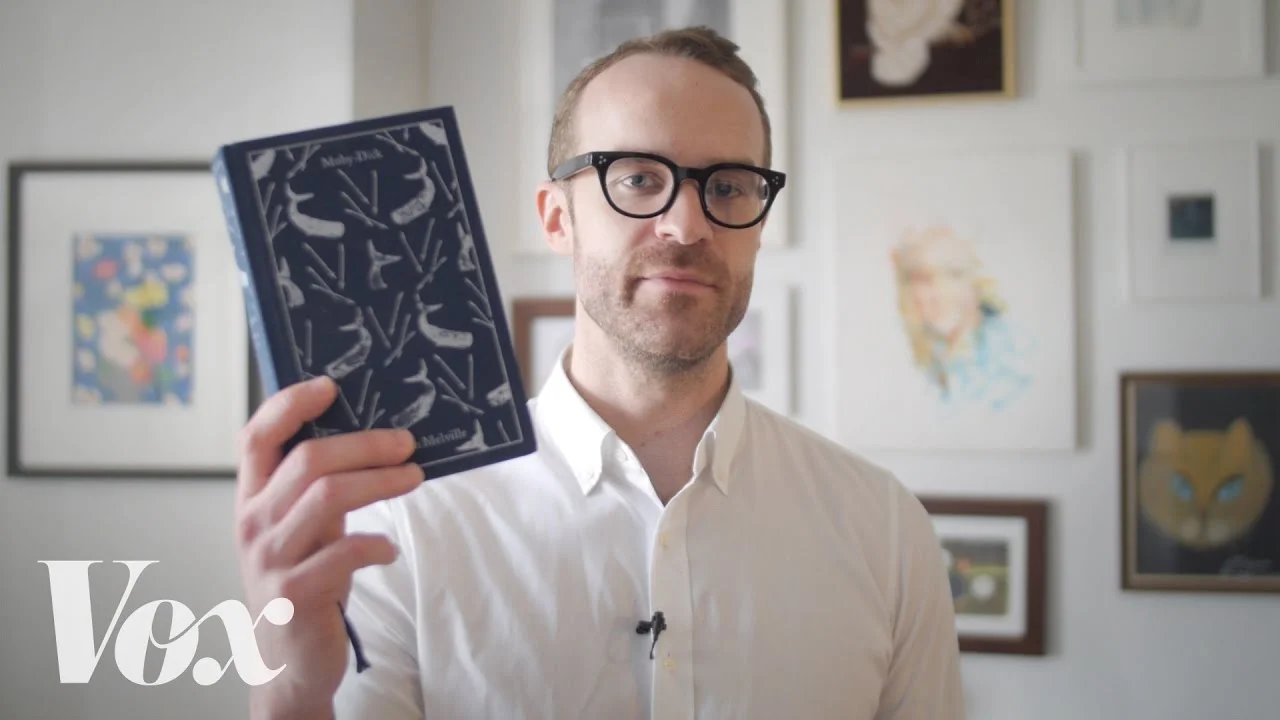
Memory isn't simply an act of recall; it can be an art form. Vox’s Dean Peterson demonstrated this creatively by memorizing a chapter from Herman Melville's Moby Dick using an imaginative method known as the Memory Palace technique. By connecting intricate visuals to specific locations in his own apartment, Peterson transformed the act of memorization into a captivating journey through his cognitive landscape.
The Memory Palace technique, rooted in ancient mnemonic strategies, leverages the brain's spatial memory to facilitate recollection. Peterson, who described having a less-than-stellar memory, embarked on a project to memorize Captain Ahab's monologue from Chapter 37 of Moby Dick. This chapter is notable for its complex language, where Ahab expresses his internal struggles with madness, stating, “I am madness maddened.”
Here's how Peterson approached the process: He began his memory journey at the front step of his home, where he created vivid mental images associated with key phrases from the text. For example, instead of imagining waves lapping against his porch, he visualized a funeral wreath with filmmaker John Waters standing nearby, a connection to “white wake” and “pale cheeks.” This sort of creative pairing proved more memorable than traditional rote memorization, as it engaged both his imagination and memory.
The chapter consists of 38 sentences, which Peterson methodically revisited over several days. He dedicated between three to four hours daily to mentally walk through the visual trail he’d constructed in his memory, observing the quirky images he'd populated it with. While this method required significant time investment, many have reported successes using the Memory Palace for everything from memorizing speeches to preparing for exams.
Critics might argue that spending hours to memorize a single passage seems inefficient, especially when weighed against the benefits of studying for academic exams. However, Peterson's final recitation, performed without prompts, showcased the effectiveness of the Memory Palace method. While he was clearly anxious, his dedication manifested in a performance that, despite its raw edge, delighted his audience.
This technique is not merely a party trick. Authors like Joshua Foer have expounded on its merits in works like Moonwalking with Einstein: The Art and Science of Remembering Everything. In his TED Talk appearance, Foer shares insights into how the Memory Palace, a construct of spatial memorization, helps enhance recall ability significantly. The key is in the bizarre and highly visual connections one makes between the information and spatial cues.
When applying the Memory Palace method, it can be beneficial to infuse real-world significance into the images being created. Peterson's use of eccentric imagery, such as the pale Waters adding a unique twist to his memory construction, underlines the necessity of making mental associations specific and personal. The more absurd or vivid the imagery, the better the retention.
To delve deeper, consider the complete text from Ahab's monologue that Peterson successfully memorized:
I leave a white and turbid wake; pale waters, paler cheeks, where’er I sail. The envious billows sidelong swell to whelm my track; let them; but first I pass.
Yonder, by ever-brimming goblet’s rim, the warm waves blush like wine. The gold brow plumbs the blue. The diver sun—slow dived from noon—goes down; my soul mounts up! She wearies with her endless hill. Is, then, the crown too heavy that I wear? This Iron Crown of Lombardy. Yet is it bright with many a gem; I the wearer, see not its far flashings; but darkly feel that I wear that, that dazzlingly confounds. ‘Tis iron—that I know—not gold. ‘Tis split, too—that I feel; the jagged edge galls me so, my brain seems to beat against the solid metal; aye, steel skull, mine; the sort that needs no helmet in the most brain-battering fight!
Dry heat upon my brow? Oh! time was, when as the sunrise nobly spurred me, so the sunset soothed. No more. This lovely light, it lights not me; all loveliness is anguish to me, since I can ne’er enjoy. Gifted with the high perception, I lack the low, enjoying power; damned, most subtly and most malignantly! damned in the midst of Paradise! Good night—good night! (waving his hand, he moves from the window.)
‘Twas not so hard a task. I thought to find one stubborn, at the least; but my one cogged circle fits into all their various wheels, and they revolve. Or, if you will, like so many ant-hills of powder, they all stand before me; and I their match. Oh, hard! that to fire others, the match itself must needs be wasting! What I’ve dared, I’ve willed; and what I’ve willed, I’ll do! They think me mad—Starbuck does; but I’m demoniac, I am madness maddened! That wild madness that’s only calm to comprehend itself!
Peterson's trial may inspire others to explore this method. Whether for literary passages or vast academic content, the Memory Palace can serve as a powerful tool for enhancing retention and recall. It illustrates the remarkable interplay between creativity and cognitive skill, and perhaps beckons you to construct your own Memory Palace.
Related Content:
Hear Moby Dick Read in Its Entirety by Tilda Swinton, Stephen Fry, John Waters & Others
Play Mark Twain’s “Memory-Builder,” His Game for Remembering Historical Facts & Dates
The Neuroscience & Psychology of Procrastination, and How to Overcome It
Ayun Halliday is an author, illustrator, theater maker, and Chief Primatologist of the East Village Inky zine.
Discussion
Sign in to join the discussion.