Else Marie Pade's transformation from a prisoner of war to Denmark’s first female electronic composer showcases her resilience and innovative spirit.
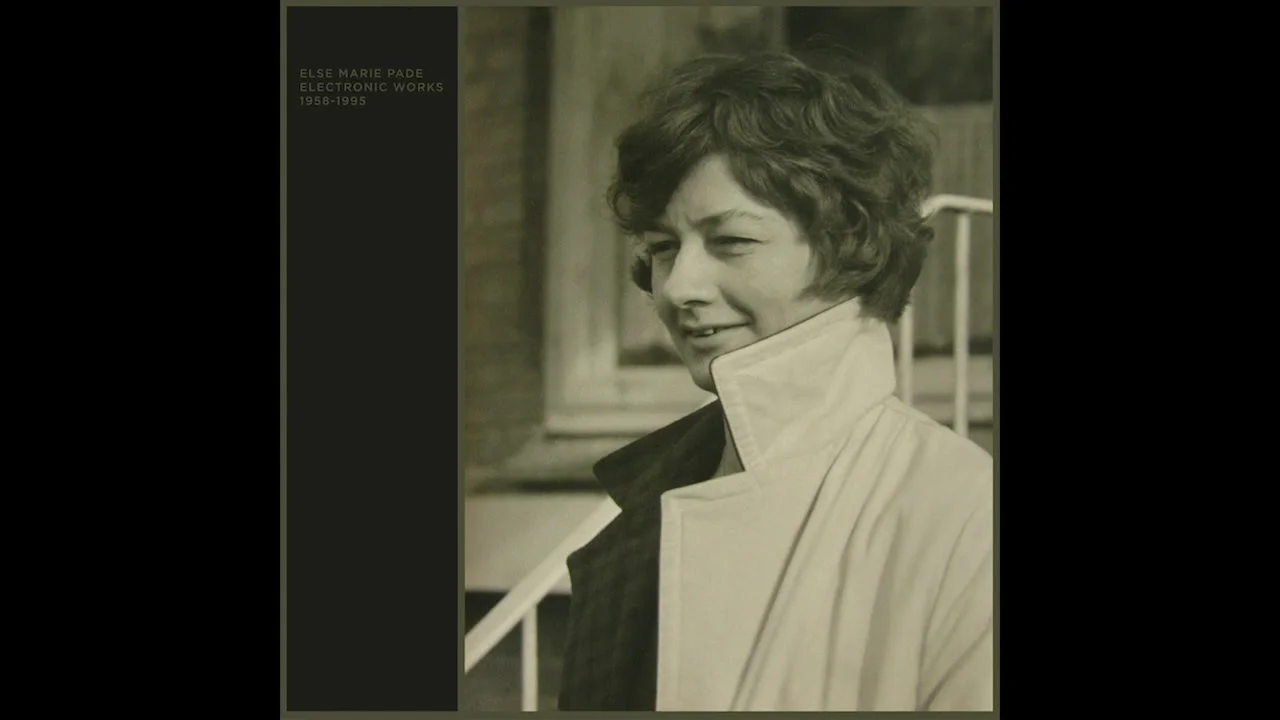
Before venturing into the realm of electronic music, Else Marie Pade faced numerous challenges, starting with her difficult childhood marked by health issues. Prolonged hospital stays due to kidney infections left her longing for the outside world, a longing that arguably cultivated the intense resolve which would define her later years. In a striking reflection of her character, as World War II engulfed Denmark, Pade's youthful defiance shone through when she confronted a column of marching German soldiers by spitting on them, an act that displayed a kind of bravery many would find hard to muster. This display of rebellion quickly led her into the arms of the Danish Resistance, where she not only distributed underground newspapers but also acquired skills for sabotage, showcasing her unyielding dedication to her homeland at a perilous time.
Imprisonment and Transformation
In 1944, however, Pade was captured by the Gestapo, an experience that would forever alter the course of her life. Reflecting on her time in solitary confinement, she described a moment of profound realization: “I screamed out loud in fear and helplessness in my solitary cell — but no one came.” This agonizing moment of despair became a turning point, transforming into a pledge that would guide her future: she promised to dedicate her life to music if she survived. The very next day, she began composing in her prison cell, etching musical notations onto the wall using a makeshift tool fashioned from her garter belt. This isn't just a story of survival; it's a testament to the power of creativity as a form of resistance against oppression.
A Musical Awakening
Upon her transfer to the Frøslevlejren internment camp, she reunited with her piano teacher, Karen Brieg, who played a pivotal role in her involvement with the Resistance. Here, they began collaborating on music under dire circumstances. Brieg transcribed Danish songs for a women’s choir while Pade composed lighter tunes, aspiring to fund her music studies post-war. This powerful network of support from her peers wasn't merely a safety net; it also laid the groundwork for her eventual post-war musical education at the Royal Danish Academy of Music, where she initially aimed to forge a career as a pianist. The significance of this camaraderie cannot be overstated; it highlights how community can nurture talent even in the bleakest of situations.
Embracing Electronic Music
A pivotal moment came in 1952 when a broadcast on Pierre Schaeffer’s musique concrète ignited a new passion in her. Inspired by these sound collages, Pade found herself envisioning musical expressions drawn from her tumultuous childhood experiences. This revelation led to the creation of Denmark's first electronic musique concrète, titled A Day at Dyrehavsbakken. Learning from pioneers such as Schaeffer—who had been experimenting with tape and sound manipulation—along with later figures like Karlheinz Stockhausen and Pierre Boulez, Pade developed a distinctive capability to translate her unique internal soundscape into her work. Her transition into electronic music marked a significant evolution in her artistic journey, reflecting a broader shift in the music industry where traditional forms were increasingly blending with avant-garde techniques.
The Sound of Daily Life
Pade’s compositions, which range dramatically from the buoyant melodies she originally crafted during her barrack days to the avant-garde soundscapes that came to define her later work, illustrate a remarkable evolution as an artist. This evolution is not just a personal journey; it's a reflection of how music can be influenced by context and experience. Her innovative approach allowed her to capture the ambient symphony of her everyday surroundings: the rhythmic drip of water, the whistle of kettles, and lively birds—all merging into a dynamic auditory experience. Each sound became a thread woven into her compositions, reinforcing the notion that music lies not just in melody but also in the ambiance of our lives. The selection of her works from 1985 to 1995 offered a glimpse into her expansive sonic imagination, marking a legacy that still resonates with listeners today.
Implications and Future Outlook
If you're working in this space, consider how Pade's story is a potent reminder. The interplay between personal experience and artistic expression is something that continues to shape music today. The challenges she faced and the innovative responses she crafted resonate beyond her individual journey. Pade’s early encounters with adversity didn't just inform her work; they defined a unique voice that continues to inspire future generations of musicians and sound artists. What this means for you is that the merging of personal history with artistic endeavors isn’t just a path for survival; it’s a route to truly original creations. The impact of her legacy may prove more significant in the evolving world of electronic music, particularly as new artists draw inspiration from diverse experiences, widening the horizons of sound exploration.
Related content:
Hear Seven Hours of Women Making Electronic Music (1938–2014)
Daphne Oram Created the BBC’s First-Ever Piece of Electronic Music (1957)
What is Electronic Music?: Pioneering Electronic Musician Daphne Oram Explains (1969)
New Documentary Sisters with Transistors Tells the Story of Electronic Music’s Female Pioneers
Hear Electronic Ladyland, a Mixtape Featuring 55 Tracks from 35 Pioneering Women in Electronic Music
Colin Marshall writes and broadcasts about cities, language, and culture. He’s the author of the newsletter Books on Cities, and he explores topics related to culture and music extensively.
Discussion
Sign in to join the discussion.