Dive into the fascinating evolution of Tarot cards, tracing their journey from 14th-century Europe to today's spiritual practices and interpretations.
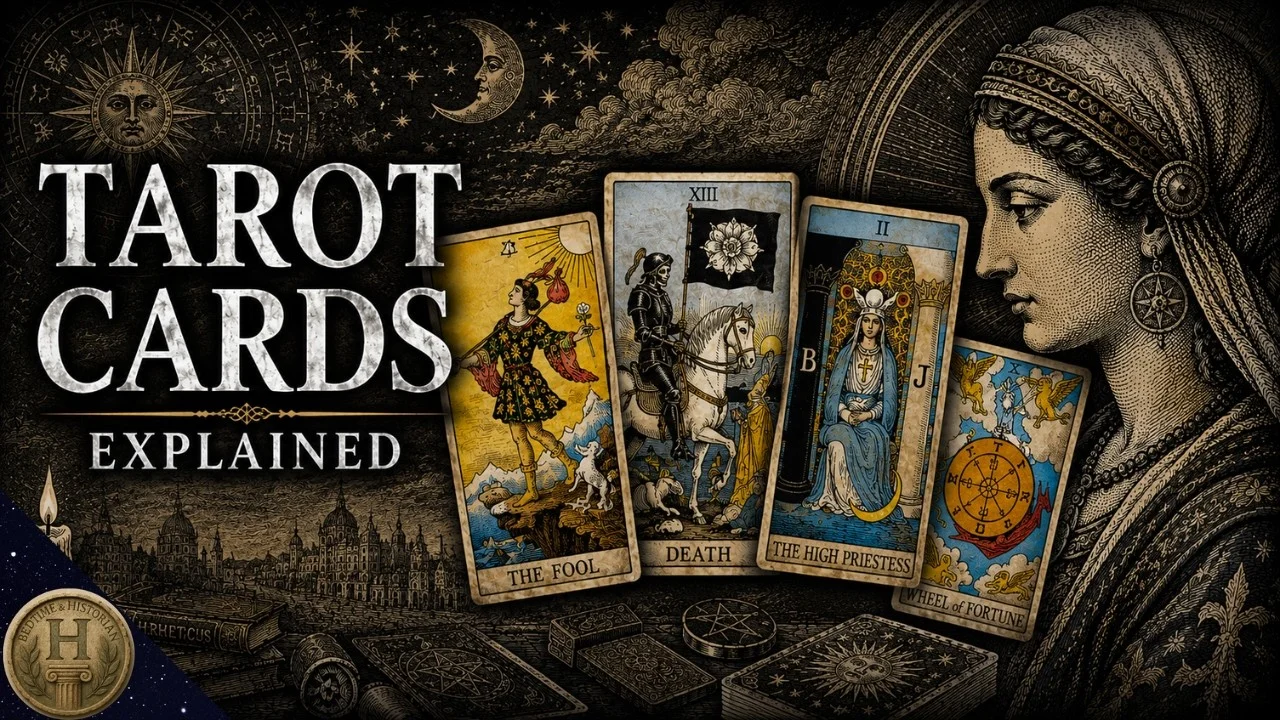
Sleep troubles can stem from various sources, including concerns about what lies ahead. Seeking clarity about the future isn’t a modern obsession; in fact, the roots of fortune-telling might predate civilization itself. Tarot cards, which many turn to for guidance, are popularly associated with divination today, but their origins are less straightforward. The history of these cards can be traced back to the Tang Dynasty in China, where the concept of playing cards first emerged.
From Playing Cards to Tarot: A Historical Journey
The transformation of playing cards into Tarot decks occurred over several centuries as these cards traveled along trade routes like the Silk Road. Initially, playing cards were simply a form of entertainment, much like they are today. However, as they moved westward—across various cultures and social landscapes—they began to blur the lines between leisure and spirituality. By the time they reached Europe, they were primarily used for entertainment and gaming. It wasn’t until much later that their role shifted, particularly in France, where occultists began employing them as tools of divination.
This evolution is significant because it illustrates how cultural artifacts can shift in meaning and purpose over time. Tarot cards didn't just arrive in Europe; they adapted to the customs, beliefs, and philosophies of each new society. The esoteric and mystical interpretations associated with Tarot reflect the historical context of their users, who were often navigating times of uncertainty or upheaval. And yet, despite such changes, the core elements of Tarot have endured, revealing a remarkable resilience and adaptability throughout its history.
Cultural Resilience and Artistic Evolution
Throughout this transition, Tarot cards managed to endure significant cultural shifts and even attempts at suppression from both church and state authorities. Their evolution reflects a broader pattern often seen in cultural artifacts: the difficulty of suppressing practices tied to human experience and psychological inquiry. Consider this: Tarot cards are not only tools for divination but also vessels of artistic expression. This resilience has allowed them to adopt a variety of artistic styles and interpretations, captivating audiences even to this day. Their rich iconography draws from multiple traditions, including mythology, astrology, and psychology, making each card a miniature work of art. The standardized structure of the Tarot deck—a combination of 78 cards, including 22 Major Arcana and 56 Minor Arcana grouped into four suits—has remained largely unchanged throughout its evolution.
Understanding Tarot: Resources for the Curious
For those unfamiliar with Tarot terminology or eager to understand the deeper meanings of the cards, the recent video from the YouTube channel Bedtime & Historian serves as an excellent resource. Nearly three hours long, it carefully breaks down card identities, characteristics, and meanings, creating an insightful primer for anyone considering a Tarot reading. This resource stands out not just for its educational value, but also for the way it presents the material in a soothing narrative style. It's almost therapeutic—inviting viewers to embrace the sometimes daunting process of self-exploration through the lens of Tarot.
Modern Context: Tarot Today
Interestingly, Tarot readers today can be found in a variety of settings worldwide, from traditional practices to booths positioned on bustling sidewalks. What this means for you, as an observer of these changing trends, is that the practice of Tarot remains both accessible and diverse. In places like Korea, these readings offer convenient spiritual guidance for commuters navigating their daily lives. This practice can often serve as a coping mechanism for the stresses of modern life, whether those stresses are personal or societal.
For many, Tarot has evolved beyond mere fortune-telling. Instead, it represents an opportunity for reflection, a means to confront uncertainties in one’s life constructively. The soothing narrative style employed in the Bedtime & Historian’s video does more than educate viewers; it also creates a calming atmosphere, which might just ease their sleep concerns before they ever lay down the cards. This notion of Tarot not just as a tool for prediction, but also as a method for fostering tranquility and introspection, is a thread worth considering in the broader discourse around mental health and personal development.
Implications and Future Outlook
The trend of Tarot's growing acceptance suggests a deeper societal yearning for meaning and connection in a fast-paced, often chaotic world. As people's lives become more complicated, traditional forms of guidance are losing ground to new avenues of exploration—Tarot being a prime example. And while some may dismiss these practices as mere superstition, the psychological and emotional benefits of engaging with these cards can’t be overlooked, especially in environments where mental well-being is becoming increasingly prioritized.
Moreover, the artistic evolution of Tarot decks continues to inspire new generations of creators. This resurgence in artistic expression through Tarot could signify a greater cultural movement that values introspection and creativity over mere consumption. The implications for art, psychology, and even spirituality are vast; as such, paying attention to these shifts could provide valuable insights into our collective future.
Related content:
Discover the Sola-Busca Tarot Deck, the Earliest Complete Set of Tarot Cards from 1490
Explore the Artistic & Mystical World of Tarot through Decks by Salvador Dalí and Others
Learn how Alejandro Jodorowsky sees Tarot Cards as Sources of Creative Inspiration
Carl Jung Discusses the Psychological Power of Tarot Cards and Their Insights into the Unconscious
Divine Decks: A Visual History of Tarot - An Exquisite Survey of Tarot's Evolution by Taschen
Colin Marshall, based in Seoul, writes on culture, language, and cities. He authors the newsletter Books on Cities and books like 한국 요약 금지 and Korean Newtro.
Discussion
Sign in to join the discussion.