The University of Iowa's Digital Dada Library offers extensive archives of the Dada movement, showcasing unique publications and experimental art.
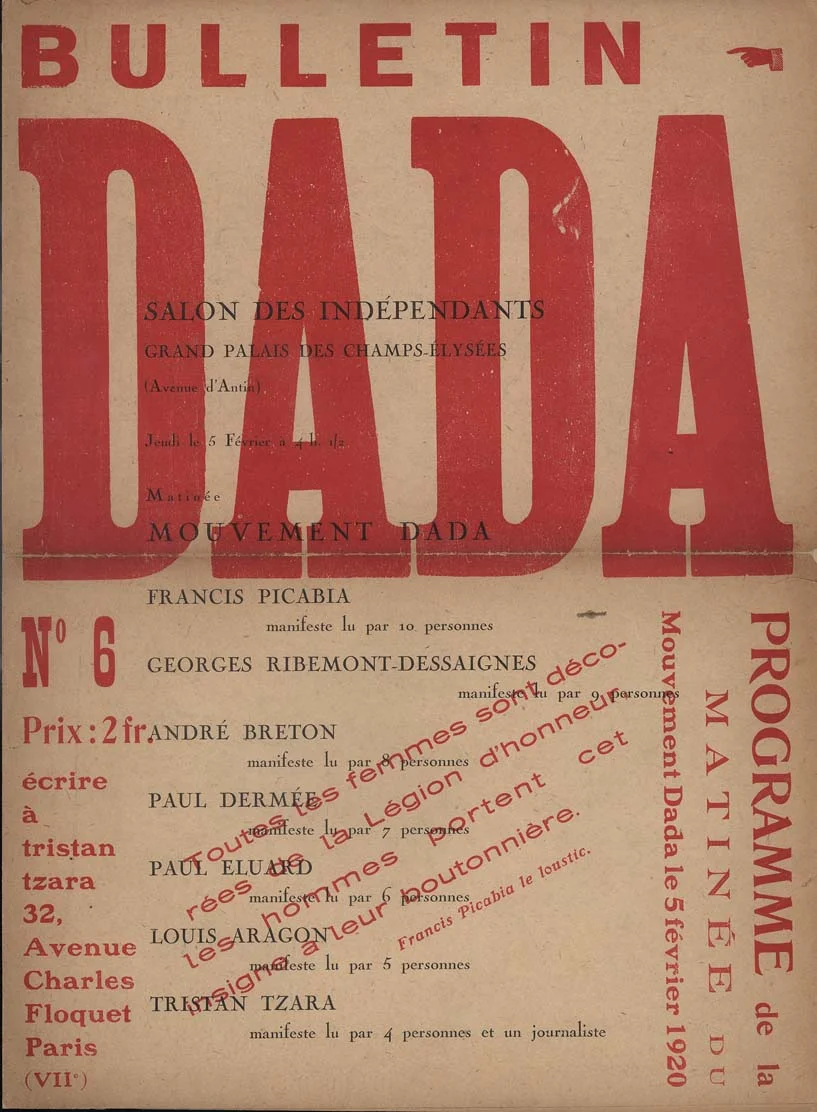
The University of Iowa is keeping the spirit of the Dada movement alive with its comprehensive Digital Dada Library. This online archive captures the original publications from this influential anti-art movement, which emerged during a time of immense societal turmoil in the early 20th century. As a platform dedicated to preserving the core tenets of Dada, this library is pivotal in shedding light on how art functions as both a form of expression and a reflection of societal discontent.
The Roots of Dada
Dada artists were deeply impacted by the disillusionment caused by World War I, leading them to challenge the very foundations of art itself. This movement arose not only from a rejection of artistic conventions but also as a reaction to the horrors of war—a conflict that purported to be fought in defense of civilization yet resulted in unprecedented destruction and loss of life. In the wake of such devastation, artists like Tristan Tzara sought to confront the very essence of what art could and should be. As Tzara articulated in his 1918 Dada Manifesto, every aspect of societal production, including art, reflected a deeper malaise that shouldn't just be accepted but radicalized. Their movement was born not from artistic ambition, but from a visceral reaction to the violence and reason that brought about the war, exposing the absurdity of a civilization that could simultaneously create beauty and chaos.
The Essence of Dada
Dada's core philosophy was to reject traditional values and encourage independence from established norms. The chaos of the times demanded a rejection of what was previously thought sacred. Tzara's defiance against a society that prioritized comfort and conformity resonated deeply with other artists of the era. Hugo Ball, another figure at the forefront of Dada, articulated its mission succinctly: “art is an opportunity for the true perception and criticism of the times we live in.” This was more than just an artistic statement; it was a call to arms for all participants in the creative sphere. The prevailing notion was clear: art should not merely exist but serve as a critique of the prevailing order, a mirror reflecting the absurdity of the human experience.
Dada achieved this through radical experimentation, producing works that often repurposed the technologies of mass communication. They created numerous journals, magazines, and manifestos that questioned the very nature of art and its role in society. Ironically, these publications are now preserved in institutions—libraries and museums—that embody the very capitalism and elitism the Dadaists sought to undermine. (And this is the part most people overlook: it's the paradox of Dada's legacy that sustains its relevance today.)
The Digital Archive
The Digital Dada Library presents a crucial resource for anyone interested in this avant-garde movement. By making significant Dada periodicals from cities like Zurich, Berlin, and Paris available, it serves both scholars and casual readers alike. Users can access high-quality scanned images of these original texts, exploring works that bring the ethos of Dada to life. This isn’t just about old texts; it’s about the continuing dialogue they inspire.
The library is divided into sections, with the first focusing on major periodicals and the second showcasing books and ephemeral publications from the Dada era. This curation matters. It includes a range of materials from prominent Dada figures like Max Ernst, Paul Eluard, and Francis Picabia. Such offerings ensure a well-rounded and multifaceted look at the movement. Many of these works are available in their original languages, enhancing their authenticity and offering a deeper understanding of the movement’s roots. While digital archives proliferate, few hold the significance that Dada does, as they continue to question the boundaries between art and activism.
A New Generation Inspired
The legacy of Dada, although fragmented after its initial burst of activity, continues to inspire contemporary artists who challenge the norms of mass culture. In an age where commercial interests often drown out genuine dissent, the ethos of Dada feels remarkably pertinent. Despite the forces that have tried to silence or commercialize dissenting voices, the Dada movement's radical spirit remains a touchstone for new generations of creators. This library plays an essential role in preserving that legacy, making it accessible for future artists eager to explore the intersection of art and social commentary.
Implications and Future Outlook
As we reflect on the lessons of Dada, it becomes increasingly evident that art's role in society remains as vital as ever. The Digital Dada Library not only honors the past but also invites inquiry and creativity that can disrupt today’s culture industry once again. If you're working in this space, you'll realize that the questions Dada asked about authenticity, meaning, and expression are as relevant now as they were a century ago. This prompts a vital discussion about what constitutes art and the social responsibilities of artists today. The preservation and dissemination of such a radical movement offer more than nostalgia; they position us to question our current cultural narratives.
Explore the Digital Dada Library and immerse yourself in the rich history of this vital movement.
Related Content:
Dada's Centenary: Celebrate the Movement Launched by Hugo Ball on July 14, 1916
Download Issues of Dada, the Arts Journal of the Avant-Garde
Discover Dada's Experimental Sounds
Josh Jones is a writer and musician based in Durham, NC.

Discussion
Sign in to join the discussion.