Discover the intricacies of the Bayeux Tapestry and its historical significance through an engaging video now featured at the British Museum.
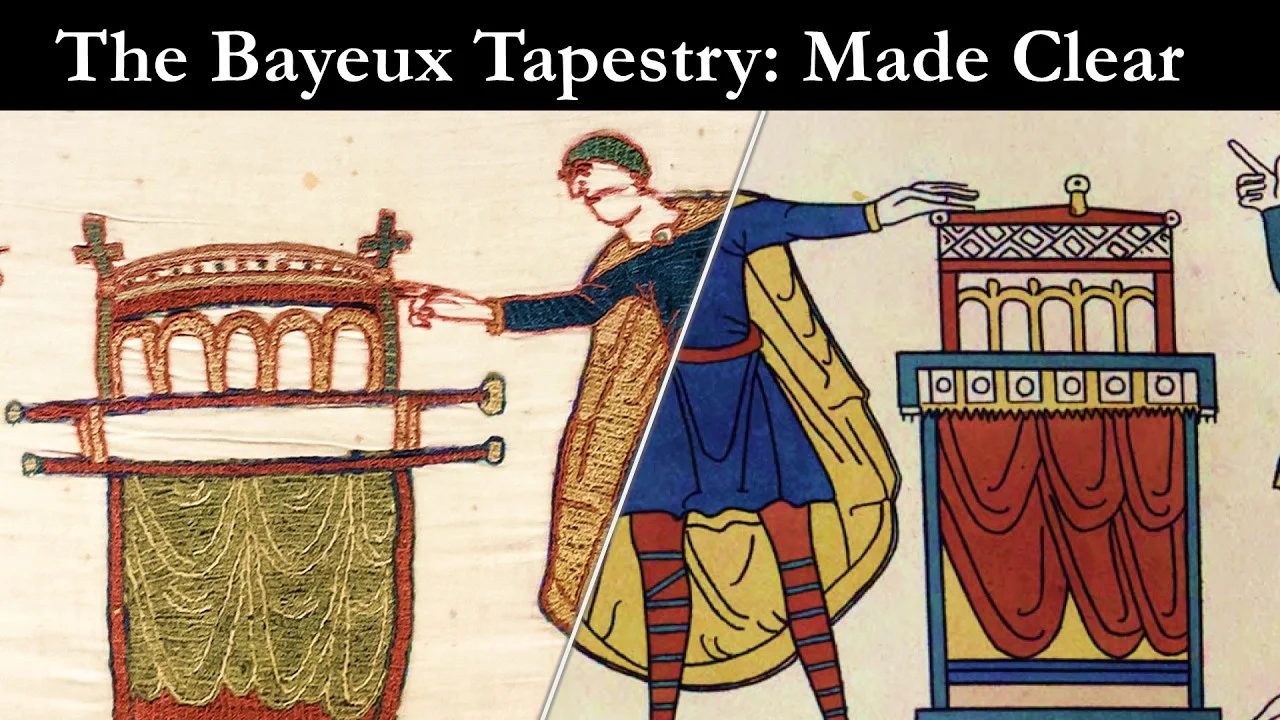
Unveiling the Bayeux Tapestry
The British Museum is currently showcasing the Bayeux Tapestry, an extraordinary piece of medieval art that spans an impressive 70 meters. This intricate embroidery illustrates significant events leading to the Norman Conquest of England in 1066, highlighting the decisive Battle of Hastings. With this exhibit, the museum offers visitors a chance to appreciate both the craftsmanship and the historical significance packed into each stitch. The tapestry isn’t just a relic; it’s a narrative that has shaped perceptions of English history for centuries.
A Journey Through History
Deep Down History provides an immersive exploration of the tapestry's rich story. The accompanying video utilizes Charles Stothard’s early color reproductions to present the tapestry as a continuous scroll for viewers, enhancing the storytelling experience. Through this format, viewers can gain insights into the journey of Harold Godwinson—from the court of Edward the Confessor to the looming challenges in Normandy, ultimately leading to the conquest itself. This representation is not only educational but also makes the details of the tapestry more accessible to modern audiences. In some ways, this multimedia approach reflects a shift in how we present historical narratives, making them more engaging for those less acquainted with the lore of the past.
The Tapestry's Multifaceted Story
Beyond its political messaging, the tapestry reveals a vibrant portrait of medieval life, interspersed with humor, intricate craftsmanship, and subtle cautionary tales for promise-breakers. Viewers see not just warriors in battle but also the everyday scenes of life during the 11th century, from agricultural activities to domestic affairs. This mix of grandeur and mundanity offers a lens into the social fabric of the time. Rather than portraying a one-dimensional view of history, it captures the complexities of human experiences—something that is often overlooked in less detailed historical narratives. And this is the part most people overlook: the tapestry isn’t just a record of conquests and power but a reflection of the deep human stories intertwined with these events.
This tapestry resonates with historical depth and artistry. The craftsmanship itself tells a story; the choice of colors, the precision of the stitches, and the intricate designs reflect both skill and intention. These details invite ongoing interpretation, making each viewing a new experience. Artefacts like the Bayeux Tapestry serve as reminders of the interconnectedness of art and history, showcasing how artistic expression can encapsulate significant moments in time.
The Cultural Implications of the Tapestry
The Bayeux Tapestry is more than an artwork; it's a cultural artifact that has implications for how we understand power dynamics. The portrayal of William the Conqueror and Harold Godwinson raises questions about the nature of leadership, legitimacy, and the narratives that nations build around their histories. The embroidery could be seen as a form of propaganda, promoting the Norman narrative while overshadowing the Anglo-Saxon perspective. This aspect invites critical engagement from historians and audiences alike regarding who gets to tell the story of history and how that story is shaped over time.
If you're working in this space, consider how this piece can shed light on modern discussions about representation and narrative ownership. Who decides what stories are told, and how do those stories inform our understanding of national and cultural identity? The tapestry can be a jumping-off point for these enduring questions in the context of current societal debates.
The Future of Historical Artifacts and Engagement
As we continue to digitize historical artifacts, the Bayeux Tapestry's role in this trend is notable. The move towards digital platforms allows broader accessibility and interaction with history. High-resolution reproductions let viewers explore the tapestry down to the individual thread. This trend signifies a shift in how historical narratives can be presented; it opens pathways for educational tools that have the potential to engage younger generations. The tapestry, while a centuries-old artifact, could reach new audiences who connect through digital means.
The intertwining of history and technology offers exciting prospects for museums and educational institutions. Virtual reality adaptations could make the stories of the tapestry even more immersive, allowing individuals to "walk" through the scenes depicted or participate in reenactments. Is this the future of how we engage with our past? Possibly. The integration of new technologies also has the potential to challenge traditional narratives by offering interactive and participative experiences that encourage critical thinking.
Enjoy diving into this intricate historical narrative!
Related Resources
The Story Told on the Famous Bayeux Tapestry Explained from Start to Finish
Behold a Creative Animation of the Bayeux Tapestry
How England First Became England: An Animated History
The Entire History of the British Isles Animated: 42,000 BCE to Today
Construct Your Own Bayeux Tapestry with This Free Online App


Discussion
Sign in to join the discussion.