To thrive in an AI-influenced job market, students must practice decision-making skills in conjunction with AI tools, not just learn to use them.
The New Imperative: Teaching Human-AI Collaboration
Equipping students with AI skills is essential. But let’s face it: that's not enough anymore. As AI systems become pivotal in various industries, the job market is shifting dramatically. The edge will belong to those who can evaluate AI outputs critically. This aspect of decision-making is becoming increasingly vital. If you’re working in this space, consider how much emphasis is being placed on augmentation rather than mere competency. Simply understanding AI tools won't cut it. Employers want candidates who can discern when AI-generated information is reliable or if it has significant gaps.
The Job Market Reality
Insights from the Stanford Digital Economy Lab’s August update reflect a concerning trend. The gap for U.S. workers aged 22–25 in AI-heavy sectors has widened alarmingly in a relatively short period. It underscores the idea that basic tasks, once performed by entry-level employees, are now the domain of AI. While this may streamline operations for businesses, it raises significant questions about the future of work. Are we preparing young people for a world where many traditional entry-level jobs may no longer exist?
This shift doesn't just affect job availability; it also demands a recalibration of how we prepare students. Educational institutions must rethink their strategies. If students don’t develop the ability to critically analyze AI-generated content, they risk falling behind in the job market.
Importance of Decision-Making in Education
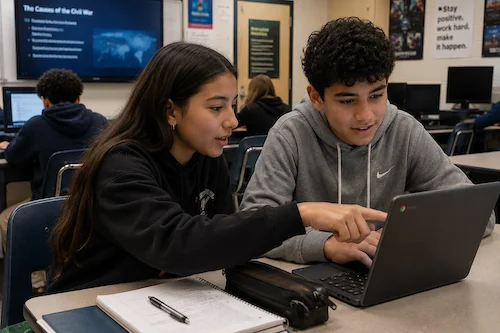
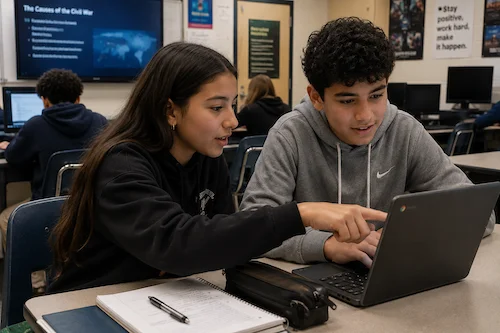
The urgency to involve AI in educational frameworks cannot be overstated. Teaching students how to work alongside AI as a decision-making tool could redefine the educational experience. For example, incorporating AI into research projects allows students to gather information efficiently, but the critical step remains: they need to assess the completeness and reliability of that information. They must scrutinize the assumptions built into AI-generated solutions and evaluate the quality of sources when drafting arguments.
Think about it: students should be encouraged to question the data they receive. The educational approach must shift from mere consumption of information to active engagement with it. This means teaching them to articulate discrepancies between AI outputs and credible texts, especially at an early age. By middle school, they should be comfortable dealing with conflicting data and making judgment calls about credibility. High school students need to tackle complex, real-world challenges, documenting their reasoning and how they arrived at their conclusions.
The Shift in Educational Objectives
There’s a clear distinction in the educational objectives here. The goal isn’t merely to produce a generation of AI specialists. Instead, we need critical thinkers, individuals who can navigate the pitfalls of misinformation and who aren’t easily swayed by erroneous AI outputs. Educational outcomes should focus on verifying claims, identifying gaps, expressing uncertainty, and owning the results of their decisions. This view is becoming more mainstream, but it's still not prevalent enough.
It’s essential to recognize the nuances in career readiness. Recent discussions have highlighted that a holistic approach is necessary. AI’s role in education should enhance human capabilities rather than overshadow them. As machines increasingly handle routine tasks, an educational framework that prioritizes nuanced reasoning becomes paramount. There's a qualitative difference between knowing how to use an AI tool and understanding how to harness its power responsibly.
Looking Forward: Implications for the Future
What does this mean for educators and students alike? The optimal strategy for preparing youth for an AI-influenced landscape demands more than just interaction with AI technologies. It's not enough to upscale their familiarity with AI; we need to amplify their opportunities for sound decision-making in scenarios involving AI. The approach should stress the importance of critical thinking and problem-solving skills.
As AI continues to evolve, educational systems must keep pace. This isn't just about technology adoption; it's about integrating human cognition with artificial intelligence in a way that is both practical and ethical. The future job market won’t just need tech-savvy individuals; it will require thinkers who can collaborate with machines intelligently. Educators face a challenge that extends beyond rote teaching of skills to fostering a mindset of inquiry and scrutiny.
The message is clear: if we want students to truly thrive in an AI-centric world, they need more than just skills — they need the acumen to think judiciously in their interactions with AI tools. That kind of preparation may well define the next generation of thinkers, innovators, and leaders. And that’s the part most people overlook.
The conversation around AI in education is just beginning, and it’s essential not to underestimate its significance. The decisions made today about how we educate the next generation will reverberate through the job market, shaping the kind of workforce that emerges.


Discussion
Sign in to join the discussion.