Explore how forest bathing, a practice rooted in Japanese tradition, significantly enhances mental and physical well-being through nature immersion.
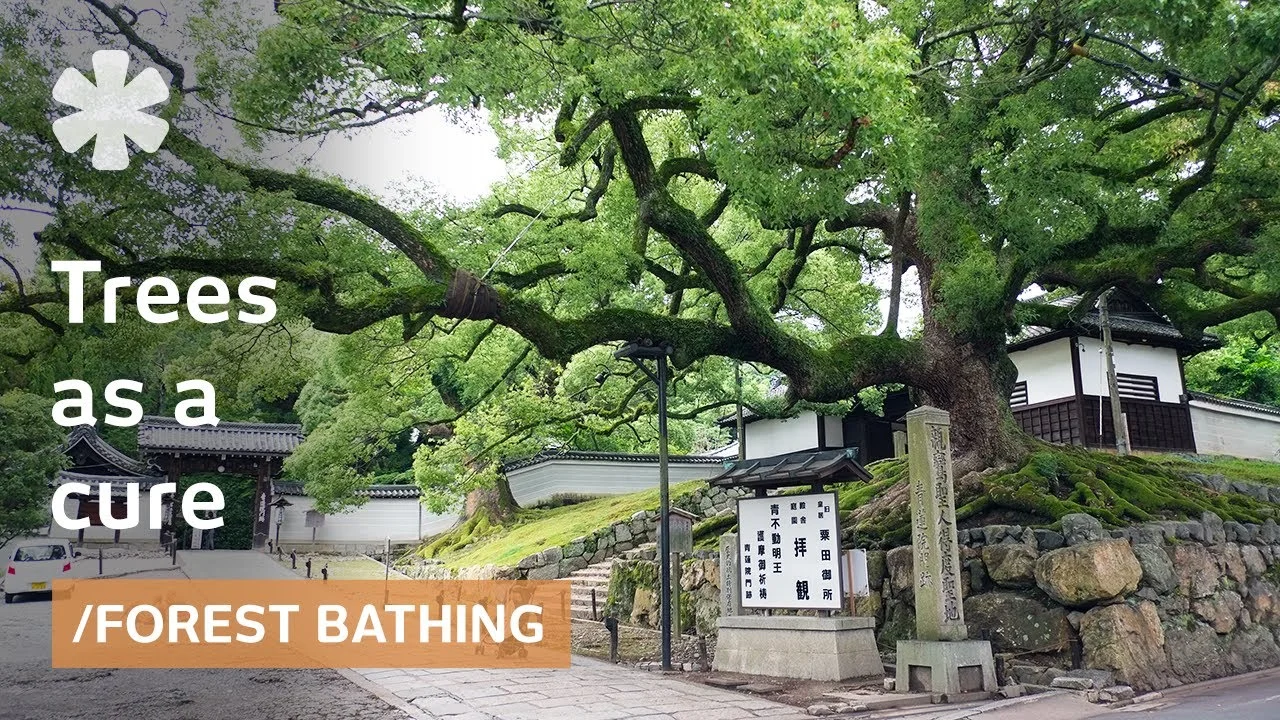
As the U.S. media spotlighted "forest bathing," also known as shinrin-yoku, many observers dismissed it as simply a trendy way to say "going outside." However, this term originates from the Japanese Ministry of Agriculture, Forestry and Fisheries, which coined it in 1982. It translates to "taking in the forest atmosphere," emphasizing connection to nature as a means of enhancing our health—both mentally and physically.
Despite criticism from some quarters, the practice is grounded in centuries-old traditions. Think of the wisdom of Buddhist monks, Thoreau's reverence for nature, or the dedication of the Sierra Club's founders. Yet, contemporary society’s obsession with technology often distracts us from these age-old practices in our relentless pursuit of progress. High-tech outdoor gear and tracking devices can make simply stepping outside feel more like a chore than a self-care ritual.
The Essence of Forest Bathing
At its core, forest bathing encourages a state of relaxation devoid of the pressures of structured activities. As Ephrat Livni succinctly describes, “Just be with the trees.” There are no demands for hiking trails or step counts—just the opportunity to sit or wander and absorb nature's tranquility. Even if enlightenment eludes you, the benefits are clear: numerous studies conducted in Japan indicate that time spent in natural settings can reduce stress and enhance immune function.
Scientific Insights and Benefits
The Japanese government has invested significantly—around $4 million—into exploring the health benefits of forest bathing, engaging hundreds of participants along specifically designated therapy trails. Research led by Qing Li from Nippon Medical University revealed that natural killer (NK) cell activity increased following a forest visit, with these benefits persisting for weeks thereafter. The oils emitted by trees are capable of stimulating NK cells, which play a vital role in our body's defense against viruses and cancers.
Chiba University’s studies further confirm the physiological benefits of this practice, demonstrating reductions in heart rate and blood pressure, alongside decreased levels of cortisol, a hormone linked to stress. Participants in these studies reported reduced feelings of hostility and depression after their time in the woods, indicating that forest bathing is not just beneficial for physical health but has profound psychological implications as well.
A Historical Perspective
Historical observations support these findings. Franklin Hough, a prominent figure in the establishment of forestry in the U.S., noted in the 19th century that forests have a unique ability to soothe the mind, particularly for those weary from mental strain. Today, his insights resonate as more urban dwellers seek refuge from the stresses of modern life amidst the concrete of city living.
The Experience of Forest Bathing
What can participants expect during a guided forest bathing session? In a recent NPR segment, Alison Aubrey described the experience, highlighting the role of guides like Amos Clifford. Clifford, founder of the Association of Nature & Forest Therapy, emphasizes that a guide's function is to ground participants in the present. He advocates for the integration of forest therapy into mainstream healthcare as a valuable strategy for stress reduction.
Yet, is it necessary to label the experience as "forest bathing" or seek out a certified guide to reap the benefits? John Muir, the iconic naturalist, provides a timeless perspective: “In the eternal youth of Nature you may renew your own. Go quietly, alone; no harm will befall you.” His words remind us of the profound simplicity of connecting with nature without the encumbrance of labels or expectations.
This pursuit of solace in nature is not just a personal endeavor; it has the potential to inspire greater environmental stewardship, much like Muir’s advocacy did in the past. As people discover the restorative effects of spending time with trees, the hope is that they’ll also be moved to preserve these vital natural spaces for future generations.
Note: An earlier version of this post appeared on our site in 2017.
Related Content:
- How Walking Fosters Creativity: Stanford Researchers Confirm What Philosophers and Writers Have Always Known
- How Mindfulness Makes Us Happier & Better Able to Meet Life’s Challenges: Two Animated Primers Explain
- This Is Your Brain on Exercise: Why Physical Exercise (Not Mental Games) Might Be the Best Way to Keep Your Mind Sharp
Josh Jones is a writer and musician based in Durham, NC.



Discussion
Sign in to join the discussion.