Frank Lloyd Wright's deep connection to Japanese art profoundly influenced his architectural philosophy and practice, shaping his designs throughout his career.
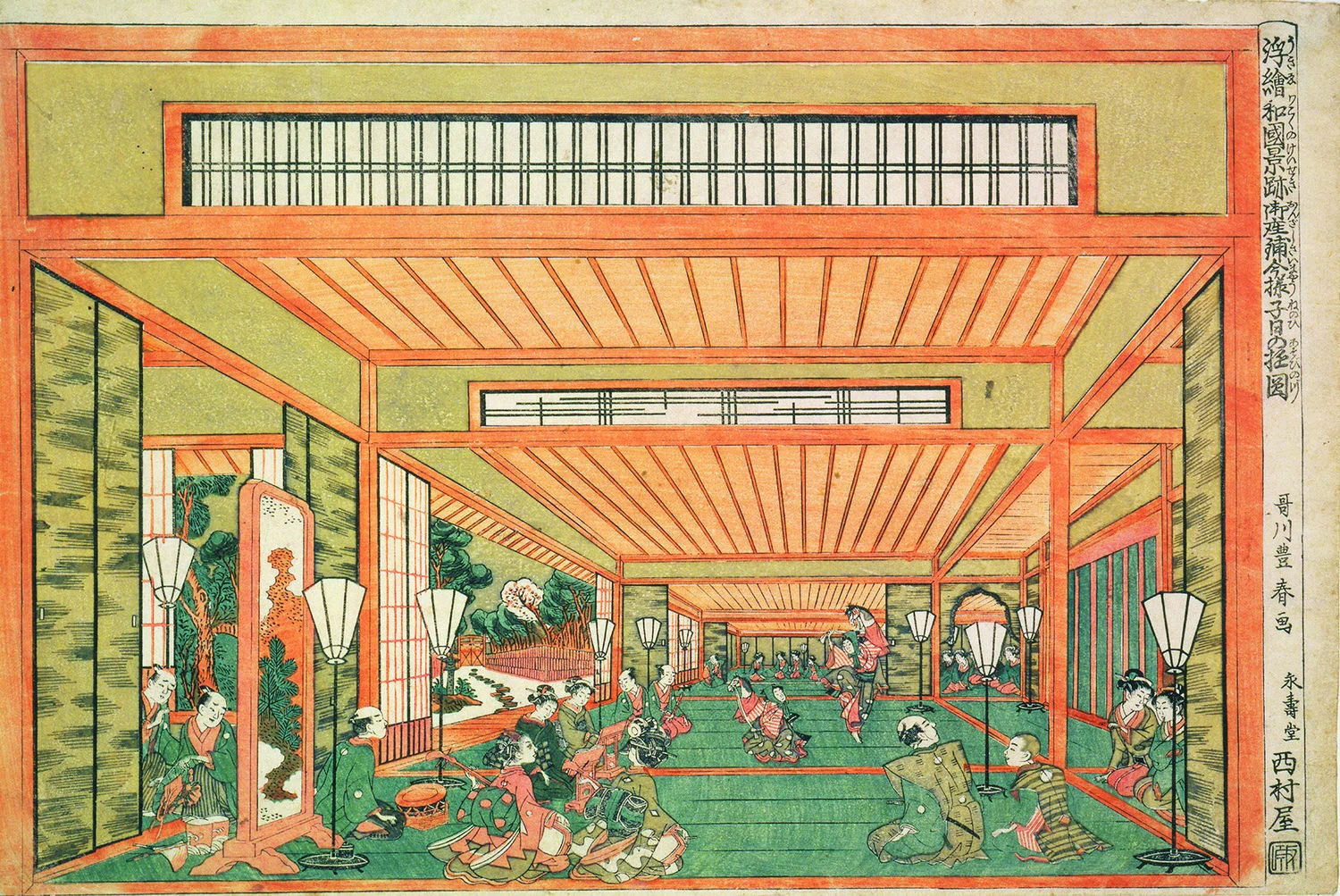
Frank Lloyd Wright, though celebrated for his architectural genius, often faced financial difficulties. Despite achieving prominence in the American architectural scene, he shared a challenging financial experience with other famous artists, such as Vincent van Gogh, who only found recognition posthumously. A bond over Japanese woodblock prints could have been a point of conversation for them had they met in a different time. By the end of Wright’s life, he had amassed a staggering collection of approximately 6,000 prints, a number that eventually necessitated liquidation to settle both debts to Japanese art dealers and obligations to American tax authorities.
Wright maintained a lifestyle that verged on reckless, even in his later years, with his enduring fascination for ukiyo-e—Japanese woodblock prints. Notably, he was drawn to artists like Hokusai and Hiroshige, whose works served as significant influences on his architectural vision. Wright's journey in architecture began at a young age under the mentorship of architect Joseph Silsbee, which laid the foundation for his later discoveries in art.
According to Kevin Nute of The Conversation, it’s intriguing how Wright’s early contact with the world-renowned art expert Ernest Fenollosa, a cousin of Silsbee, might have positioned him to appreciate and collect Japanese art. Although it remains unclear how engaged Wright was with Fenollosa, he likely encountered works by Hokusai and Hiroshige at the 1893 World’s Columbian Exposition in Chicago as he established his practice in Oak Park.
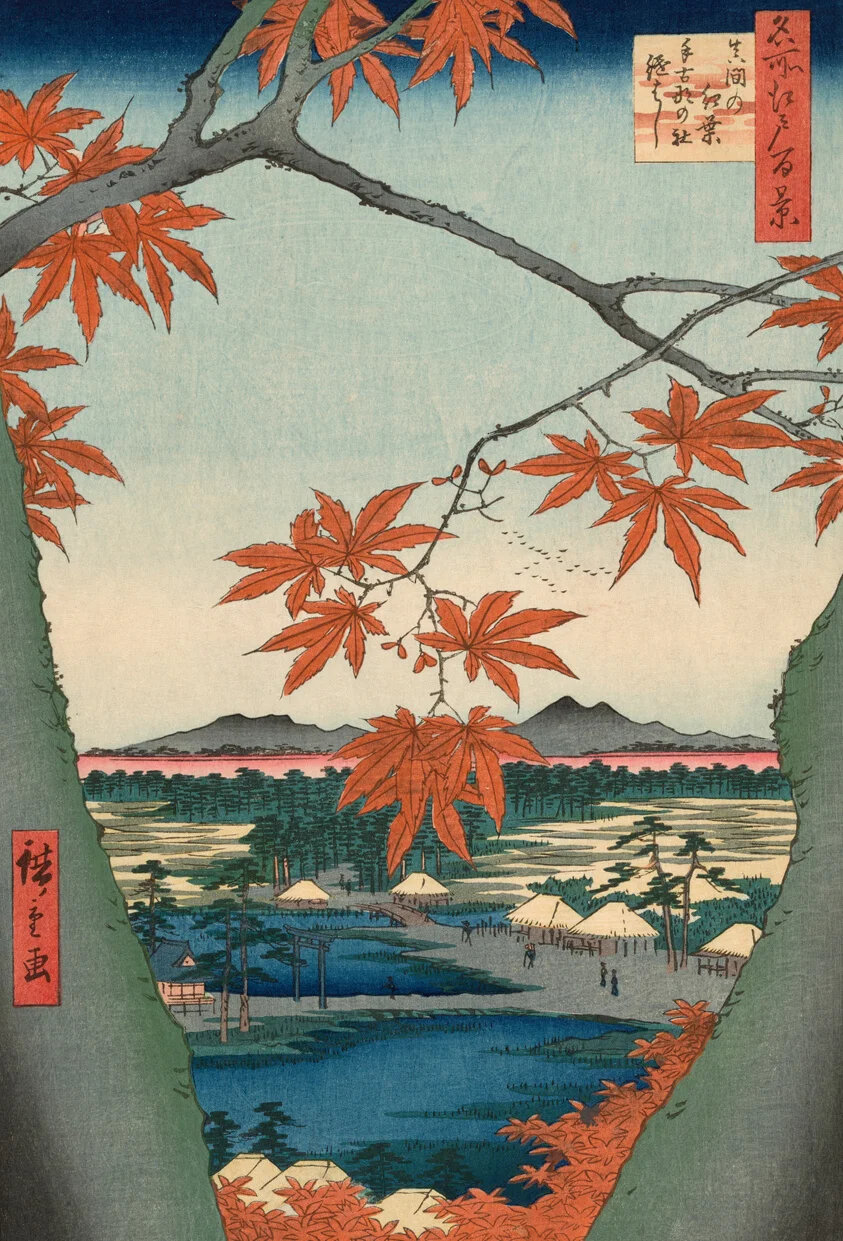
Eight years post-exposition, Wright embarked on his first trip to Japan, primarily to acquire prints and refine his knowledge of ukiyo-e. By March 1906, he was able to hold an exhibition of his Hiroshige collection at the Art Institute of Chicago. His fascination led him back to Japan in 1913, with his focus firmly set on further expanding his art collection rather than engaging in cultural exchanges. His subsequent work on the Imperial Hotel between 1917 and 1922 saw him spending over three years immersed in Japanese culture, art, and architecture. He even described his pursuit of Japanese prints as a source of constant recreation during his time there, allowing him to take on the role of a dealer—a self-proclaimed merchant—in an emerging U.S. market that was only beginning to appreciate Asian artistic traditions.
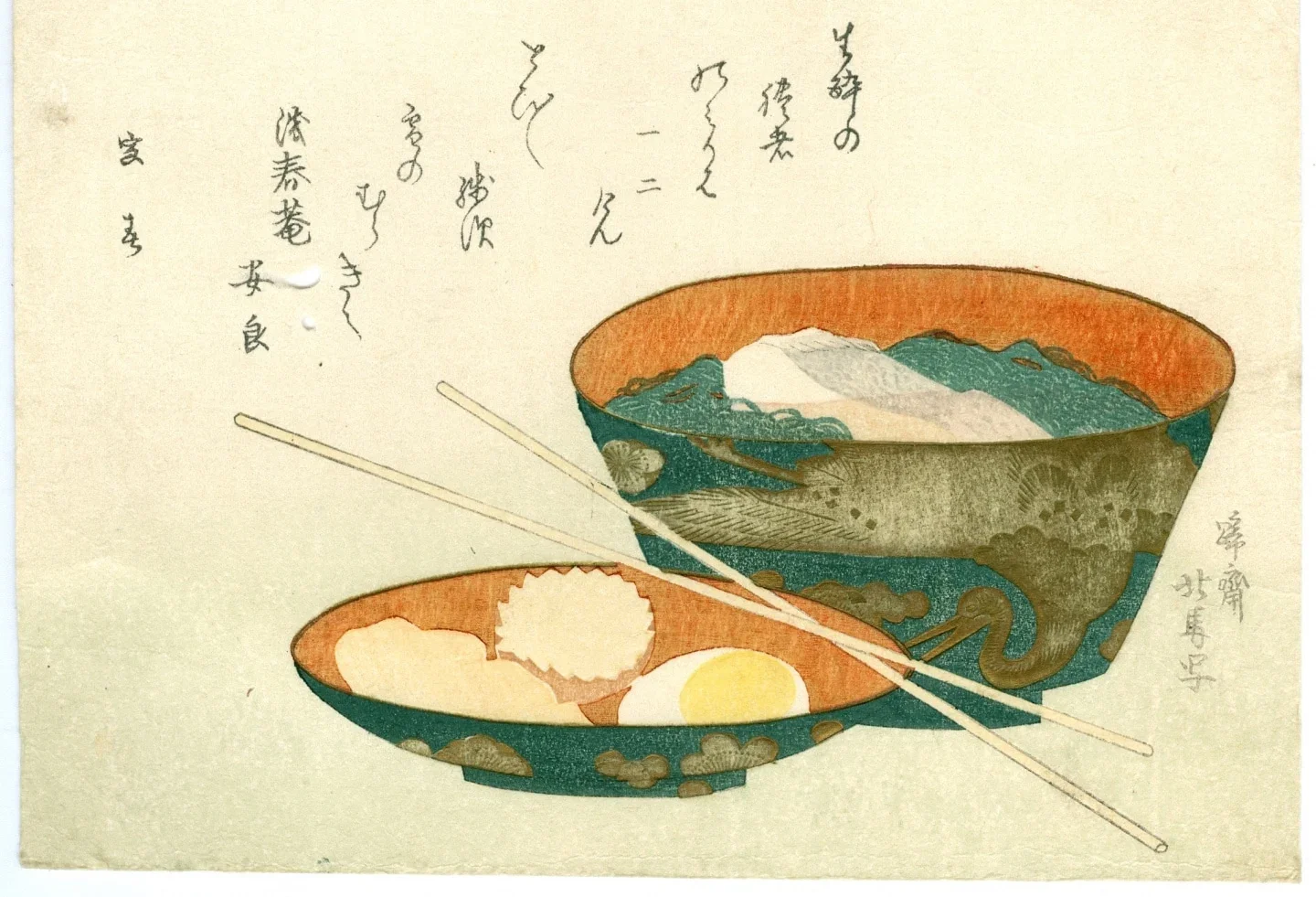
Wright's appreciation for ukiyo-e went beyond mere acquisition; he published a book on the subject in 1912. He admired these prints for their clarity and order, valuing simplicity in design. Wright argued against unnecessary complexity, famously stating, “Five lines where three are enough is stupidity.” His view on art strongly informed his architectural style, as he recognized the impact of elimination and simplicity on form. The works of artists like Hokusai and Hiroshige profoundly changed his perception of nature and space, leading him to embrace a vision where rhythm and design took precedence in his architectural philosophy. Wright’s encounters with these art forms played a pivotal role in shaping his identity as one of America’s foremost architects.
Related content:
A Virtual Tour of Frank Lloyd Wright’s Lost Japanese Masterpiece, the Imperial Hotel in Tokyo
The Evolution of Hokusai’s Great Wave: A Study of 113 Known Copies of the Iconic Woodblock Print
How Frank Lloyd Wright Became Frank Lloyd Wright: A Video Introduction
Download 215,000 Japanese Woodblock Prints by Masters Spanning the Tradition’s 350-Year History
Enter a Digital Archive of 213,000+ Beautiful Japanese Woodblock Prints
Based in Seoul, Colin Marshall writes and broadcasts on cities, language, and culture. He’s the author of the newsletter Books on Cities as well as the books 한국 요약 금지 (No Summarizing Korea) and Korean Newtro. Follow him on the social network formerly known as Twitter at @colinm.


Discussion
Sign in to join the discussion.