Discover the transformation of Jugend, the influential art magazine, from an avant-garde platform to a tool of Nazi propaganda between 1933 and 1940.
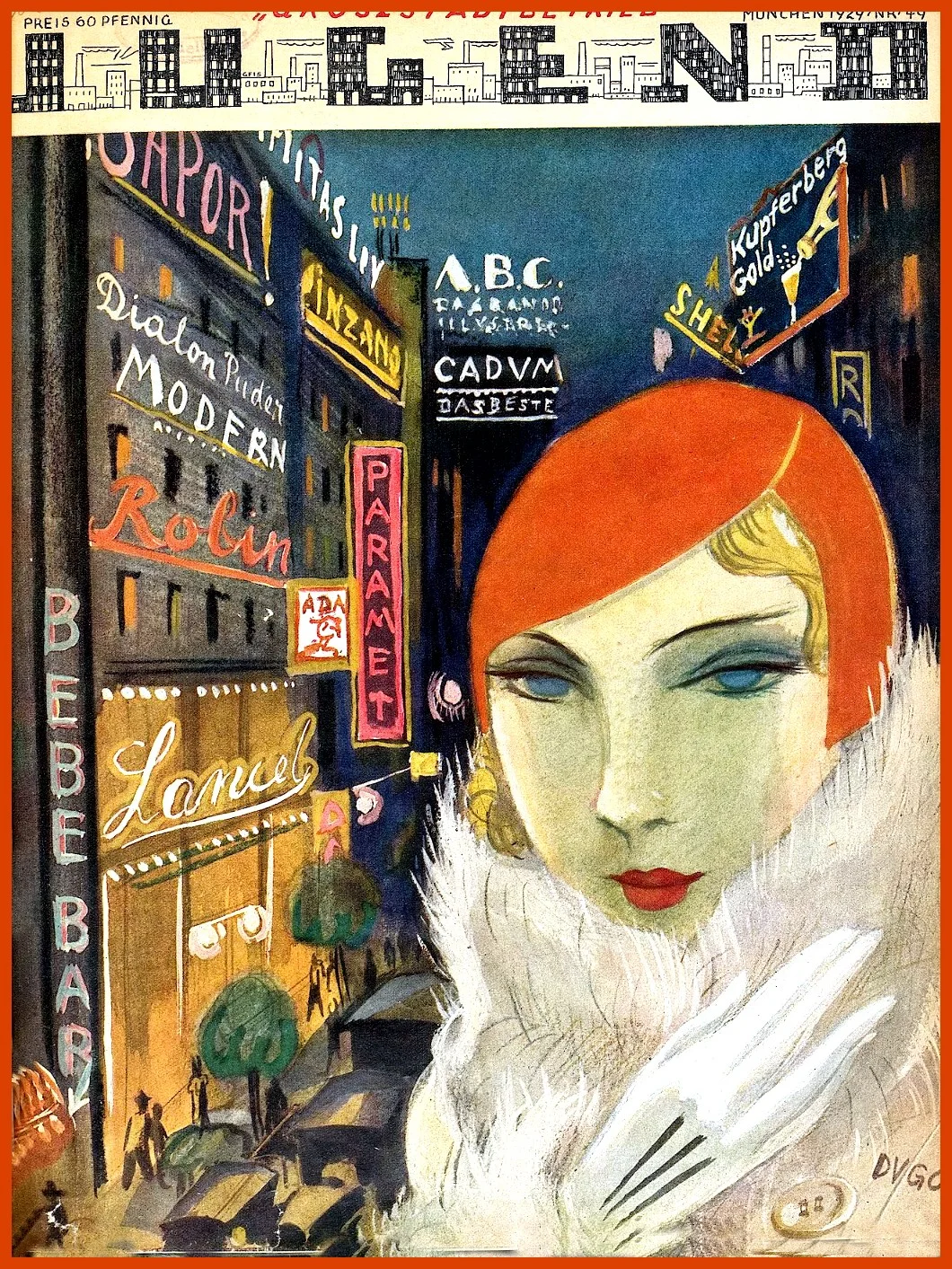
The term Gleichschaltung captures a pivotal moment in Germany's history during the 1930s. By 1933, a systematic coordination reshaped culture, arts, education, and legal institutions under Nazi control, transforming many artistic voices into mere reflections of the regime's ideology. The arts journal Jugend, which had previously championed avant-garde and "degenerate" artists, became an emblem of this cultural shift.
Between 1933 and 1940, Jugend transitioned from a vibrant platform for modernist creativity to one serving the propaganda machine of the Nazis. As highlighted by Messy Nessy Chic, its final years saw a stark transformation as the publication lost its edge and became a vessel for regime messaging. Initially, it was celebrated for its bold embrace of avant-garde art, praised for representing some of the era’s most intellectually vibrant artistic voices.
A significant resource for researchers and enthusiasts alike, the University of Heidelberg has digitized hundreds of issues of Jugend, allowing viewers to explore its extensive archives that document the magazine’s evolution across its forty-four years. With thousands of pages available in PDF format, it’s an invaluable look into a unique historical context. Additionally, visual excerpts from the publication can be found on Flickr.
Jugend's Role in the Art Nouveau Movement
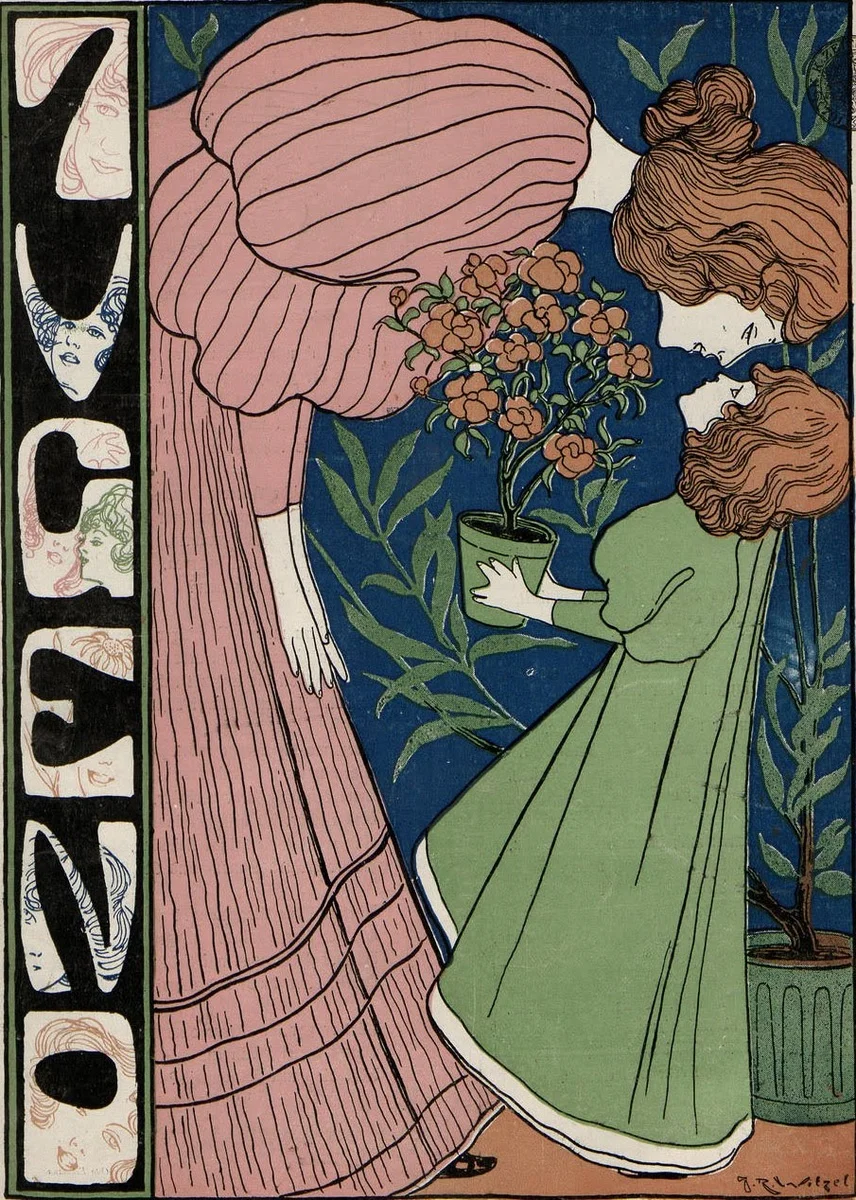
Emerging in the 1890s, Art Nouveau in Germany was intertwined with a multitude of artistic influences, including post-Impressionist painting, folk art, and contemporary graphic design. It captured a transformative spirit that sought to articulate a modern, urban aesthetic, while referencing historical styles such as Gothic and Romantic. The magazine Jugend became a prominent voice for these artistic expressions, to the point where the term Jugendstil was coined to describe the unique German variant of Art Nouveau.
The publication’s influence extended beyond its articles and illustrations; it was a cultural touchstone, showcasing the works of numerous artists and designers who would later become pivotal in defining German aesthetics. Influenced by a myriad of styles, the magazine’s content proved to be a rich tapestry reflecting the complexities of its time, from its initial focus on floral motifs and flowing patterns to later movements leaning towards abstraction.
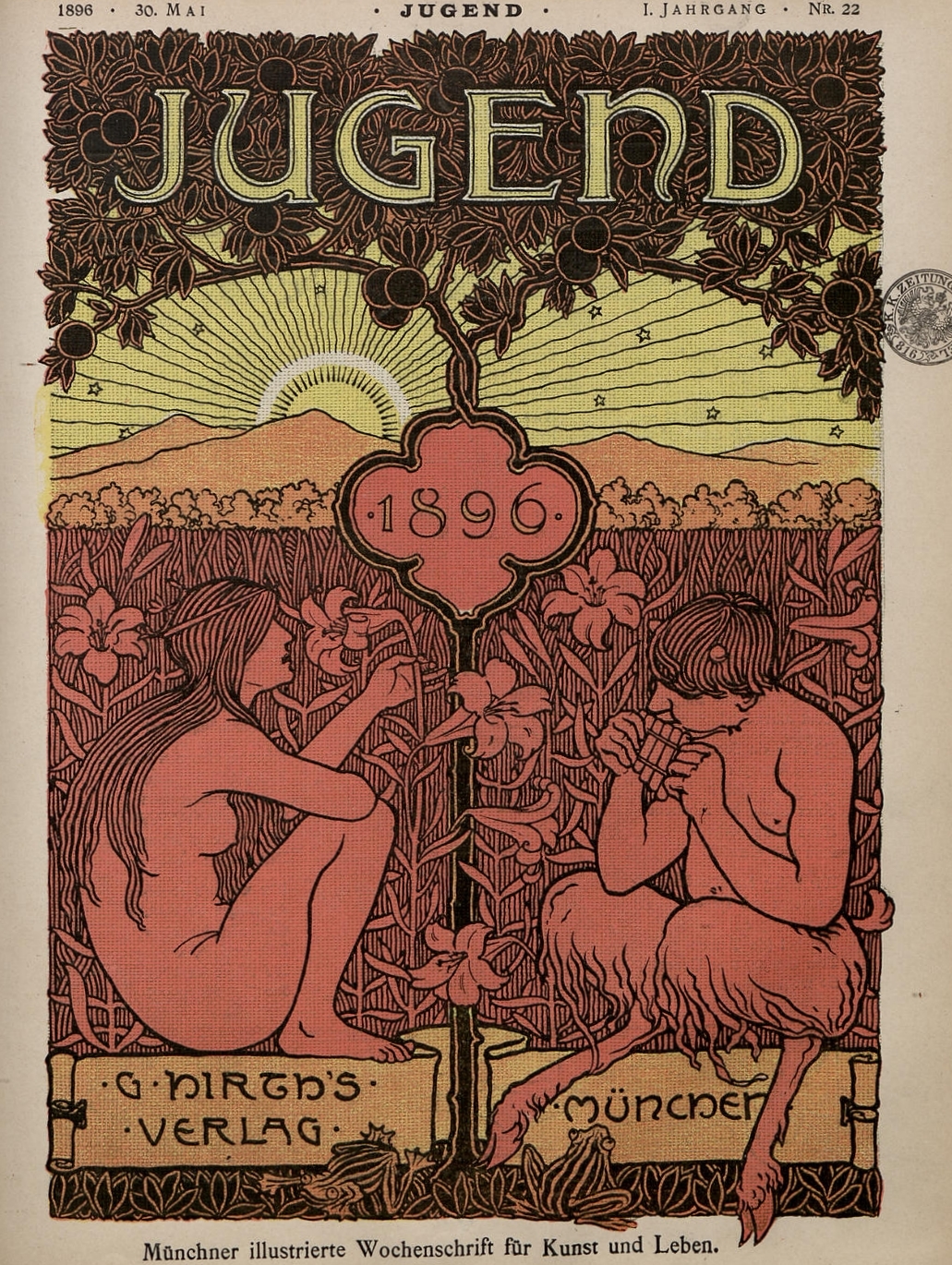
Despite the historical significance of Jugend, many artists featured within its pages did not achieve international acclaim akin to their peers in France or Austria. Nonetheless, its covers and editorial stance elevated it to a position of prominence within the German art scene. Critics remarked on its politically charged platform, often opposing established norms and advocating for a more progressive artistic vision.
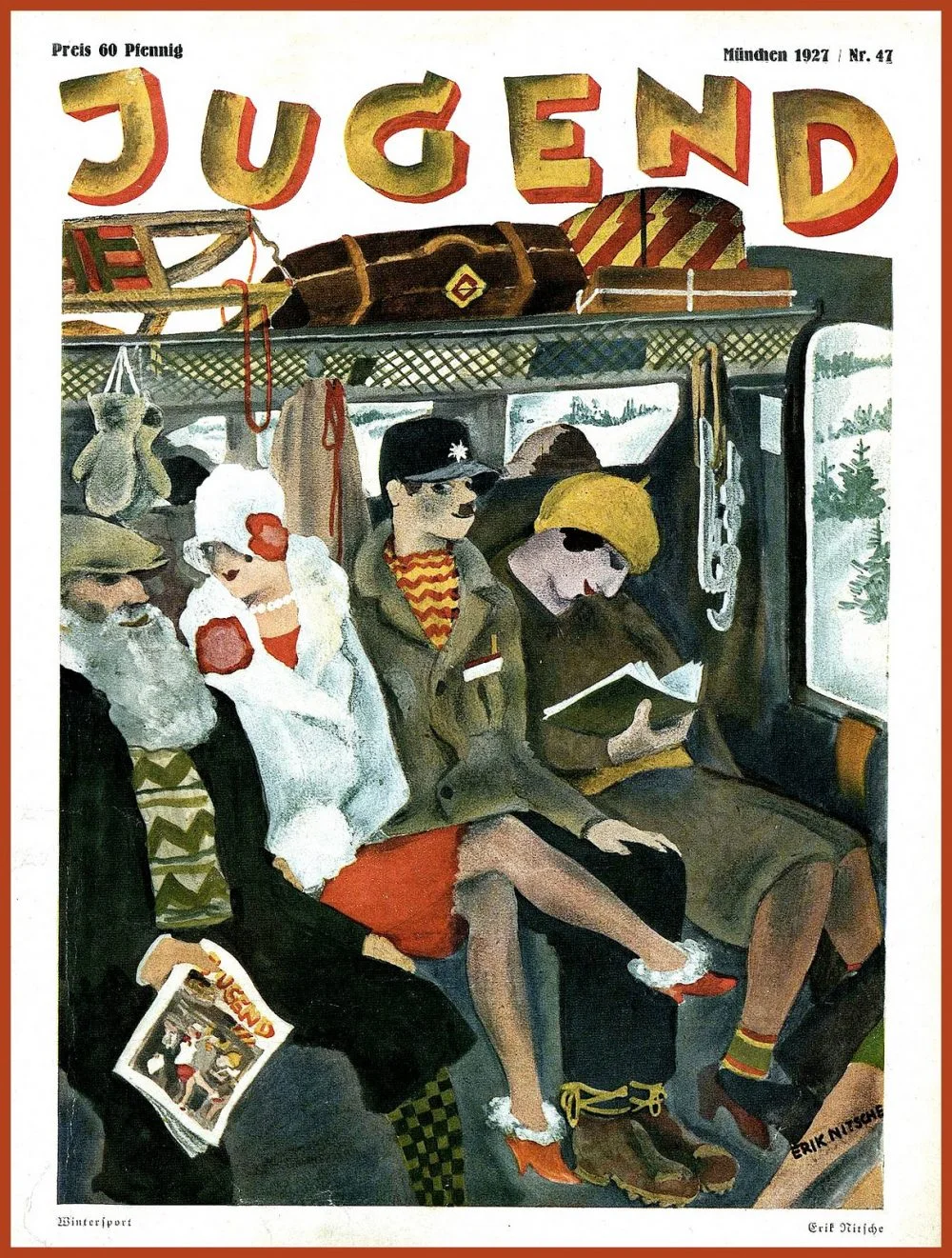
From Artistic Liberation to State Control
The rise of the Nazi regime in Germany brought sweeping changes to all cultural sectors, including the arts. By 1933, Jugend was forced to conform to the ideological tenets of the ruling party, drastically changing its direction. The vibrant and original illustrations that once adorned its covers were replaced with somber neoclassical imagery, such as the bust of Nietzsche featured above from a 1934 issue. Many artists chose exile over compliance, and the magazine's editorial team struggled to maintain the integrity of their work amidst mounting pressures.
While Jugend's radical initial characteristics were stripped away, the archive remains a testament to a critical period in German art history. As we examine the timeline of its decline, one can observe a palpable tension between artistic integrity and enforced conformity, creating a sobering narrative of both resilience and repression within the arts.
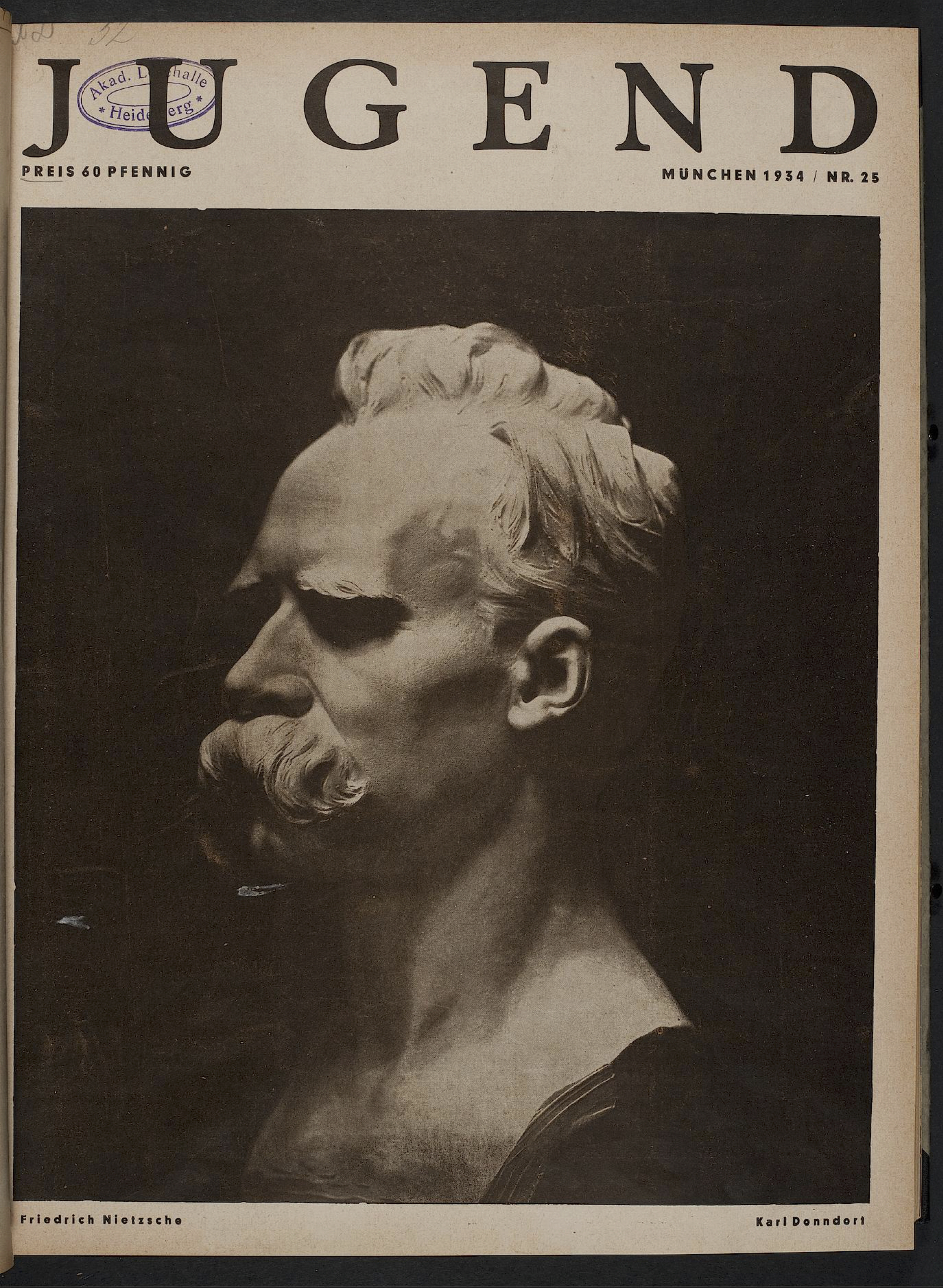
For those looking to engage with this important chapter in cultural history, the University of Heidelberg's collection stands as a significant portal to understanding the intersections of art, politics, and societal change.
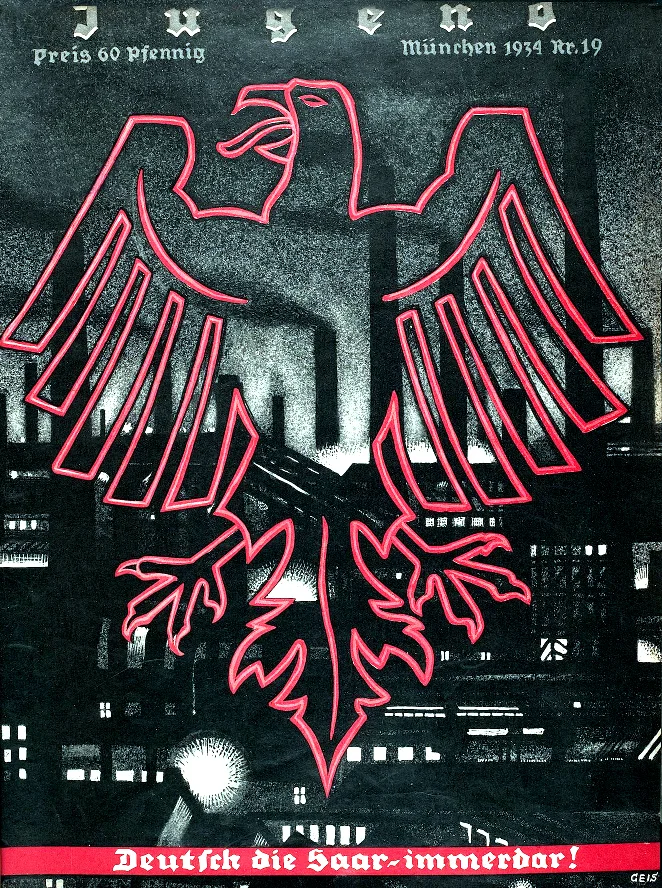
via Messy Nessy Chic
Note: An earlier version of this post appeared on our site in 2017.
Related Content:
Extensive Archive of Avant-Garde & Modernist Magazines (1890–1939) Now Available Online
Josh Jones is a writer and musician based in Durham, NC.


Discussion
Sign in to join the discussion.