Route 66 turns 100, inviting adventurers to explore its historic route, unique roadside attractions, and nostalgic Americana along the way.
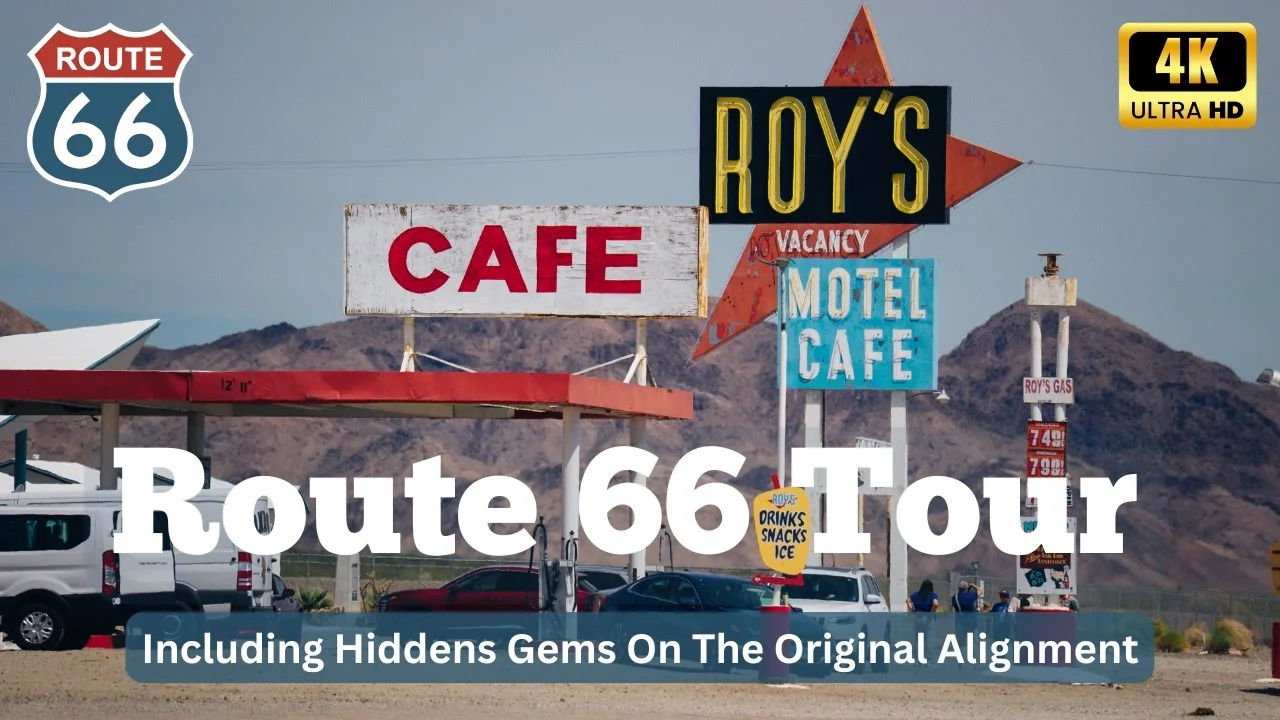
Marking a Century of Route 66
This year, Route 66, often called the “Mother Road,” celebrates its 100th anniversary. As America commemorates its 250 years of independence, this iconic highway offers a unique blend of nostalgia and adventure for travelers eager to retrace its storied path. Stretching 2,448 miles from Grant Park in Chicago to the Santa Monica Pier in California, the route showcases a rich tapestry of urban and rural America, dotted with historic landmarks and iconic roadside attractions. What draws so many to Route 66 isn't just its geography; it’s the stories etched into every mile. The highways symbolize freedom, exploration, and the quintessential American road trip, which continues to resonate with new generations.
Road Trips Rekindled
In anticipation of its centennial on November 11, many have hit the road to experience the sights and sounds of this beloved highway. Content creator Chris Attrell has documented his journey across Route 66, sharing his adventures through a comprehensive video series. Although he faced challenges like finding landmarks closed during his visit, his enthusiasm reflects the spirit of exploration that Route 66 embodies. His experiences speak to a larger trend: in a post-pandemic world, travelers are newly eager to experience the open road, seeking both adventure and a deeper understanding of U.S. history.
The Route 66 Experience
Travelers often debate the best direction for a Route 66 road trip. For instance, Attrell opts for an inland approach, echoing fellow YouTuber Josh McNair and his father, who completed their trip in just two weeks. This duration is quite brisk considering the seven states crossed—eight if one counts a small stretch in Kansas. However, devotion to the route's entirety remains strong among purists. Some road trippers suggest that the experience is richer when taken slower, enabling travelers to soak in the small towns, vintage diners, and local culture that characterize Route 66. If you're working in this space, understanding these dynamics can inform how you engage with both content creation and community discussions surrounding the route.
Preservation of Historic Route 66
Initially decommissioned in 1985 due to the rise of the U.S. Interstate Highway System, Route 66 has seen ongoing efforts to preserve its charm. While nostalgia fueled the movement to protect what remains drivable, enthusiasts today regard the highway as a significant slice of Americana. Organizations dedicated to Route 66 preservation have emerged, advocating for the restoration of historic motels, diners, and roadside attractions. The allure of historical motels, diners, and unique roadside attractions has maintained its cultural relevance. These efforts highlight an intriguing intersection between cultural preservation and tourism, as communities capitalize on their historical significance to draw visitors while nurturing a connection to their past.
Ghost Towns and Roadside Kitsch
A fascinating aspect of the Route 66 journey is the presence of ghost towns—places like Tucumcari, New Mexico, where once-bustling motels now stand largely empty. These remnants provide a window into mid-20th-century America, evoking the forgotten grandeur of the past. Despite the decline, these towns attract photographers and travelers alike, drawn to the nostalgic atmosphere and colorful history. And this is the part most people overlook: the decline of these towns serves as a poignant reminder of how America's shifting economic landscape has affected small-town life. They embody not just the spirit of exploration but also the reality of change in American society.
The Cultural Significance of Route 66
Over time, Route 66 has transcended its role as a mere roadway to become a cultural phenomenon. It's more than just a series of scenic views and kitschy stops; it's a pilgrimage that resonates deeply with American identity. The road features a cascade of neon signs, gas stations preserving vintage aesthetics, and memorable roadside dining experiences—such as hot dogs on sticks and famous wigwam motels. Each aspect, from the design of the signs to the architecture of the diners, reflects broader American cultural trends, almost like a living museum. Visitors often find themselves not just retracing steps, but experiencing an entire ethos that continues to evolve.
A Lasting Legacy
As we honor this milestone, Route 66 serves as a reminder of the romantic yet rugged American road trip experience. For travelers yearning to reconnect with the spirit of the road, the historic highway remains a bastion of memory and nostalgia. Whether you’re planning a visit or reminiscing about past journeys, the essence of Route 66 is sure to endure well into the future. The narrative surrounding this highway isn’t just a celebration of its past; it’s an ongoing conversation about America’s evolving relationship with travel, exploration, and identity.
Implications for the Future
The centennial of Route 66 isn’t merely a moment for reflection; it also raises questions about preservation and the future of American road travel. With climate change and changing transportation technologies on the horizon, one wonders how the next century will redefine this classic route. As electric vehicles become more prevalent, will charging stations replace the iconic gas stations? And how will preservation efforts adapt to an influx of both tourists and local economies seeking sustainability? The answers to these questions will shape the legacy of Route 66 and could set the stage for future generations of adventurers.
Related Content:
- Why Route 66 Became America’s Most Famous Road
- If You Drive Down a Stretch of Route 66, the Road Will Play “America the Beautiful”
- 12 Classic Literary Road Trips in One Handy Interactive Map
- Download Digitized Copies of The Negro Travelers’ Green Book, the Pre-Civil Rights Guide to Traveling Safely in the U.S. (1936–66)
- How Fast Food Began: The History of This Thoroughly American (and Now Global) Form of Dining
- A Brief History of the Great American Road Trip
Colin Marshall writes and broadcasts on cities, language, and culture. He’s the author of the newsletter Books on Cities and has published several works reflecting on these themes.


Discussion
Sign in to join the discussion.