Student resilience can be significantly boosted by integrating self-regulation and stress-management practices into higher education curricula.
Incorporating self-regulation and stress-management strategies into higher education has gained attention as an essential element for enhancing resilience and countering professional burnout. Recent studies highlight how these practices can improve not only academic performance but also equip students with tools to manage the pressures of rigorous academic environments. Moreover, students who learn these skills during their education may carry them into their professional lives, fostering sustained personal and career growth.
Unmanaged stress adversely affects cognitive flexibility, which is essential for mastering complex subjects. Teaching resilience skills, such as cognitive reframing and emotional regulation, has proven effective in supporting academic success by providing students with the mental frameworks necessary to cope with stressors.
Self-reflection skills greatly enhance stress tolerance, linking closely to metacognition—a core component of self-regulated learning (SRL). Current systematic reviews show that a significant portion of interventions aimed at improving SRL focus on enhancing metacognitive skills. By nurturing these capabilities, educators can cultivate student confidence, sharpen critical thinking, and boost overall performance. Moreover, these skills are critical for professional development, contributing significantly to solving complex problems and effective time management.
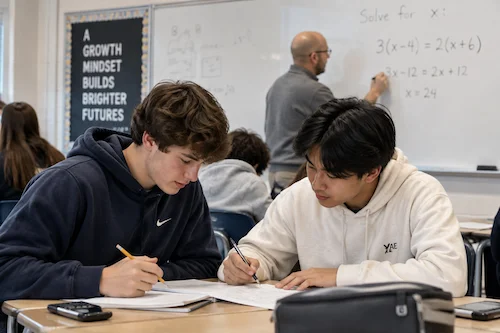
Teaching adult learners about brain function and neuroplasticity can offer valuable insights into reframing stress and enhancing self-efficacy. When students grasp the science behind resilience and understand that their brains can adapt and grow, they are better positioned to manage stress and approach challenges with a growth mindset. This mindset—reinforcing the belief in the possibility of intellectual growth—is a potent asset in both academic and professional settings.
However, the reality of packed curricula and stressful schedules often leads to self-care and stress management being overlooked, despite their importance. Transitioning from mere acknowledgment of the need for self-care to actively integrating stress management into educational frameworks is crucial. Viewing these practices not just as personal responsibilities but as competencies essential for professional growth is vital for fostering an environment where mental and emotional health are prioritized.
Syllabus Resourcing
Each course syllabus can serve as a strong first step by listing mental health resources and explicitly acknowledging the demands of the course. This not only normalizes self-care but encourages students to utilize available support.
Embracing Error
Framing mistakes as learning opportunities can transform student experiences. Instead of viewing errors in a binary light, educators can nurture critical thinking by inviting students to express their thought processes. Asking questions like, “What makes you say that?” fosters an environment where dialogue thrives.
Normalizing Uncertainty
Many careers involve navigating ambiguity. Educators should emphasize the value of knowing how to find answers rather than knowing them immediately. Integrating case-based learning challenges students to engage with multiple scenarios, preparing them for professional unpredictability.
Model Vulnerability
When faculty share their own missteps, it demystifies the learning process and normalizes mistakes as part of growth. This practice reinforces the understanding that errors are not personal failures but opportunities to cultivate resilience.
Physical Grounding Techniques
Presenting students with grounding techniques can alleviate stress. Quick practices such as box breathing or guided body scans can effectively help students manage tension and enhance focus.
- Box breathing (American Heart Association, 2024).
- Body scan (Masterclass, 2022).
- Somatic self-care (Johns Hopkins Medicine, n.d.).
Scan for Signals
Encouraging students to pause and assess their emotional states before high-stakes assessments can enhance their awareness and management of stress levels. Physical grounding techniques can further support this awareness.
Write it Down
Encouraging reflective journaling can help students articulate their stress points and identify effective study methods. Prompts that invite introspection on obstacles and stressors can lead to meaningful discussions around seeking additional support, including professional counseling.
Create Community
Structured peer discussions, where students can share course-related content and emotional experiences, can cultivate a sense of community and mutual support. This strategy helps normalize conversations around stress.
By embedding these simple practices into curricula, educators can instill lifelong resilience in students. Prioritizing self-reflection and the acceptance of mistakes as natural aspects of learning fosters a culture that values mental, emotional, and physical health, ultimately equipping students with the necessary skills to avoid burnout in their professional lives.
Additional Resource from the Author
Lee Lipton’s Mindfulness in Education Toolkit
Call to Action for Readers: Select one strategy from this list and implement it in your classes next week.
Lee Lipton is an experienced clinician and educator with expertise in resilience, mindfulness, and preventive care. She currently teaches at the University of the Pacific and is pursuing a doctorate in health care education.


Discussion
Sign in to join the discussion.