Engaging discussions about the need to transform education highlight the urgency of adapting to modern challenges and opportunities for learners.
The Need for Educational Transformation
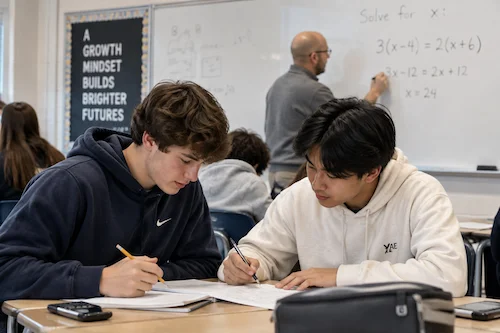
The argument for rethinking our educational systems has never been clearer. A blend of common sense and an acute awareness of evolving global challenges reveals urgent needs for learners both in and outside the classroom. This urgency stems from a combination of existing knowledge and the uncertainties that lie ahead. As technology reshapes industries and social norms, traditional educational frameworks often lag behind, resulting in curricula that may not adequately prepare students for the complexities of modern life.
Consider how many high school graduates enter college or the workforce lacking essential skills like critical thinking or adaptability. These are not just educational gaps; they're issues that could affect future economic mobility and social cohesion. The call for educational transformation isn't merely about tweaking what exists but asking deeper questions: What skills are truly important? How can we engage students more meaningfully? These questions compel educators, policymakers, and families to rethink long-standing assumptions about the purpose of education.
Deep Conversations on School Purpose
In the latest episode of the Modern Learners Podcast, Bruce Dixon and I dive into this topic following a brief hiatus for travel and creative exploration. If you're interested in a thought-provoking dialogue about the aims of education and what today's students truly require, this episode promises valuable insights. It serves as a platform for discussion on redefining the purpose of school—beyond rote memorization and standardized testing. Our conversation reflects a growing sentiment that education should be more about preparing one to navigate a complex world, rather than just accumulating grades.
What does this look like in practice? It can mean fostering environments where collaboration, empathy, and innovation are as valued as math and science. As education evolves, it should incorporate methods that evoke curiosity and promote lifelong learning. Schools could become places where ideas are debated, not just parroted back, and where diversity of thought is celebrated as a fundamental component of the learning process.
Insightful Quotes That Challenge Norms
To pique your interest, we reference a powerful statement from Carol Black:
One of the most peculiar aspects of education in our culture is its authoritarian nature. Students find themselves bound by compulsion and control, unable to move or express themselves without explicit permission from authority figures.
This quote, adapted from her piece "A Thousand Rivers," invites us to reconsider the dynamics of the classroom. It underscores a vital point: education systems, as they currently operate, can stifle creativity and independence in students. In many cases, students are conditioned to seek approval rather than develop their own voices. This doesn't just inhibit personal growth; it risks producing a generation of individuals who may not question societal norms or pursue innovative ideas.
As educators and advocates push for transformative models, the challenge lies in dismantling these entrenched, authoritarian structures. Educators must ask themselves, how can they create an environment that respects student autonomy while guiding them effectively? This shift could lead to classrooms that cultivate not only academic success but also personal and social responsibility.
Adult Guidance Under Scrutiny
We also draw from Yuval Harari's recent work, where he shares a poignant piece of advice for teenagers:
The best advice I can give a 15-year-old is: don’t rely on the adults too much. Most of them mean well, but they just don’t understand the world.
This perspective resonates with many educators and parents alike, as it sheds light on a critical disconnect between generations. Adults, often well-meaning, may not be attuned to the changing realities adolescents face today. With the rapid pace of technological advancement and shifting social mores, it's easy for adults to feel out of touch. Harari's insight suggests a necessary self-reflection for those in guiding positions—how well do they grasp the contemporary landscape that these young people inhabit?
Imagine a scenario where students feel empowered to question the knowledge offered by their teachers. Instead of merely accepting information as presented, they could challenge ideas and engage in discussions that align more closely with their lived experiences. This dynamic shift could redefine educational relationships and transform the classroom into a forum for critical thought, rather than a unidirectional transfer of knowledge.
Your Thoughts Matter
We encourage you to share your perspectives in the comments section. Enjoy listening! These discussions aren't just academic; they have real implications for how we educate the next generation. Your voice contributes to a larger conversation about how we can collectively reshape educational paradigms to better fit an increasingly complex world.
Resources:
Carol Black: Alternatives to Schooling
Carol Black’s Blog
21 Lessons for the 21st Century by Yuval Harari
International Baccalaureate
Modern Learners Podcast #45 – “Watching Our Kids Too Closely” (Discussion on a Carol Black post.)
Future Outlook: Educational Systems in Transition
As the dialogue around educational transformation continues to evolve, the stakes couldn't be higher. The implications of failing to adapt to the needs of learners could lead to a workforce that is ill-prepared to tackle the challenges of tomorrow. It’s essential to recognize that significant change won't happen overnight; education systems are often steeped in tradition and bureaucracy. But that's not an excuse to stall—more than ever, a collective push for modern educational practices is paramount.
As professionals in this field, if you're working in this space, this means advocating for policies and practices that prioritize student agency, creativity, and critical thought. It's not just about what fills the curriculum; it’s about how the curriculum is experienced. The future of education needs an infusion of adaptability and relevance. Disrupting existing models may be uncomfortable, but sometimes that discomfort is necessary for meaningful growth.
What this means for you is that staying informed and actively participating in these conversations is key. The educational reform movement is gaining traction, and every voice counts in shaping a more nuanced discussion around what schools could and should be.

Discussion
Sign in to join the discussion.