Discover how modern learning is evolving beyond traditional methods, emphasizing community engagement and practical application for successful learners.
The landscape of education and professional development is evolving significantly, moving away from traditional structures and toward a more dynamic interplay of community interactions, events, and rich content.
The Shift from Traditional Education Models
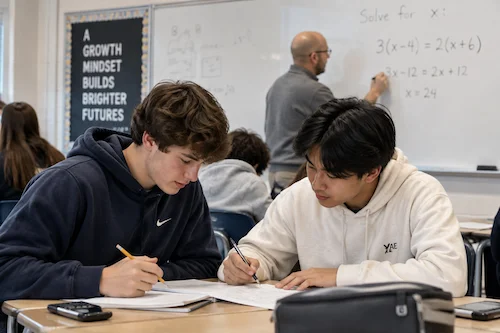
For years, education primarily revolved around formal institutions—schools, colleges, and universities. Classrooms were the standard, and learning was often relegated to textbooks and lectures. Now, this approach is being challenged by a more fluid model that emphasizes personal engagement and communal learning experiences. The rise of online platforms and collaborative tools has driven this transformation, enabling learners to connect with peers, mentors, and industry professionals anytime, anywhere. This shift isn't just about convenience; it's about creating a more relevant and engaging learning environment.
What does this mean for learners today? Well, it signifies more than just an escape from outdated teaching methods. This evolution fosters a culture of continuous learning—one that thrives on real-world interactions and content shared across diverse platforms. Traditional barriers are being dismantled, allowing for unprecedented access to knowledge that was once confined to the classroom's four walls.
The Impact on Learning Experiences
In this episode, we unpack the trajectory of modern learning and how it shapes the success of individuals. Central to our discussion are the interconnected elements that drive effective learning experiences, highlighting an ongoing cycle of learning, applying, reflecting, and sharing insights.
Each of these components is crucial in the learning process. Learning isn't a one-time event anymore; it's cyclical. You learn something new. You apply it. Then you reflect on that application and share your insights. By engaging in this cycle, learners can deeply understand concepts and foster a sense of ownership over their education. This approach encourages not just passive consumption of information but active participation.
From Knowledge Gathering to Practical Application
We emphasize the necessity of not just gathering knowledge but also implementing it in practical contexts, which contributes to a larger dialogue of understanding and wisdom.
This shift significantly alters the role of educators and mentors in the learning process. They become facilitators of discussions rather than just sources of information. The guiding theme in this approach is that insight comes not only through knowledge accumulation but through dialogue and interaction. Students are now expected to navigate their learning paths more independently, leveraging community resources and connections to enrich their understanding.
And this is the part most people overlook: learning isn't just confined to the act of studying; it's about integrating knowledge into daily life, fostering skills that are applicable in real-world scenarios. This integration is where true transformation occurs.
Characteristics of Collaborative Learning
Elements of Modern Learning Environments
- The three essential components of effective learning: community, content, and events.
- How these components must be viewed as interdependent to nurture a thriving learning culture.
- The significance of providing learners with agency in their educational journeys.
- The impact of social networks on collective learning experiences.
- The five phases that characterize collaborative learning.
These components, while distinct, often interact in complex ways that can enhance or hinder the learning experience. For instance, a strong community can motivate learners to engage more deeply with content. Conversely, lack of context can render even the most compelling material ineffective.
Looking Ahead: The Future of Learning
As these models evolve, we must consider the broader implications of these changes on education and professional development. In a world where knowledge is accelerating at an unprecedented pace, ongoing adaptation is essential not just for learners but also for the institutions that serve them.
If you're working in this space, you'll need to account for a variety of learning styles, preferences, and technological advancements. Traditional educational frameworks may not adequately meet these emerging needs, so flexibility and responsiveness must take precedence. They must become willing to dismantle old paradigms in favor of the more interconnected and community-focused approaches that resonate with today's learners.
Ultimately, this transformation could lead to a more engaged and capable workforce, one that thrives on collaboration and innovation. However, success will not come without challenges. Educational institutions will need to reassess their curricula, develop new assessment models, and train educators to embrace these changes.
Resources for Further Exploration
- The Fifth Discipline: The Art & Practice of the Learning Organization, by Peter Senge.
- Social Cognitive Theory: An Agentic Perspective on Human Nature, by Albert Bandura.

Discussion
Sign in to join the discussion.