Educators face new challenges in an AI-dominant world, requiring a shift towards deeper, more personalized teaching that values human connection and growth.
As artificial intelligence permeates education, educators must reassess their approaches to teaching. The emphasis needs to shift from merely using AI tools to fostering an environment where human connection and personalized growth are paramount.
The Changing Role of Educators
Concerns about AI in educational settings have escalated, with many arguing for a more cautious approach. Detractors highlight potential risks—ranging from cognitive impacts on students to the influence of unregulated tech corporations. The consensus seems to advocate for a pause, allowing for deeper consideration of how these tools impact learning.
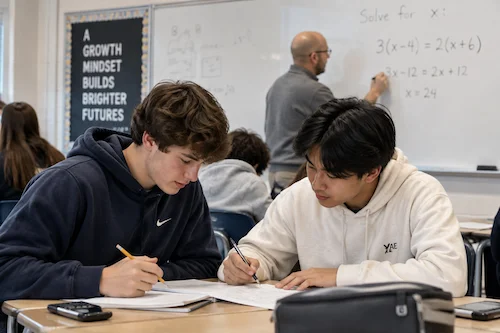
However, amidst this ongoing discourse, a pressing question emerges: How do we teach effectively in a classroom increasingly influenced by AI? This challenge isn't merely about reinstating past teaching methods; it’s about redefining what it means to educate in a landscape where AI technologies are omnipresent.
Embracing AI's Challenges While Prioritizing Humanity
Teaching without AI doesn't equate to ignoring technological advancements. It requires educators to integrate knowledge of AI's capabilities while addressing its potential drawbacks. AI presents appealing benefits, such as personalized learning paths and immediate feedback, yet it’s critical to consider how we can offer these advantages through personal engagement rather than technology alone.
Shaping educational experiences that prioritize individual student needs means recognizing their diverse backgrounds and learning styles. How can we empower students to take charge of their learning? One approach could be to encourage them to set their own goals and pursue projects that resonate with their interests, allowing for deeper engagement.
Methodologies for Effective Teaching
Retreating to traditional methods isn't a viable solution; those practices must be reassessed to ensure they deliver meaningful learning outcomes. We must confront the reality that past techniques often neglected the essential elements of struggle and discovery that are vital for personal and academic growth.
To effectively engage students, we should create opportunities for experimentation within the learning process, allowing students to learn from failure and iterate on their ideas. Smaller assignments can provide low-stakes chances for students to explore concepts without the pressure of high-stakes projects. Breaking down larger tasks into incremental steps can facilitate both understanding and mastery.
Fostering Reflection and Growth
Facilitating a culture of reflection is key. Educators should prioritize their reflective practices and encourage students to engage in self-reflection about their learning journeys. Incorporating reflective assignments can help students recognize the connection between discomfort and growth, emphasizing the importance of navigating challenges in the learning process.
Introducing flexible grading systems that reward effort and process alongside outcomes could motivate students to immerse themselves in their work. Consider asking: To what degree does your grading reflect the effort and learning journey, as opposed to just the final product?
A Thoughtful Approach to AI in Education
Eschewing AI tools entirely is an inadequate approach. Educators should thoughtfully consider how they can promote meaningful learning that prioritizes human elements while balancing the integration of AI where beneficial. Teaching in this new context must emphasize the importance of humanity and connection in educational experiences.
Ultimately, the aim should be to cultivate an educational environment that fosters not just knowledge acquisition but also personal development and meaningful engagement. As we redefine teaching practices in this AI-saturated era, the focus must remain on nurturing the unique capabilities of every student.
In conclusion, teaching without AI means more than just banning technology in the classroom. It’s about harnessing the best of what education has to offer—personal connections, reflective practices, and an adaptive approach to individual needs—to create transformative learning experiences that resonate long after students leave the classroom.
David Ebenbach, an author and educator, explores the intersection of AI and humanities in his writing, providing insights into the evolving role of educators in this era.

Discussion
Sign in to join the discussion.