Explore Bryan Alexander's insights on the evolving narrative of education and how to empower the next generation in an era of change.
Redefining Educational Stories
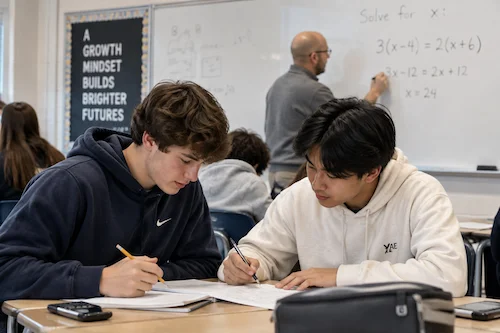
This month, our community is diving into the evolving narrative of education, particularly how we can craft a new story for teaching and learning. The traditional models of education often reflect outdated frameworks, failing to resonate with modern learners. In this week’s podcast, I sit down with Bryan Alexander, a seasoned futurist and author, to discuss how overarching life narratives are shifting and what this means for educators preparing students for the challenges ahead. These conversations are vital as we reconsider not only what students learn but also how they learn. Are we merely filling them with facts, or are we preparing them to navigate a complex, interconnected world?
About Bryan Alexander
I first encountered Bryan around 15 years ago at Middlebury College, and he’s since become an invaluable resource for understanding the implications of societal changes on education. His insights into technology, learning methodologies, and the future of academia provide a compelling backdrop to current educational discussions. Currently, he serves as a senior scholar at Georgetown University, where he conducts graduate seminars in their Learning, Design, and Technology program. His upcoming book, Academia Next: The Futures of Higher Education, published by Johns Hopkins University Press, delves into these critical topics. Alexander's perspective is especially timely as educational institutions grapple with rapid changes driven by technological progress and shifting societal expectations.
Challenges and Opportunities
As highlighted in our conversation, we are entering a period fraught with challenges across various dimensions. The educational ecosystem is under pressure from multiple directions: from evolving job markets to the rise of online learning platforms, and the integration of artificial intelligence in everyday life. Yet, what stands out is Bryan’s steadfast belief in “Generation Z,” the late teens and early twenty-somethings, some of whom are his children. This generation faces unprecedented levels of uncertainty and complexity. Our key challenge now is to equip them to thrive in this transformative era, along with those students who will follow in their footsteps. The optimism surrounding Generation Z stems from their adaptability and inherent understanding of technology. However, do they possess the critical thinking and emotional intelligence skills necessary for future success? That's an open question that lingers in many educational discourses.
Engagement and Resources
At the podcast's conclusion, I share three actionable steps you can take to deepen your understanding and adapt your practices based on Bryan's insights. If you're working in this space, you'll want to consider how you can integrate these ideas into your curriculum and teaching practices. The landscape of education is shifting faster than ever, and it's essential to stay interconnected with ongoing developments. For additional resources related to this episode, visit the Modern Learners Community and explore the “Podcast” section. Engaging with fellow educators and thought leaders can provide invaluable perspectives and tools to better navigate this evolving environment.
Implications for Educators and Institutions
What all this means for you, whether you're an educator, administrator, or involved in curriculum development, is significant. As the educational narrative transforms, there’s a pressing need for institutions to reflect on their roles not just as transmitters of knowledge but as enablers of skills that future generations require. This shift in narrative demands an iterative approach — one that prioritizes flexibility and a growth mindset. Educators must focus on fostering environments where students can question, explore, and innovate.
However, this transition won't happen overnight. There are systemic challenges that schools and universities face, including budgetary constraints and resistance to change. Institutions often cling to the tried-and-true methods, but this strategy must evolve. The future may well depend on a radical reimagining of educational models. It’s not just about curriculum; it’s about culture and commitment. The infusion of technological tools should complement, rather than replace, solid pedagogical practices.
And yet, the conversation about educational reform must also address equity issues. With technology increasingly dictating the terms of engagement, access becomes a significant concern. How do we ensure that all students, regardless of background, have the tools they need to succeed? It’s an oversight that can’t be ignored. (And this is the part most people overlook.)
As educational narratives unfold, there’s much to consider. While optimistic about the adaptability of Generation Z, we should proceed with caution. The narratives that emerge from conversations like those with Bryan will likely influence the design of educational systems for years to come. Institutions that recognize and embrace this change will not only survive but thrive in the future educational sphere.

Discussion
Sign in to join the discussion.