Sylvia Martinez joins the podcast to discuss student agency in learning environments and the implications of power dynamics in education.
The Complexities of Student Agency
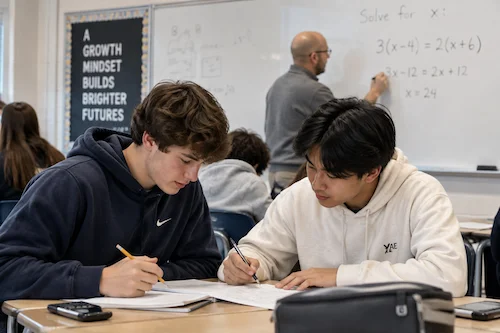
In recent discussions about education, the dynamics of power and agency in learning environments have emerged as pivotal themes. The concept of student agency isn't just a buzzword; it reflects deeper issues within educational systems across the globe. This week, we focus on these topics, particularly spotlighting the inherent tension surrounding student choice in education. In compulsory systems—where many students feel like they’re merely ticking boxes—there’s often a stark contrast between what is taught and what students are genuinely curious about. This lack of agency can lead to disengagement and apathy, ultimately affecting educational outcomes.
When students have limited control over their learning experiences, it can stifle creativity and independent thinking. The implications extend beyond individual classrooms; they affect entire educational systems. How can schools nurture curiosity and promote authentic learning experiences if the curriculum remains rigid and prescriptive? Those in education need to confront these challenges directly, considering how much power they’re willing to cede to their students. That’s not an easy conversation to have.
Insights from Sylvia Martinez
Joining me for this podcast is Sylvia Martinez, a thought leader in the educational sector and co-author of the influential book Invent to Learn. Recognized for her extensive work in the maker movement and educational design, Sylvia brings a wealth of experience from her advisory role with the Stanford University FabLearn Fellows. This position has positioned her as an active force in shaping a new narrative around education. Her background in educational gaming adds another layer, underscoring her focus on engagement and interactivity in learning. Moreover, her early contributions to GPS navigation systems highlight her innovative spirit and a forward-thinking approach, cementing her as a pioneer in applying technology to practical educational challenges.
In our conversation, Sylvia shares her insights on the importance of constructive failure in learning environments. It's a perspective that often gets overshadowed by traditional metrics of success; many educators are still preoccupied with test scores and standardized assessments. But we can’t ignore the value of experimentation in the learning process. That kind of exploration allows students to take risks—necessary for genuine learning. Sylvia's work continues to challenge the status quo, advocating for educational practices that reflect real-world experiences and prepare students not just academically, but also socially and emotionally.
Empowerment and Cultural Shifts
What I admire most about Sylvia is her profound commitment to fostering environments where both teachers and students can navigate learning on their terms. Our conversation delves into the power dynamics within classrooms and the cultural shifts necessary for authentic educational reform. Traditional education often mirrors hierarchical structures found in workplaces, where power is concentrated at the top. In turn, this limits opportunities for students to express their opinions or pursue their interests.
The complexities surrounding empowerment highlight how significant cultural changes are needed in educational settings. This isn’t merely a question of introducing new technology or teaching methods; it requires a fundamental rethinking of what education should be. Sylvia emphasizes the need for collaboration among educators, students, and even parents to create a culture that genuinely values student voice. If you’re working in this space, consider these dynamics: how does your role either contribute to or undermine student agency? Are there systems in place that allow students to shape their learning experiences, or are they simply passive recipients of information?
And here's the part most people overlook: empowerment doesn’t just benefit students. Teachers also thrive in environments where they have more agency. When both sides of the educational equation—teachers and students—feel empowered, it can lead to a richer, more dynamic learning community. This transformation, however, requires risk and vulnerability from everyone involved. Yet, if executed properly, the benefits for educational outcomes can be tremendously impactful.
Implications and Future Outlook
The conversations surrounding student agency, spearheaded by leaders like Sylvia, are not just timely; they reflect a growing awareness of the need for reform in educational landscapes. As schools grapple with outdated models, the implications for policy and practice are immense. Educational institutions must ask themselves: Are we preparing students not just for tests but for life? The shift towards more empowered student learning can drive academic success, but it's still in its infancy in many areas.
What this means for you, whether you're an educator, a parent, or a policymaker, is that changes in the approach to student learning are crucial. Addressing the imbalance of power isn’t trivial. It’s a nuanced journey that demands ongoing dialogue, experimentation, and, crucially, a willingness to question long-held beliefs about how best to educate the next generation.
If you find our discussion enriching, consider leaving a review and rating on iTunes. Your support helps us reach more listeners interested in these vital conversations. For additional resources related to this podcast, visit the “Podcasts” section in the Modern Learners Community.

Discussion
Sign in to join the discussion.